 Translate
Doi Suthep-Pui National Park
About Doi Suthep-Pui National Park
Introduction: The Sacred Mountain & Sacred Wilderness of Chiang Mai
Rising majestically directly west of Chiang Mai's historic Old City, Doi Suthep-Pui National Park is one of Northern Thailand's most revered, accessible, and ecologically vital protected areas. Established in 1981 as Thailand's 24th national park, this 261-square-kilometer reserve encompasses three main mountain peaks: Doi Suthep, Doi Buak Ha, and Doi Pui—the highest peak standing at 1,685 meters above sea level.
Serving as the green lungs of Chiang Mai, the park offers a seamless blend of sacred Buddhist pilgrimage heritage, royal winter gardens, Hmong hill-tribe culture, evergreen cloud forests, cascading waterfalls, and sweeping panoramic vistas over the Chiang Mai valley.
Key Attractions & Mountain Landmarks
Doi Suthep-Pui National Park features some of Northern Thailand's most celebrated cultural and natural monuments along the scenic winding Route 1004 (Suthep Road):
1. Wat Phra That Doi Suthep
The spiritual heart of Chiang Mai. Founded in 1383 during the Lanna Kingdom, this sacred temple crowns the mountain peak at 1,073 meters. Visitors ascend a famous 306-step Naga serpentine staircase (or take a cable car) to reach a glittering 24-meter golden chedi enshrining a holy relic of the Lord Buddha, offering panoramic views over the city below.
2. Bhubing Royal Palace & Gardens
Built in 1961 as a royal winter residence for King Bhumibol Adulyadej (Rama IX) and Queen Sirikit. Situated further up the mountain at 1,300 meters, the palace compound is famous for its cool high-altitude climate, manicured rose gardens, temperate flower displays, and teakwood royal chalets.
3. Khun Chang Kian (Wild Himalayan Cherry Blossom Village)
Located near Doi Pui's peak, this highland agricultural research station becomes Thailand's premier winter attraction in January when thousands of wild Himalayan cherry trees (Thai Sakura) bloom into a vibrant pink sea across mountain slopes.
4. Hmong Hill-Tribe Village (Baan Doi Pui)
A traditional Hmong ethnic village set among pine forests, offering insights into high-altitude hill-tribe culture, handwoven tribal embroidery, tea and coffee plantations, and scenic flower gardens.
5. Mountain Waterfalls & Nature Trails
The park's lower slopes feature popular multi-tiered jungle cascades including **Huay Kaew Waterfall**, **Wang Bua Ban**, and **Mon Tha Than Waterfall**, alongside historic hiking paths like the famous **Monk's Trail (Wat Pha Lat)**.
Key Highlights & Attraction Summary
- Wat Phra That Doi Suthep: Sacred 14th-century temple featuring a golden chedi and 306 Naga steps.
- Monk's Trail to Wat Pha Lat: Serene forest hiking path leading to a hidden jungle temple.
- Bhubing Royal Palace: High-altitude royal winter gardens displaying rare roses and temperate flora.
- Doi Pui Summit & Hmong Village: 1,685m peak featuring pine forests, Hmong culture, and winter cherry blossoms.
How to Reach Doi Suthep-Pui National Park
Doi Suthep-Pui is located right on the western edge of Chiang Mai city, making transport fast and convenient.
By Red Songthaew (Shared Local Trucks - Most Popular)
Shared red songthaews depart continuously from the front of **Chiang Mai University (Huay Kaew Road)** or **Chang Phuak Gate**. Fixed fares reach Wat Phra That Doi Suthep (approx. 50–60 THB per person), Bhubing Palace (80 THB), and Doi Pui Hmong Village (100 THB) in 20 to 35 minutes.
By Rented Scooter / Private Vehicle
Driving up Route 1004 (Suthep Road) by scooter or car allows complete freedom to explore waterfalls, trailheads, and viewpoints at your own pace. The road is well-paved, though cautious driving is recommended around steep mountain curves.
Best Time to Visit
Elevation creates a significantly cooler climate than the lowland city below.
Best Season: Cool Dry Season (November to February)
Brings clear, sunny skies, pleasant mountain temperatures (15°C–24°C, dropping to 10°C near Doi Pui summit), and blooming pink **Wild Himalayan Cherry Blossoms** in January.
Best Time of Day (Early Morning)
Arrive at Wat Phra That Doi Suthep between **06:30 AM and 08:30 AM** to experience morning monk chanting, cool mist over the city valley, and quiet courtyards before tour buses arrive.
Top Nearby Attractions
1. Chiang Mai Zoo & Snowtown (At mountain base)
A 200-acre hillside zoo featuring giant panda exhibits, an aquarium, and a snow dome located right at the entrance of the national park.
2. Wat Umong Forest Temple (5 km south)
A peaceful 14th-century Lanna forest monastery famous for ancient underground tunnels and woodland lakes.
3. Nimmanheiman Road & Maya Mall (6 km east)
Chiang Mai's trendy modern district filled with hip cafes, art galleries, craft boutiques, and rooftop bars.
Things to Do at Doi Suthep-Pui
- Hike the Monk's Trail to Wat Pha Lat: Walk through lush rainforest along a historic stone trail marked by monk robe wraps.
- Climb the Naga Stairs to Doi Suthep Temple: Walk up the 306 steps to view the golden chedi and Chiang Mai city skyline.
- Explore Bhubing Palace Rose Gardens: Stroll through cool royal flower gardens and view traditional Lanna chalets.
- Visit Baan Doi Pui Hmong Village: Try local coffee, rent traditional tribal attire, and view terraced mountain gardens.
Local Food and Culinary Delights
The mountain features authentic Northern Thai street food stalls near temple and village entrances.
Must-Try Culinary Specialties
- Northern Thai Khao Soi: Rich, fragrant coconut curry noodle soup served with chicken, crispy egg noodles, and lime.
- Sai Oua (Northern Thai Pork Sausage): Grilled pork sausage seasoned with lemongrass, galangal, kaffir lime, and chili.
- Highland Arabica Coffee: Freshly roasted, single-origin drip coffee cultivated by local Hmong farmers in Doi Pui.
Where to Stay: Accommodation Options
Visitors stay in central Chiang Mai city or high-altitude mountain resorts.
City & Foothill Hotels ($25 – $180 USD / 800 – 6,000 THB per night)
- Four Seasons Resort Chiang Mai / Veranda High Resort / Kantary Hills Nimman / Yesterday Hotel: Boutique and luxury hotels situated near the base of the mountain offering quick access to the park entrance.
National Park Camping ($8 – $25 USD / 250 – 800 THB)
- Doi Pui Campsite near the summit offers tent rentals, sleeping bags, and basic park cabins surrounded by pine forest.
Budget Travel Guide
- Temple Admission Fee: Entry to Wat Phra That Doi Suthep costs **30 THB** for foreign adults (cable car costs an extra 20 THB).
- National Park Entry Fee: The general park has no main gate fee, but specific zones like **Mon Tha Than Waterfall** cost **100 THB** for foreign adults.
- Bhubing Palace Ticket: Entrance to Bhubing Royal Palace gardens is **50 THB** per person.
Sample 1-Day Itinerary
- 06:30 AM: Begin hiking the **Monk's Trail** from Chiang Mai University up to hidden **Wat Pha Lat**.
- 08:00 AM: Continue up the mountain by red songthaew to **Wat Phra That Doi Suthep**; explore the golden chedi and viewpoint.
- 10:30 AM: Travel higher up the peak to tour the rose gardens at **Bhubing Royal Palace**.
- 12:30 PM: Arrive at **Baan Doi Pui Hmong Village** for lunch, locally grown arabica coffee, and market shopping.
- 02:30 PM: Take a quiet nature walk around the **Doi Pui Summit Campsite** pine forest.
- 04:30 PM: Stop at **Huay Kaew Waterfall** at the mountain base before returning to the city for dinner.
Essential Rules and Temple Etiquette
- Strict Temple Dress Code: Wat Phra That Doi Suthep and Wat Pha Lat are sacred active monasteries—shoulders and knees must be covered (no tank tops or short shorts).
- Bhubing Palace Dress Code: Modest attire is strictly enforced (long pants/skirts, no sleeveless tops or ripped jeans).
- Mountain Drive Caution: Route 1004 has sharp curves and steep inclines—use low gears when descending on scooters or motorbikes.
Frequently Asked Questions (FAQs)
1. Where is Doi Suthep-Pui National Park located?
It is located directly west of Chiang Mai Old City in Chiang Mai Province, Northern Thailand.
2. What is the most famous site inside the national park?
**Wat Phra That Doi Suthep**, a 14th-century golden temple perched atop the mountain overlooking Chiang Mai.
3. How do you get to Doi Suthep from Chiang Mai Old City?
Take a 20 to 30-minute shared red songthaew from Chiang Mai University or Chang Phuak Gate for 50–60 THB, or drive via Suthep Road.
4. What is the Monk's Trail?
A famous forest hiking trail (Trekking Path to Wat Pha Lat) that winds through the jungle up to the hidden river temple of Wat Pha Lat.
5. How much is the entrance fee for Doi Suthep Temple?
The entrance fee is **30 THB for foreign adults** (plus 20 THB for the optional funicular cable car).
6. How tall is Doi Pui mountain?
Doi Pui is the highest peak in the park, standing at **1,685 meters (5,528 feet)** above sea level.
7. What is Bhubing Palace?
A royal winter residence famous for its cool climate, teakwood chalets, and extensive rose gardens.
8. When do cherry blossoms bloom in Doi Suthep-Pui?
Wild Himalayan Cherry Blossoms (Thai Sakura) bloom across Khun Chang Kian in **January**.
9. What local food should I try?
Northern Thai *Khao Soi* curry noodles, *Sai Oua* pork sausage, and locally grown Doi Pui arabica coffee.
10. What is the best season to visit?
The cool dry season from **November to February** offers optimal comfortable weather, clear city views, and blooming flowers.
Conclusion
Doi Suthep-Pui National Park stands out as Northern Thailand's ultimate mountain sanctuary, where golden Lanna temple heritage at Doi Suthep, hidden forest trails to Wat Pha Lat, royal rose gardens at Bhubing Palace, Hmong hill-tribe villages, and local Khao Soi cuisine converge in Chiang Mai. From hiking the Monk's Trail and climbing the 306 Naga steps to sipping highland arabica coffee and taking in city skyline views, Doi Suthep-Pui delivers an unmissable cultural and natural adventure. Plan your trip, observe temple dress etiquette, and explore Doi Suthep-Pui National Park!
Photo Gallery
What you'll experience
- 1
Hiking forest trails
- 2
Waterfall visits
- 3
City viewpoints
- 4
Nature photography
Nearby Destinations
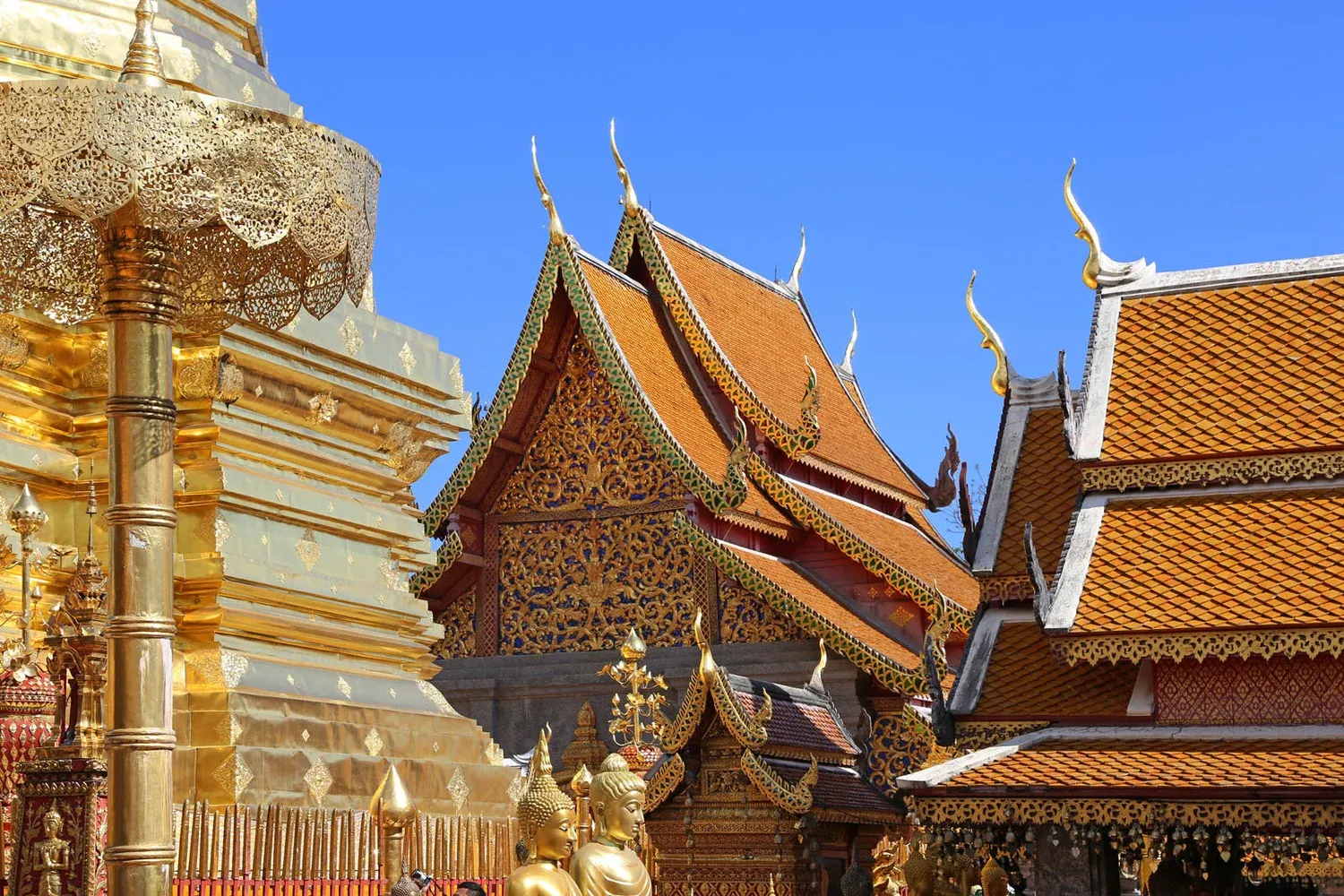
Wat Phra That Doi Suthep
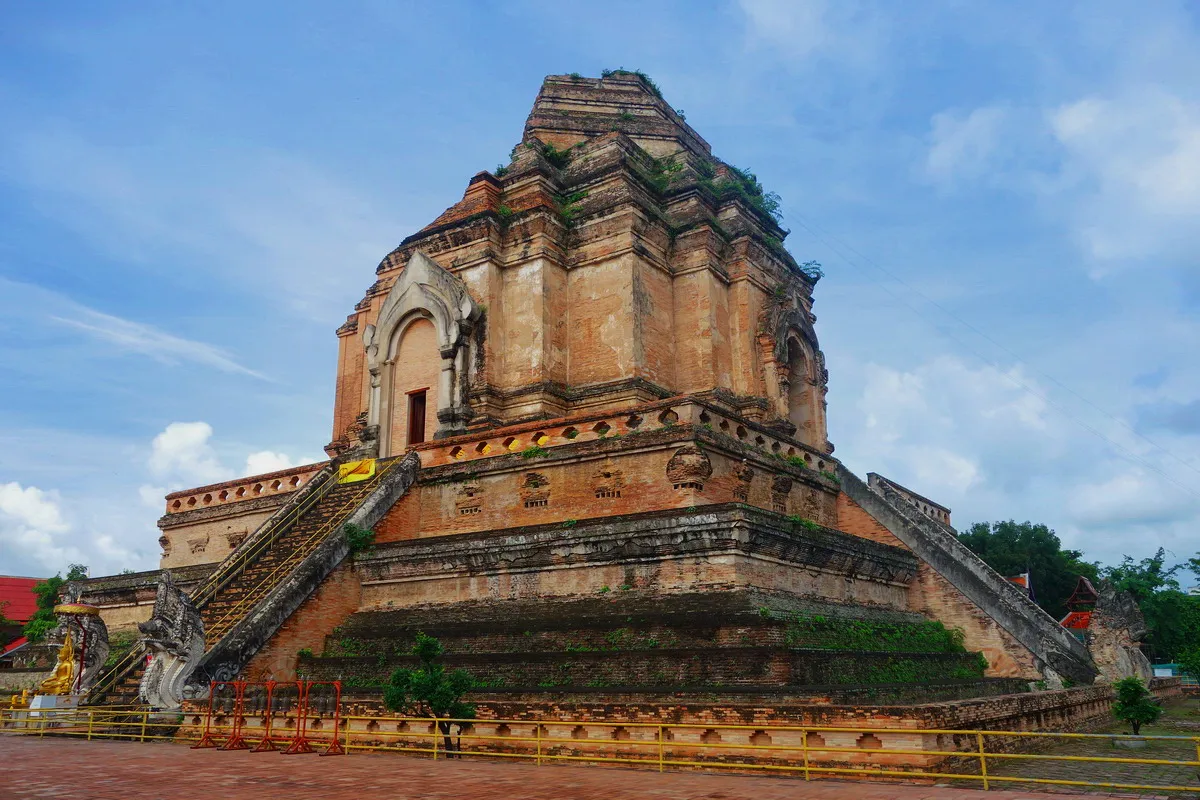
Wat Chedi Luang
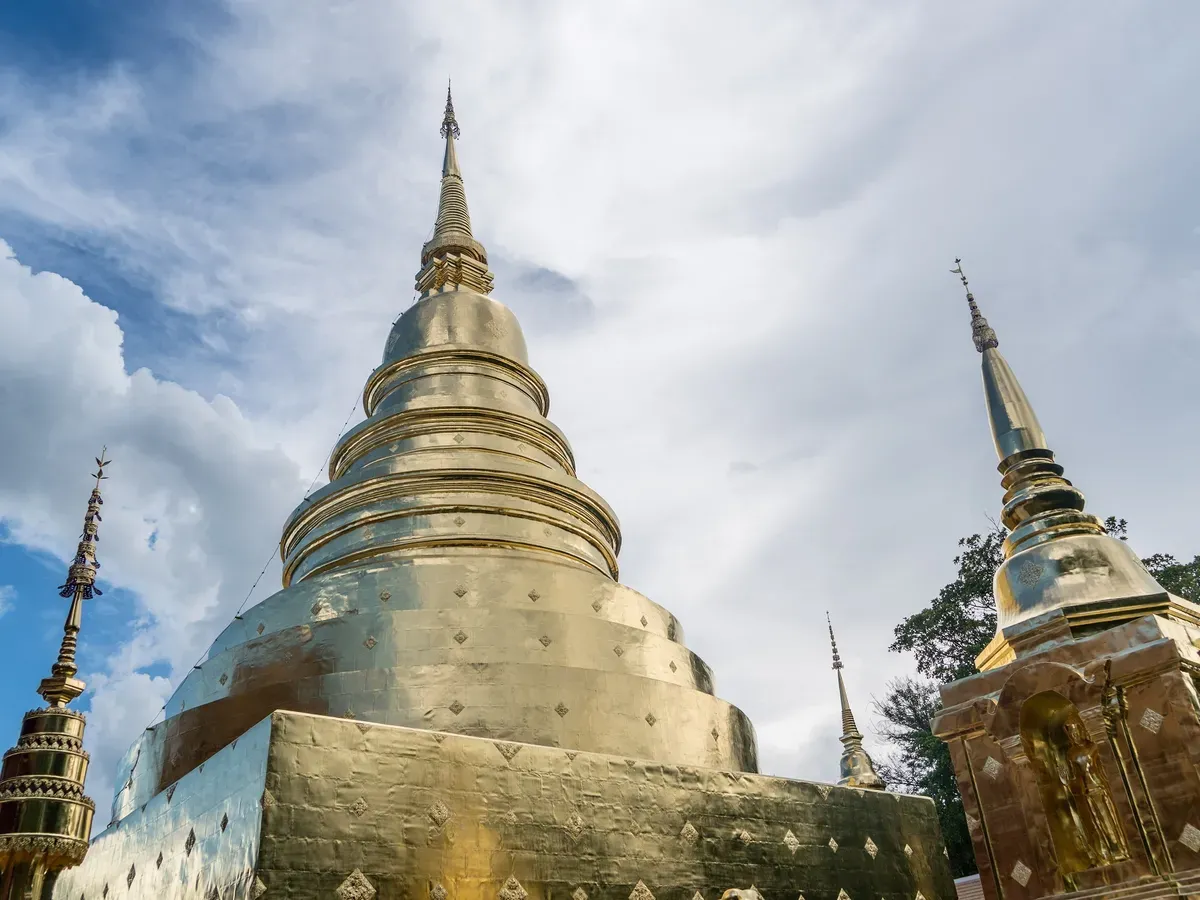
Wat Phra Singh
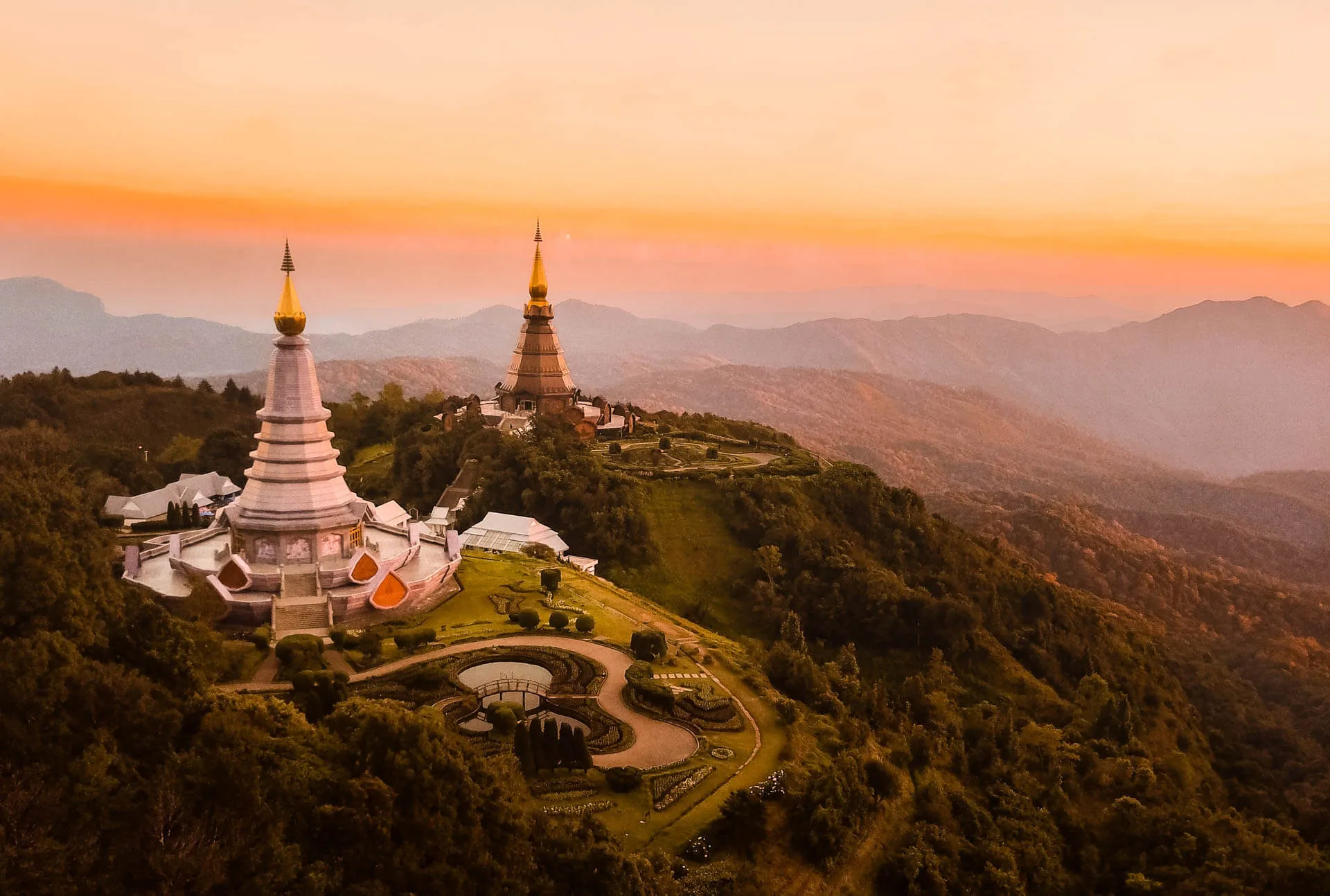
Doi Inthanon
These destinations are in close proximity to Doi Suthep-Pui National Park and can be visited on the same trip.
Visit Information
Opening Hours
Entry Fee
Best Time to Visit
November to February
Location
Chiang Mai, Thailand
Contact
For inquiries: N/A
Best Time to Visit
Recommended: November to February
Jan
32°/21°C
peakFeb
33°/22°C
highMar
35°/24°C
highApr
36°/25°C
moderateMay
34°/25°C
lowJun
33°/25°C
lowJul
33°/25°C
lowAug
33°/25°C
lowSep
32°/24°C
lowOct
32°/24°C
moderateNov
31°/23°C
highDec
31°/21°C
peakDoi Suthep-Pui National Park - Frequently Asked Questions
More wildlife Spots & Nearby Attractions
Elephant Nature Park
Chiang Mai, Thailand
Khao Yai National Park
Nakhon Ratchasima, Thailand
Erawan National Park
Kanchanaburi, Thailand
Doi Inthanon National Park
Chiang Mai, Thailand
Similan Islands
Phang Nga, Thailand
Khao Sok National Park
Surat Thani, Thailand
Wat Phra That Doi Suthep — Chiang Mai
Chiang Mai, Thailand
Wat Chedi Luang — Chiang Mai
Chiang Mai, Thailand
Wat Phra Singh — Chiang Mai
Chiang Mai, Thailand
Doi Inthanon — Chiang Mai
Chiang Mai, Thailand
Doi Ang Khang — Chiang Mai
Chiang Mai, Thailand
Doi Pha Hom Pok — Chiang Mai
Chiang Mai, Thailand
Discover More About Chiang Mai
Top Picks
Also Worth Reading
Plan Your Trip Around Doi Suthep-Pui National Park
Best Time to Visit Chiang Mai
Thailand Trip Ideas
Share this destination:
