 Translate
Elephant Nature Park
About Elephant Nature Park
Introduction to Elephant Nature Park
Tucked into the lush Mae Taeng Valley roughly 60 kilometers north of Chiang Mai city, Elephant Nature Park is widely regarded as the pioneer of ethical elephant tourism in Thailand — a rescue and rehabilitation sanctuary built on a simple but once-radical premise: no riding, no shows, no bull hooks, and no forced interactions of any kind. Founded by the Thai conservationist Sangduen Lek Chailert, the park is now home to dozens of rescued elephants, alongside hundreds of rescued dogs, cats, and water buffalo, all living out their lives on their own terms within a sprawling, forested reserve.
For travelers who have heard stories about the darker side of Southeast Asian elephant tourism — chains, bull hooks, forced performances — Elephant Nature Park offers something genuinely different: the chance to observe, feed, and walk alongside elephants without asking anything of them in return. It is often described as the model that an entire generation of ethical sanctuaries across Chiang Mai has since tried to emulate, and remains, by most accounts, one of the most credible and well-established of them. Whether you're an animal lover, a first-time visitor to Thailand, or simply looking for a meaningful day away from the temples and night markets of central Chiang Mai, a visit here tends to leave a lasting impression.
This guide covers the park's history and founding story, how to reach it from Chiang Mai, the best time to visit, its programs and daily rhythms, food, accommodation, a realistic itinerary, nearby places, practical travel tips, and answers to the questions travelers ask most often before visiting.
Why This Park Matters Within Thailand's Elephant Tourism Industry
Elephant tourism has long been one of Thailand's most controversial travel topics, with a well-documented history of elephants being subjected to abusive training methods and exhausting, physically damaging work in service of tourist entertainment. Elephant Nature Park emerged directly out of a rejection of that model, and its long-term commercial success — proving that visitors would happily pay to simply observe elephants rather than ride them — has had a measurable ripple effect across the region's broader tourism economy, even as questions remain about how consistently that same standard is upheld at the many newer operations that followed in its wake.
History of Elephant Nature Park
Elephant Nature Park's story is inseparable from the story of its founder, whose personal journey from a small hill-tribe village to becoming one of the most internationally recognized voices in elephant welfare shaped nearly every aspect of how the park operates today. Understanding that personal history helps explain why the sanctuary is built around such an uncompromising ethical model rather than a more conventional, revenue-first tourism approach.
Lek Chailert's Early Life
Sangduen Lek Chailert was born in 1961 in Baan Lao, a small mountain village roughly two hours north of Chiang Mai. Her grandfather was a traditional healer who treated not only people but also injured animals brought to him by villagers, and Lek grew up accompanying him on these healing visits, developing an early conviction that all animals deserved to live well. As a teenager, she witnessed a mahout brutally stabbing a screaming bull elephant to force it to work in illegal logging, an experience she has cited as a turning point that set the course for the rest of her life's work. She went on to study at Chiang Mai University before dedicating herself full-time to elephant welfare work.
From Village Rescues to a Permanent Sanctuary
Through the 1980s and 1990s, Lek began providing informal medical aid to elephants in remote villages across Northern Thailand, gradually building a reputation as someone willing to intervene on behalf of animals that others had written off. By the late 1990s, this grassroots rescue work had evolved into a more formal operation: in 1998, in partnership with the Green Tours organization, she helped establish what would become Elephant Nature Park on land she partly owned and partly leased from the Thai government. In its earliest incarnation, the site still featured elephant rides and performance shows, reflecting the conventions of Thai elephant tourism at the time — practices Lek was already working to phase out even as the park took shape. By the early 2000s, the park had transitioned fully into a rescue-only model, and its permanent home in the Mae Taeng Valley became a dedicated, performance-free sanctuary for elephants rescued from logging camps, street begging, tourist trekking operations, and abuse in neighboring Myanmar, a shift that fundamentally redefined what the park stood for.
Building an International Movement
As Elephant Nature Park grew, so did Lek's broader advocacy work. She went on to found the Save Elephant Foundation, an umbrella organization supporting elephant welfare projects across Thailand and beyond, including Elephant Highlands in the northern mountains, the Erawan Elephant Retirement Park in western Thailand (opened in 2013), and additional projects in Surin province and Cambodia. Her advocacy has drawn significant international recognition over the years, including being named a CNN Hero and receiving France's Legion of Honour, presented personally by President Emmanuel Macron during an official visit to Thailand, cementing her status as one of the most internationally recognized figures in global animal welfare advocacy.
A Model That Reshaped an Industry
Elephant Nature Park's success proved something the Thai tourism industry hadn't fully believed: that travelers would show up in large numbers for an elephant experience built entirely around observation and care rather than riding and performance. This demonstration effect helped spark a broader shift across Chiang Mai's elephant tourism sector, with numerous other camps rebranding or restructuring themselves as sanctuaries in the years since, a development Lek and her team view with mixed feelings, given that not all of these newer operations maintain the same standards of care, and some critics argue the sanctuary label has itself become diluted through overuse by operations that have made only cosmetic changes to their practices.
Recognition and Ongoing Work
The park has continued to expand its mission well beyond elephants alone, running a dedicated Elephant Food Bank, a mobile veterinary unit known as the Jumbo Express, a Farm to Herd initiative supporting sustainable food sourcing, and rainforest restoration programs. In 2022, the park received the Animal Welfare Award at the Responsible Thailand Awards, formal recognition of a model that began, in Lek's own telling, with the simple goal of rescuing a single abused bull elephant decades earlier, an origin story she continues to share with visitors and international media as a reminder of how far the organization has grown from its modest beginnings.
How to Reach Elephant Nature Park
Elephant Nature Park's location in the Mae Taeng Valley, roughly an hour to ninety minutes from central Chiang Mai, makes it one of the more accessible major nature attractions in Northern Thailand, and the vast majority of visitors arrive via organized transport rather than independent travel, which the park itself strongly recommends given the sanctuary's remote, unmarked location.
By Air
- Chiang Mai International Airport (CNX) is the nearest airport, with strong domestic connectivity from Bangkok and other Thai cities, as well as international routes from several Southeast Asian and East Asian hubs relevant to travelers connecting from the US.
- Most visitors book their Elephant Nature Park program in advance and are collected via hotel pickup in Chiang Mai city rather than arranging separate transport from the airport.
By Road
- The park sits roughly 54-60 km from Chiang Mai city, typically a 60-90 minute drive depending on traffic and time of day.
- Government buses run toward the Mae Taeng area at frequent intervals for budget travelers arranging their own transport, though most visitors find the included hotel pickup offered with nearly all official park programs far more convenient.
- Self-drive is possible but not necessary or particularly advantageous, since nearly every program includes round-trip transport from Chiang Mai city hotels as standard.
For US-Based Travelers
Travelers coming from the US typically fly into Bangkok and connect onward to Chiang Mai, either by a short domestic flight or an overnight train, before booking their Elephant Nature Park visit through the park's official website or a reputable local tour operator. Given the park's popularity, booking your chosen program well ahead of your Chiang Mai dates, particularly for overnight or full-day visits, is strongly advisable.
Best Time to Visit Elephant Nature Park
Ideal Months: November to February
Northern Thailand's cool season, running roughly from November through February, offers the most comfortable temperatures and clearer skies for a day spent largely outdoors observing and walking with the elephant herds, making it the preferred window for most first-time visitors planning their Chiang Mai trip specifically around this experience.
Hot and Rainy Seasons
March through May brings Northern Thailand's hottest, driest conditions, along with the regional haze and burning season that can affect air quality around Chiang Mai; the park remains open and operational, but conditions can be less comfortable for extended outdoor time. The rainy season, roughly June through October, brings the valley to its greenest and lushest, and while some activities may be adjusted around heavier downpours, many visitors find this a beautiful, less crowded time to visit, with the added benefit of noticeably lower hotel prices back in Chiang Mai city.
Year-Round Operation
Unlike many seasonal attractions, Elephant Nature Park operates 365 days a year, meaning there's no single closed season to plan around — the choice of timing comes down mainly to weather preference and crowd levels rather than availability, giving travelers considerable flexibility when fitting a visit into a broader Thailand itinerary.
Program Timing
Half-day morning programs typically begin with hotel pickup around 7:15-8:00 AM, while half-day afternoon programs are especially popular for their highlight: watching the full elephant herd walk down to the river as they return to their night shelter, one of the most photographed moments the park offers, and a genuinely memorable way to end a day.
Top Attractions and Experiences
Unlike a conventional wildlife attraction built around scheduled shows, Elephant Nature Park's core appeal lies in observing rescued elephants living as naturally as their individual histories and injuries allow, and understanding what that actually looks like day to day helps set realistic expectations for a visit.
The Rescued Elephant Herds
The park is home to elephants rescued from logging camps, street begging, tourist trekking operations, and circuses, many bearing visible physical or psychological scars from their earlier lives. Visitors typically spend their visit observing, feeding, and walking near these herds as they interact within their own social groups, a markedly different experience from the choreographed shows found at conventional elephant camps, and one that rewards patience and quiet observation over any expectation of a scripted performance.
The Evening River Walk
One of the park's signature moments takes place during the half-day afternoon program, when the full elephant herd is walked down through the valley to the river as they make their way back toward their night shelter — a scene many visitors describe as the most memorable single moment of their entire visit, and one that photographers in particular often plan their entire program timing around.
Feeding Sessions
Structured feeding sessions, using fruit and other approved food prepared by park staff, offer visitors a close but appropriately supervised way to interact with individual elephants, guided throughout by staff familiar with each animal's specific needs, temperament, and history, ensuring these moments remain calm and low-stress for the elephants rather than overwhelming or chaotic.
Individual Elephant Stories
Nearly every elephant at the park has a distinct, often difficult backstory, and park guides typically share these individual histories as part of the visit — from elephants blinded in accidents to orphans separated from their mothers at a young age. Hearing these stories alongside seeing the animals themselves is central to what makes a visit here feel different from typical wildlife tourism, transforming what could otherwise be a passive viewing experience into something closer to meeting individuals with real, remembered histories.
The Rescued Dogs, Cats, and Buffalo
Beyond its namesake elephants, the park is also home to hundreds of rescued dogs (including many saved from the 2011 Bangkok floods), along with cats and water buffalo, reflecting the broader animal-welfare mission that has grown alongside the park's elephant conservation work.
Understanding the Park's Welfare Model
For visitors unfamiliar with the broader debate around ethical elephant tourism, a little background on what actually distinguishes a genuine rescue sanctuary from conventional elephant tourism adds real context to a visit.
Why No Riding Matters
Training an elephant to accept riding, particularly with a heavy howdah seat, traditionally involves a painful and psychologically damaging process known as the crush or phajaan, historically used to break a young elephant's spirit and instill fear-based obedience through pain and the use of bull hooks. Elephant Nature Park's founding rejection of riding and performance is a direct response to this practice, and the absence of any bull hooks or forced physical control on-site is central to what distinguishes it from conventional elephant camps, even as tourism operators across the region have increasingly adopted the language of ethics without necessarily changing their underlying training and handling methods.
Rehabilitation Rather Than Release
Because Thailand no longer has sufficient protected wild forest habitat to support the release of rescued captive elephants, animals brought to the park generally live out the remainder of their lives there rather than eventually returning to the wild. This means the sanctuary functions less as a temporary rehabilitation stop and more as a permanent retirement home, with veterinary care, social integration into compatible herds, and daily enrichment designed around each individual elephant's specific physical and psychological needs, a long-term commitment that distinguishes genuine sanctuaries from operations offering only superficial welfare improvements.
Elephants Living in Family Groups
Where possible, the park works to integrate rescued elephants into stable social herds, since elephants are highly social animals that form deep, long-term bonds in the wild. Watching these bonds develop — an older female adopting a traumatized orphan, for instance — is often cited by visitors as one of the more emotionally powerful aspects of a visit, illustrating a level of social recovery that simply isn't possible for elephants kept isolated or chained, and reinforcing why the park prioritizes herd integration as a core part of its rehabilitation philosophy rather than treating each animal in isolation.
Programs and Visit Options
Elephant Nature Park offers a range of program lengths to suit different schedules and levels of engagement, all built around the same core no-riding, no-performance philosophy, and choosing the right program is largely a question of how much time and immersion you're looking for, and how deeply you'd like to connect with the sanctuary's day-to-day rhythms.
Half-Day Morning and Afternoon Programs
The half-day morning program includes hotel pickup, guided walks through the sanctuary, and elephant feeding sessions accompanied by staff-led rescue stories. The half-day afternoon program centers on the celebrated evening herd walk to the river, offering some of the most scenic and photogenic moments available at the park, and either option works well for travelers with only a single free day to dedicate to the visit.
Full-Day Visits
Full-day programs combine elements of both morning and afternoon visits, giving travelers with more time available the fullest possible sense of a typical day in the life of the sanctuary and its resident herds, without needing to choose between the two shorter half-day options.
Overnight Stays
The two-day, one-night overnight program includes accommodation and meals at the sanctuary itself, along with an orientation talk, close observation of the herd's social dynamics, and a relaxed, unscheduled pace built around simply being present with the elephants rather than following a tight itinerary, an approach many repeat visitors describe as the most rewarding way to experience the park beyond a single structured day.
Weekly Volunteer Programs
For travelers wanting a deeper level of involvement, week-long volunteer stays are available, offering hands-on participation in the park's daily rescue and care operations alongside its regular staff, a meaningful option for those seeking more than a passive visitor experience.
Hidden Gems and Lesser-Known Aspects
Elephant Highlands
A separate, affiliated project set high in the northern mountains, Elephant Highlands offers a full-day visit built around jungle walks with rescued elephants in a dramatically different mountain setting from the main Mae Taeng Valley park, appealing to travelers looking for a quieter, more remote alternative with a similar ethical model, and the drive itself, roughly 90 minutes through scenic highland terrain, is often cited as part of the appeal.
The Rainforest Restoration Program
Beyond direct animal care, the park runs an active rainforest restoration initiative, working to rebuild degraded forest habitat in the surrounding valley — a less visible but significant part of the organization's broader conservation mission that most day visitors don't encounter directly but that underpins the sanctuary's long-term sustainability, and reflects an ecosystem-level approach that extends well beyond simply caring for individual rescued animals.
The Jumbo Express Mobile Clinic
This mobile veterinary unit travels to remote areas to treat elephants that would otherwise have no access to proper medical care, extending the park's impact well beyond the elephants living permanently on-site.
Things to Do in and Around the Park
While the park itself typically fills a half or full day, the surrounding Mae Taeng and Chiang Mai region offers plenty to round out a longer visit, making it easy to build a full week of activities around a single Chiang Mai base without ever feeling short on options.
- Take the half-day morning program for guided feeding sessions and staff-led rescue stories.
- Return for the half-day afternoon program to witness the herd's evening walk to the river.
- Consider an overnight stay for a slower, less scheduled experience of the sanctuary.
- Visit Elephant Highlands for a different mountain-based version of the same ethical model.
- Explore Chiang Mai's Old City temples, including Wat Phra That Doi Suthep, on the same broader trip.
- Combine a visit with a nearby waterfall or tubing excursion in the Mae Taeng area.
- Consider Doi Inthanon National Park, Thailand's highest peak, roughly 1.5 hours from the sanctuary, for travelers with extra time.
Food at the Park and Nearby
Since visits to Elephant Nature Park are almost always structured around a booked program rather than independent exploration, food logistics tend to be simpler and more predictable than at a typical standalone attraction.
Included Meals
Most day-visit programs include a meal, typically a fresh, largely plant-based lunch made from local produce, served at the sanctuary as part of the standard program price.
Northern Thai Cuisine in Chiang Mai
- Khao soi — Chiang Mai's signature curry noodle dish, a must-try for any visitor to the region.
- Sai oua — Northern Thai herb-packed grilled sausage, widely available at local markets.
- Som tam — spicy green papaya salad, found throughout Thailand but especially popular in the north.
- Night market street food — Chiang Mai's markets offer an enormous range of Northern Thai specialties well worth exploring on evenings not spent at the sanctuary.
Tips for Travelers
Since most Elephant Nature Park programs include meals as part of the package, there's little need to plan separate dining around the visit itself; save your Northern Thai food exploration for evenings back in Chiang Mai city.
Where to Stay: Accommodation Options
Most travelers treat Elephant Nature Park as a day trip from a Chiang Mai city base, though the sanctuary's own overnight program offers a genuinely different alternative for those wanting a more immersive experience.
Chiang Mai City Hotels
The vast majority of visitors base themselves in Chiang Mai city, which offers an enormous range of accommodation from budget guesthouses to luxury resorts, with hotel pickup for the sanctuary included in nearly every program.
Overnight Stay at the Sanctuary
For a different kind of accommodation entirely, the park's own overnight program includes simple lodging and meals directly at the sanctuary, offering a rare chance to fall asleep and wake up in close proximity to the resident elephant herds.
Booking Considerations
Elephant Nature Park is consistently one of Chiang Mai's most popular attractions, and programs, particularly overnight stays and peak-season day visits, can sell out well in advance. Booking directly through the park's official website ahead of your trip is strongly recommended over arranging on arrival.
Budget Guide
Because caring for large numbers of rescued elephants is genuinely expensive, program pricing at Elephant Nature Park runs somewhat higher than budget backpacker activities elsewhere in Chiang Mai, though it remains reasonable relative to comparable wildlife experiences internationally.
Program Costs
Program pricing varies by length and type — half-day, full-day, overnight, and weekly volunteer stays each carry their own cost, generally including hotel pickup, meals, and a guide as part of the package. Given the significant cost of caring for large numbers of rescued elephants, dogs, cats, and buffalo, program fees directly support the sanctuary's ongoing operations.
Approximate Trip Budgeting
- Budget traveler: A single half-day program, budget accommodation in Chiang Mai city, and inexpensive local meals on non-park days.
- Mid-range traveler: A full-day program, a comfortable Chiang Mai hotel, and a broader mix of Northern Thai dining experiences.
- Comfort/immersive traveler: An overnight or multi-day volunteer stay at the sanctuary itself, combined with an upscale Chiang Mai hotel for the remainder of the trip.
For International Travelers
Once in Thailand, costs around an Elephant Nature Park visit remain reasonable by US standards relative to comparable wildlife experiences elsewhere in the world, with international airfare typically making up the largest share of overall trip costs.
Sample 2-Day Itinerary
Day 1: Elephant Nature Park
- Morning: Hotel pickup from Chiang Mai city and the drive out to the Mae Taeng Valley, with a safety and orientation briefing en route.
- Midday: Guided elephant feeding sessions, herd observation, and a fresh local lunch at the sanctuary.
- Afternoon: Witness the herd's walk down to the river as they return to their night shelter.
- Evening: Return transfer to Chiang Mai city for dinner and rest.
Day 2: Chiang Mai City and Temples
- Morning: Visit Wat Phra That Doi Suthep, one of Chiang Mai's most iconic hilltop temples.
- Midday: Explore the Old City's temple district and sample Northern Thai street food for lunch.
- Afternoon: Browse local markets and handicraft shops around Chiang Mai's historic quarter.
- Evening: Experience one of Chiang Mai's famous night markets before departing or continuing your Thailand itinerary.
Nearby Places to Visit
Chiang Mai province offers a wide range of temple, mountain, and natural attractions within easy reach of both the sanctuary itself and the city center, making it straightforward to build a fuller multi-day trip around a single visit.
- Wat Phra That Doi Suthep: Chiang Mai's most famous hilltop temple, offering sweeping views over the city, easily combined with a same-trip visit.
- Doi Inthanon National Park: Thailand's highest peak, roughly 1.5 hours from the sanctuary, worth the detour for travelers with extra time in the region.
- Chiang Mai Old City: A dense concentration of historic temples and traditional architecture within the city's original moated boundaries.
- Mae Taeng waterfalls and tubing spots: Several scenic natural attractions in the same valley as the sanctuary, popular for combined day trips.
- Elephant Highlands: A separate, affiliated mountain-based elephant project offering a different scenic setting under the same ethical model.
Building a Northern Thailand Itinerary
Elephant Nature Park works naturally as one component of a broader Chiang Mai-based trip, easily combined with the city's temple circuit, its renowned night markets, and nearby natural attractions like Doi Inthanon National Park, making it possible to build a well-rounded multi-day Northern Thailand itinerary around a single Chiang Mai base.
Travel Tips
Given the unstructured, animal-led nature of a visit here, a little preparation helps ensure a smooth and rewarding day.
- Book in advance: Elephant Nature Park is one of Chiang Mai's most in-demand attractions; book your chosen program through the official website well ahead of your travel dates.
- Dress appropriately: Wear comfortable, modest clothing suitable for walking outdoors and getting close to elephants and mud; avoid bright white or overly bright colors, which can startle some animals.
- Footwear: Closed, sturdy shoes suitable for uneven, sometimes muddy terrain are strongly recommended over sandals.
- Follow staff instructions: The park's no-riding, no-touching-without-guidance policies exist for both visitor safety and elephant welfare; always follow the direction of trained staff during interactions.
- Bring insect repellent and sun protection: Much of the visit takes place outdoors in a forested valley environment.
- Verify authenticity when choosing a provider: Given the park's success in popularizing ethical elephant tourism, numerous other Chiang Mai operations now market themselves similarly; booking directly through Elephant Nature Park's official channels ensures you're supporting the original, well-established organization.
- Manage expectations around interaction: Because elephants are not forced into any activity, the level of close interaction on a given day depends on the animals' own mood and behavior, which is part of the point but worth understanding beforehand.
- Language: Thai is the primary local language, though guides and staff at the park are fluent in English, and the park regularly hosts international visitors from around the world.
Frequently Asked Questions
The following questions cover the practical details travelers most often want clarified before booking a visit to Elephant Nature Park.
1. What is Elephant Nature Park famous for?
It is famous as Thailand's pioneering ethical elephant sanctuary, founded by conservationist Lek Chailert, known for its strict no-riding, no-performance policy and for rescuing elephants from logging, street begging, and abusive tourist trekking operations, along with hundreds of rescued dogs, cats, and water buffalo living on the same grounds.
2. How far is the park from Chiang Mai city?
The park is roughly 54-60 km from Chiang Mai city, typically a 60-90 minute drive, with most visitors arriving via included hotel pickup as part of their booked program rather than arranging separate independent transport.
3. Can I ride the elephants at Elephant Nature Park?
No — the park maintains a strict no-riding policy, along with no performances, bull hooks, or forced bathing. Visitors instead observe, feed, and walk near the elephants on the animals' own terms, a model the park has championed since its earliest days and continues to defend as central to genuine elephant welfare.
4. What is the best time of year to visit?
November through February offers the coolest, most comfortable weather, though the park operates year-round. The rainy season from roughly June through October brings the valley to its most lush and green, while March through May tends to be hottest and can coincide with regional haze that affects air quality in the wider Chiang Mai area.
5. How much does a visit cost?
Pricing varies by program length and type, ranging from half-day visits through full-day, overnight, and week-long volunteer stays, generally including hotel pickup, meals, and guided experiences as part of the package, with proceeds directly supporting the ongoing cost of caring for the sanctuary's large resident animal population.
6. Do I need to book in advance?
Yes, strongly recommended — Elephant Nature Park is one of the most popular attractions in the Chiang Mai region, and programs can sell out well ahead of peak travel dates, particularly overnight stays and afternoon programs featuring the herd's river walk.
7. Is the park suitable for children?
Yes, generally, though families should be aware that some elephants' rescue stories involve descriptions of past abuse that may be upsetting for younger children; parents may want to review program details in advance and consider discussing the general themes beforehand so children know what to expect.
8. How many elephants live at the park?
The resident elephant population has grown considerably since the park's founding and now numbers in the dozens to over a hundred, alongside hundreds of rescued dogs, cats, and water buffalo, with new arrivals continuing to join the sanctuary as further rescues take place across Thailand and neighboring Myanmar.
9. Is Elephant Nature Park the same as other sanctuaries in Chiang Mai?
Not necessarily — Elephant Nature Park is widely regarded as the original and one of the most credible ethical elephant operations in the region, and its success has led numerous other camps to rebrand themselves as sanctuaries with varying standards of actual animal welfare, so it's worth booking directly through the official organization if authenticity matters to you, and worth doing some independent research on any other operator you're considering.
10. Can I volunteer at the park?
Yes — week-long volunteer programs are available for travelers wanting deeper, hands-on involvement in the park's daily rescue and care operations, in addition to shorter half-day, full-day, and overnight visitor programs, offering a meaningfully different level of engagement for those with more time to give.
11. What should I wear and bring?
Comfortable, modest clothing suitable for outdoor activity and mud, closed sturdy shoes, insect repellent, and sun protection are all recommended; avoid bright white clothing, which can startle some elephants, and pack a light rain jacket if visiting during the wetter months.
Conclusion
Elephant Nature Park offers a rare kind of wildlife tourism experience — one built not around spectacle, but around the slow, sometimes difficult work of rescue, rehabilitation, and simply allowing traumatized animals to live out their lives without further demands placed on them. Founded on Lek Chailert's decades-long conviction that every animal deserves a good life, the park has grown from a single rescued bull elephant into an internationally recognized model that helped reshape an entire industry's approach to elephant tourism in Thailand. Whether you spend a single morning, a full day, or an overnight stay in the Mae Taeng Valley, a visit here offers something increasingly rare in wildlife tourism: the chance to witness animals simply being themselves.
For many travelers, a day at Elephant Nature Park ends up being one of the most emotionally resonant stops on an entire Thailand trip — not because of any single dramatic moment, but because of the accumulated weight of watching creatures who endured genuine cruelty slowly, visibly, choose to trust again. That quiet transformation, repeated across dozens of individual elephants and told through Lek Chailert's decades of persistent, often difficult advocacy, is ultimately what continues to draw visitors back to this particular valley north of Chiang Mai.
Photo Gallery
What you'll experience
- 1
Feeding elephants
- 2
Elephant care learning
- 3
Walking with elephants
- 4
Rescue center education
Nearby Destinations
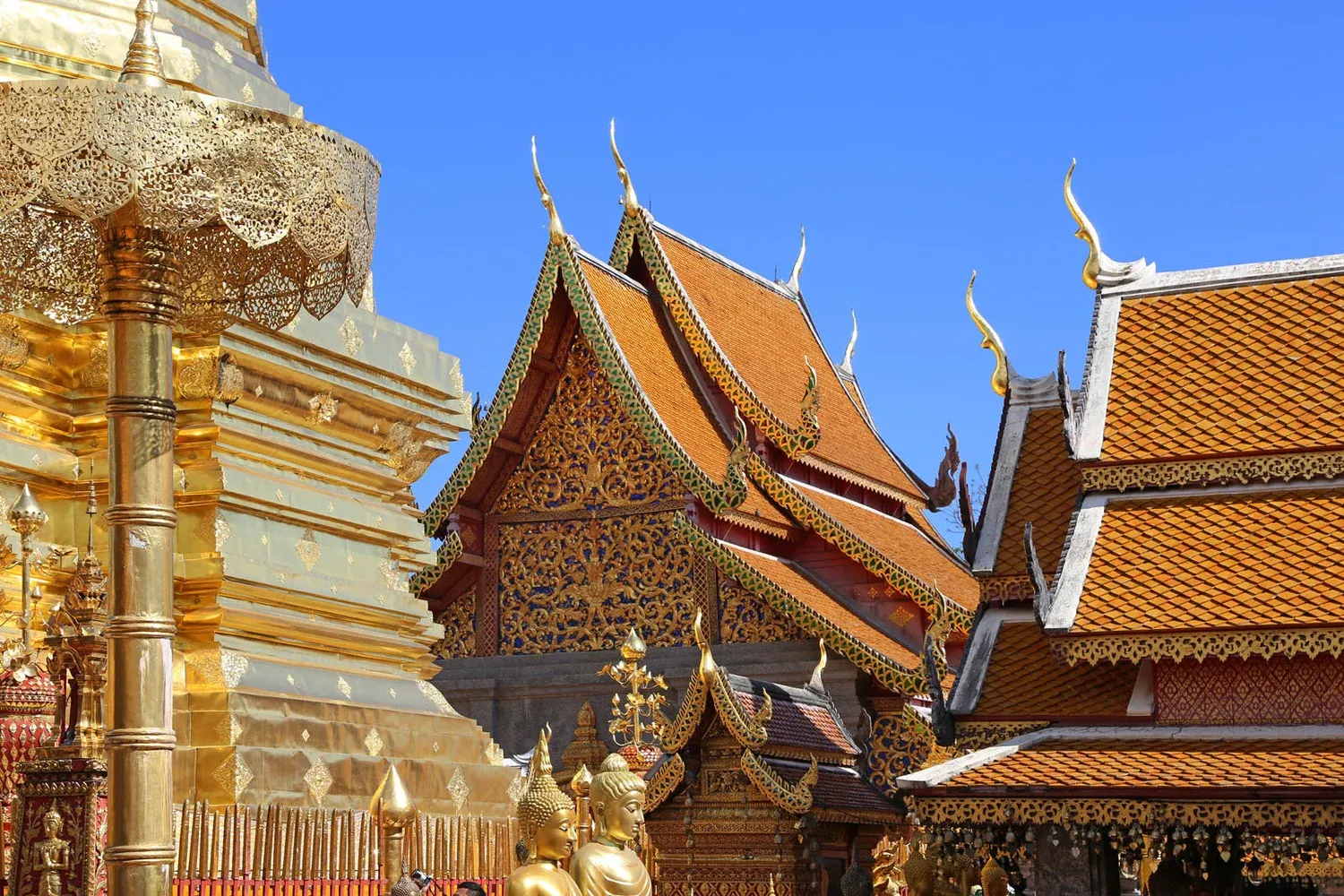
Wat Phra That Doi Suthep
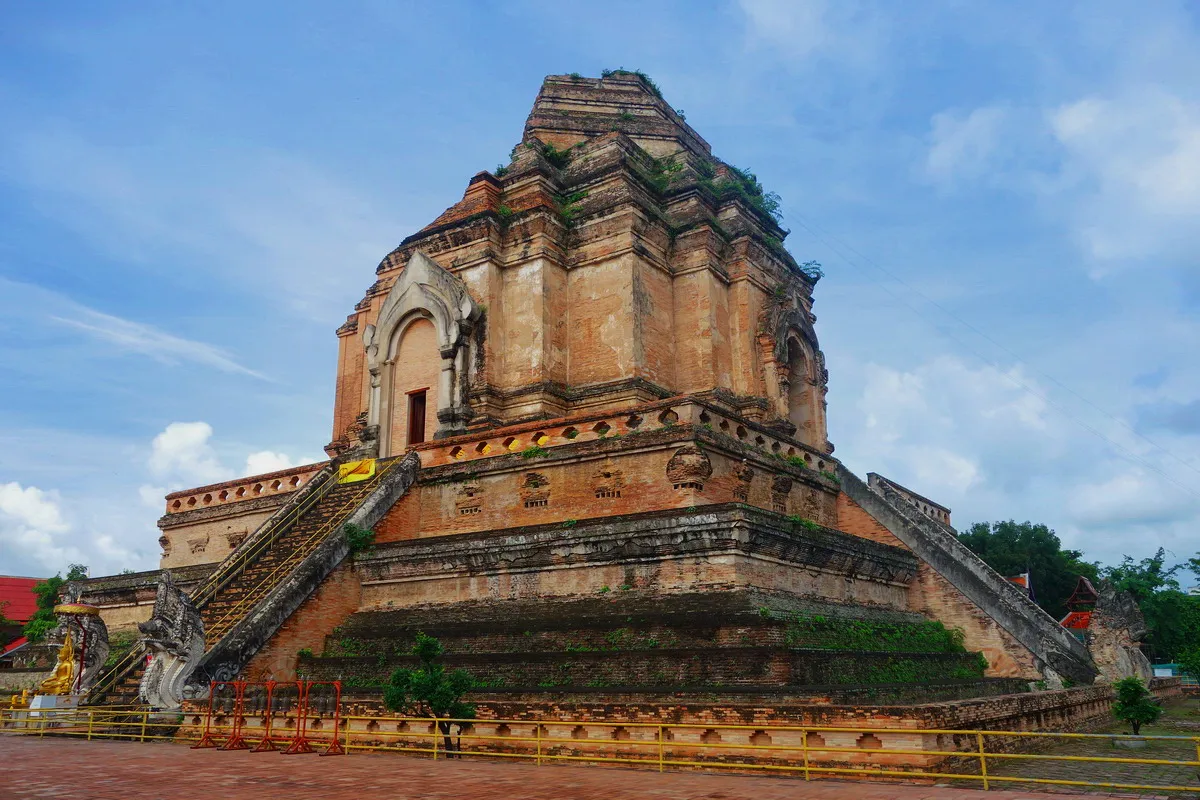
Wat Chedi Luang
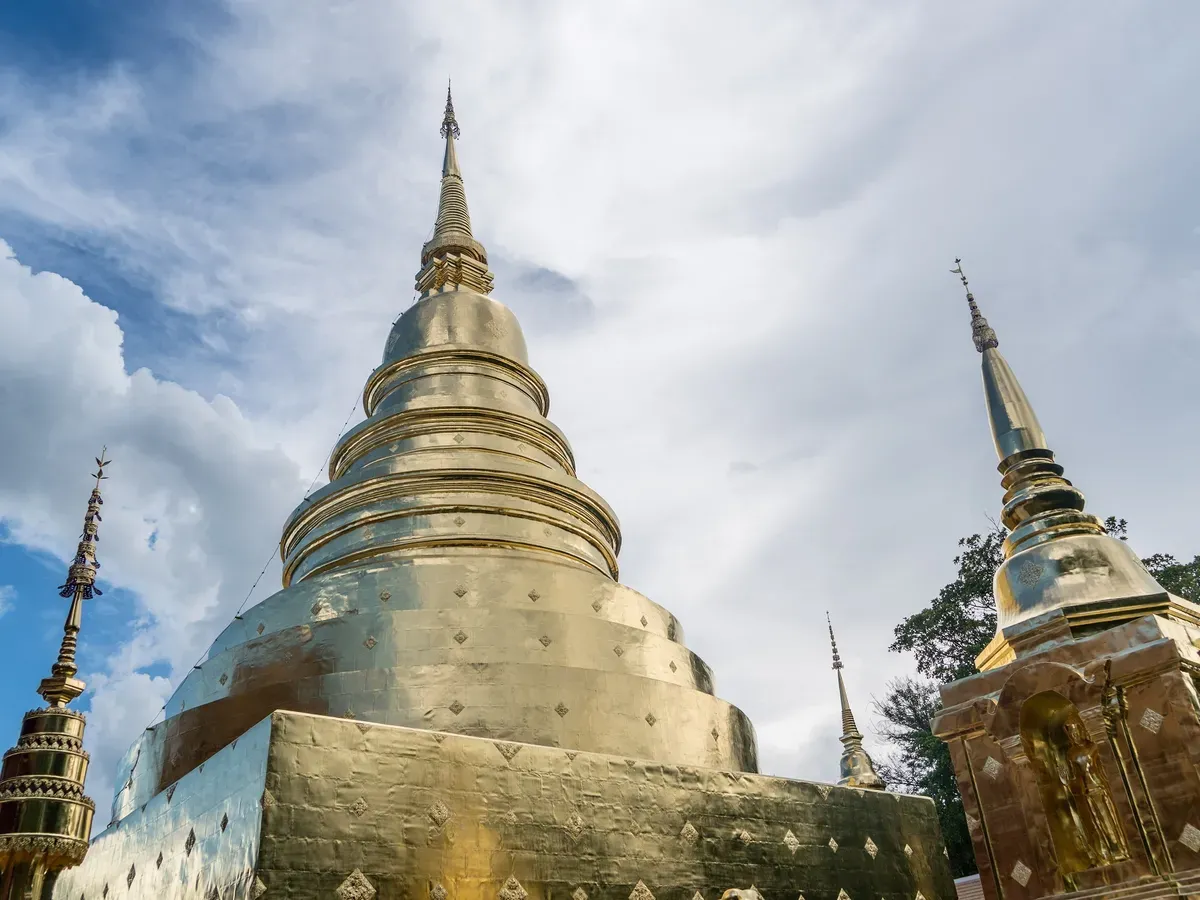
Wat Phra Singh
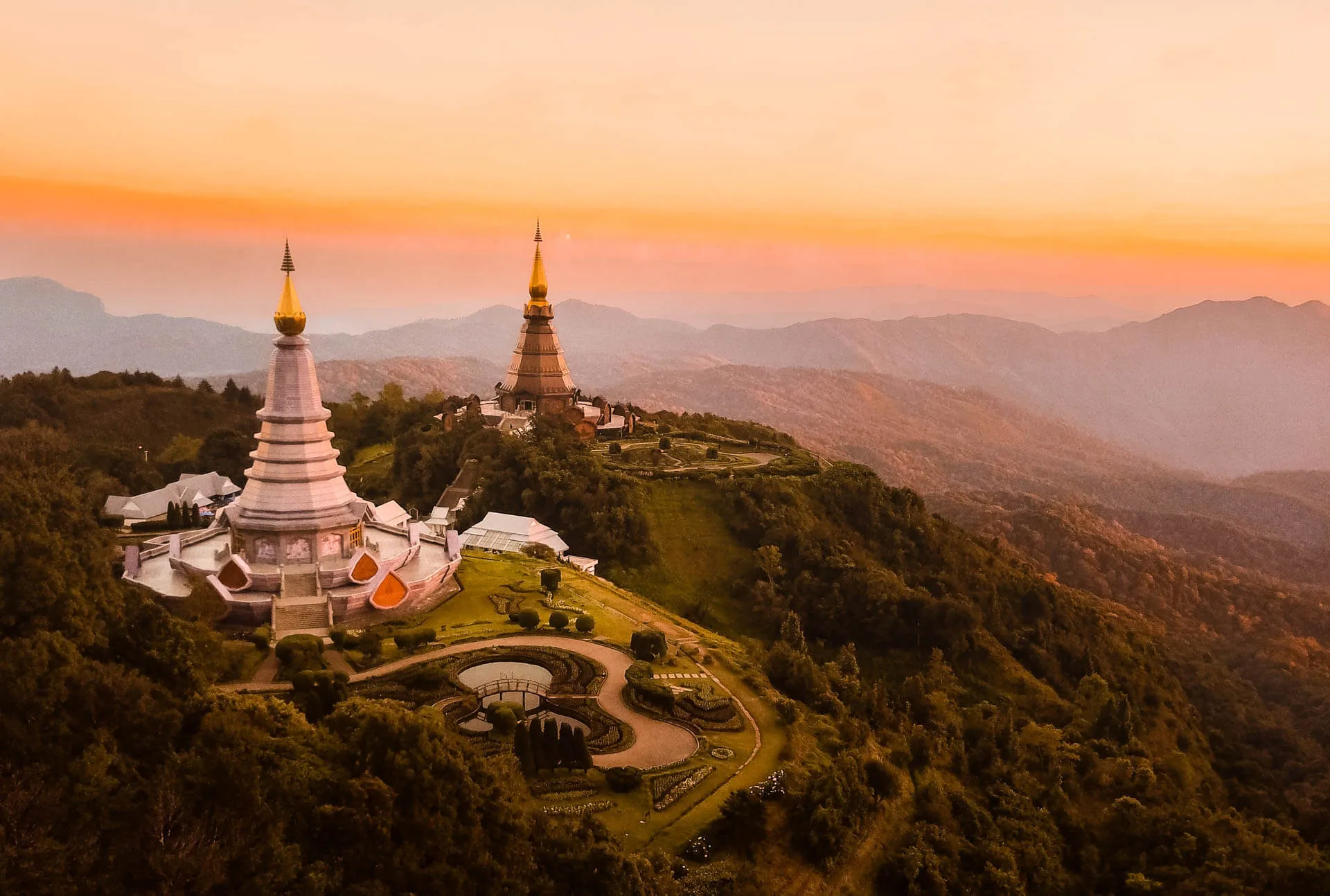
Doi Inthanon
These destinations are in close proximity to Elephant Nature Park and can be visited on the same trip.


Visit Information
Opening Hours
Entry Fee
Best Time to Visit
November to February
Location
Chiang Mai, Thailand
Contact
For inquiries: +66 53 272 855
Best Time to Visit
Recommended: November to February
Jan
32°/21°C
peakFeb
33°/22°C
highMar
35°/24°C
highApr
36°/25°C
moderateMay
34°/25°C
lowJun
33°/25°C
lowJul
33°/25°C
lowAug
33°/25°C
lowSep
32°/24°C
lowOct
32°/24°C
moderateNov
31°/23°C
highDec
31°/21°C
peakElephant Nature Park - Frequently Asked Questions
More wildlife Spots & Nearby Attractions
Khao Yai National Park
Nakhon Ratchasima, Thailand
Erawan National Park
Kanchanaburi, Thailand
Doi Inthanon National Park
Chiang Mai, Thailand
Similan Islands
Phang Nga, Thailand
Khao Sok National Park
Surat Thani, Thailand
Ang Thong Marine National Park
Near Koh Samui, Thailand
Wat Phra That Doi Suthep — Chiang Mai
Chiang Mai, Thailand
Wat Chedi Luang — Chiang Mai
Chiang Mai, Thailand
Wat Phra Singh — Chiang Mai
Chiang Mai, Thailand
Doi Inthanon — Chiang Mai
Chiang Mai, Thailand
Doi Ang Khang — Chiang Mai
Chiang Mai, Thailand
Doi Pha Hom Pok — Chiang Mai
Chiang Mai, Thailand
Discover More About Chiang Mai
Top Picks
Also Worth Reading
Plan Your Trip Around Elephant Nature Park
Best Time to Visit Chiang Mai
Thailand Trip Ideas
Share this destination:
