 Translate
Wat Benchamabophit
About Wat Benchamabophit
Introduction: Bangkok's Iconic Marble Temple
Situated in Dusit District near Dusit Palace, [Wat Benchamabophit Dusitwanaram](http://googleusercontent.com/map_location_reference/0) (commonly known as Wat Benchamabophit or the Marble Temple) is one of Bangkok's most exquisite and celebrated royal temples. Built in 1899 by order of King Chulalongkorn (Rama V) and designed by his half-brother, Prince Narisara Nuvadtivongse, the temple represents a masterclass in modern Thai religious architecture, blending classic European neoclassical design with traditional Thai Buddhist craftsmanship.
Constructed using white Carrara marble imported directly from Italy, the main Ordination Hall (Ubosot) features yellow-tiled multi-tiered roofs, ornate golden gables, polished marble pillars, and lion guardians (Singha) guarding the entrance. Recognized worldwide for its appearance on the back of Thailand's 5-Baht coin, Wat Benchamabophit stands as a peaceful, symmetrical masterpiece of Thai heritage.
Key Attractions & Sacred Architectural Highlights
Wat Benchamabophit features distinct sacred assembly halls, marble cloisters, and bronze Buddha collections:
1. The Marble Ordination Hall (Ubosot)
The main sanctuary building built completely of white Carrara marble. Guarded by two large white marble lions, the hall features stained-glass windows depicting traditional Thai mythological scenes (a European architectural influence rarely seen in Thai temples) and intricate golden gable decorations.
2. Phra Buddhajinaraja Buddha Image
Inside the Ubosot sits the primary sacred Buddha image, Phra Buddhajinaraja—a precise bronze replica of Thailand's most revered Sukhothai-style Buddha statue in Phitsanulok. Beneath the base of this sacred bronze image rest the ashes of King Rama V.
3. The Open-Air Marble Cloister & 52 Buddha Statues
Behind the main Ubosot lies a spacious marble-paved courtyard surrounded by an open-air covered gallery. The cloister houses a world-renowned gallery of 52 bronze Buddha statues representing various historic artistic styles and mudras (postures) from across Thailand, Burma, Japan, and Sri Lanka.
4. Canal Bridges & Dusit Gardens
The outer temple grounds feature tranquil shaded canals crossed by decorative red iron bridges, lotus ponds, and manicured lawns leading toward neighboring royal palaces.
Key Highlights & Attraction Summary
- Italian Carrara Marble Construction: Striking white marble walls, pillars, and courtyards.
- Phra Buddhajinaraja Shrine: Radiant Sukhothai-style bronze Buddha holding King Rama V's royal ashes.
- 52 Bronze Buddha Gallery: Exhibition cloister displaying diverse historical Asian Buddha statues.
- Featured on 5-Baht Coin: Postcard-famous architectural symbol of Bangkok and Thailand.
How to Reach Wat Benchamabophit
Located on Rama V Road in Dusit District, accessible via taxi, bus, and nearby MRT lines.
By Taxi / Grab / Bolt (Most Direct)
Taking a taxi or ride-hailing car (Grab or Bolt) from central Bangkok (Siam, Sukhumvit, or Silom) reaches the temple gates in 15 to 20 minutes (approx. 80–150 THB).
By MRT Subway & Taxi Transfer
Take the MRT Blue Line to **Phra Ram 9** or **Sam Yot Station**, or take the BTS to **Victory Monument Station**, followed by a short 10-minute taxi ride to the temple entrance.
Best Time to Visit
Operating hours and daily monk ceremonies govern optimal trip planning.
Opening Hours
Open daily year-round from **08:00 AM to 06:00 PM**.
Optimal Visiting Strategy & Morning Almsgiving
Arrive early between **06:00 AM and 07:30 AM** outside the canal bridges to observe local Thai Buddhists presenting morning food alms to saffron-robed monks. For quiet photography of the white marble reflection against blue skies, visit between **08:00 AM and 09:30 AM** before tour groups arrive.
Top Nearby Attractions in Dusit
1. Ananta Samakhom Throne Hall (800 m north)
A grand Italian Renaissance-style dome hall built of Italian marble inside the Dusit Palace grounds.
2. Vimanmek Mansion & Dusit Palace Grounds (1 km north)
The famous golden teakwood mansion built by King Rama V set in lush royal gardens.
3. Wat Saket (Golden Mount) (2.5 km south)
An 80-meter man-made mountain topped with a golden stupa and 360-degree city views.
Things to Do at Wat Benchamabophit
- Admire the White Marble Architecture: Photograph the Italian marble facade and red-and-gold multi-tiered roofs.
- Study the 52 Bronze Buddha Statues: Walk the open-air cloister to compare different Buddha postures and historical styles.
- Pay Respects to Phra Buddhajinaraja: View the golden Buddha statue inside the Ubosot.
- Stroll the Canal Bridges: Feed fish and turtles in the canal waters under shaded red iron bridges.
Local Food and Culinary Options
The quiet Dusit neighborhood surrounding the temple features charming heritage coffee shops and street food stalls.
Must-Try Culinary Options Nearby
- Dusit Heritage Cafes: Enjoy iced Thai tea, traditional coconut custard sweets, and fried noodles along Rama V Road.
- Nakhon Chaisi Road Food Stalls: Authentic Thai boat noodles, chicken rice, and papaya salad (*Som Tum*) served at local eateries near Ratchawat Market.
Where to Stay: Accommodation Options
Visitors typically stay in Old Town Bangkok (Rattanakosin), Riverside, or central Siam.
Dusit & Old Town Hotels ($30 – $160 USD / 1,000 – 5,500 THB per night)
- The Raweekanlaya Bangkok / SSIP Boutique Centre / The Sukhothai / Centra by Centara Hotel Phra Nakhon: Charming heritage garden hotels and boutique residences located within 5 to 10 minutes of the Marble Temple.
Budget Travel Guide & Admission Fees
- Admission Ticket: Entrance fee for foreign visitors is **50 THB per person**. Thai citizens enter for free.
- Quiet & Uncrowded: Unlike the Grand Palace or Wat Pho, Wat Benchamabophit offers a calm atmosphere without excessive crowding.
- Inexpensive Offerings: Flower, lotus, and candle merit packages cost around **20 to 30 THB** at the entrance.
Sample Half-Day Itinerary
- 08:00 AM: Arrive at **[Wat Benchamabophit](http://googleusercontent.com/map_location_reference/2)**; pay 50 THB entry and photograph the white marble Ubosot.
- 08:45 AM: Enter the main hall to view the golden **Phra Buddhajinaraja** Buddha statue.
- 09:30 AM: Walk through the **52 Bronze Buddha Cloister** and stroll along the red canal bridges.
- 10:30 AM: Take a 5-minute taxi to nearby **Ananta Samakhom Throne Hall** or **Vimanmek Mansion**.
- 12:00 PM: Enjoy traditional Thai lunch at a heritage cafe in the Dusit district.
Essential Rules and Visitor Guidelines
- Modest Dress Code Enforced: Shoulders and knees must be covered. Tank tops, sleeveless shirts, short shorts, and mini-skirts are strictly prohibited.
- Remove Shoes Inside the Ubosot: Shoes must be removed before stepping onto the marble carpet inside the main hall.
- Respect Sacred Space: Maintain quiet behavior and avoid touching the bronze Buddha statues in the cloister gallery.
Frequently Asked Questions (FAQs)
1. Where is Wat Benchamabophit located?
It is located on Rama V Road, Dusit District, Bangkok, Thailand, near Dusit Palace.
2. What are the operating hours?
Open daily year-round from **08:00 AM to 06:00 PM**.
3. How much is the entrance fee?
Foreign adult admission is **50 THB** per person (free for Thai citizens).
4. Why is it called the Marble Temple?
Because its main Ordination Hall (Ubosot) is built of white Carrara marble imported directly from Italy.
5. Who built Wat Benchamabophit?
It was built in 1899 under King Chulalongkorn (Rama V) and designed by Prince Narisara Nuvadtivongse.
6. Which coin features Wat Benchamabophit?
The back of Thailand's **5-Baht coin** features the Marble Temple's main Ubosot.
7. What is inside the main hall?
The golden *Phra Buddhajinaraja* statue, under which rest the royal ashes of King Rama V.
8. What nearby attractions can be combined?
**Ananta Samakhom Throne Hall**, **Vimanmek Mansion**, and **Wat Saket (Golden Mount)**.
9. What is the dress code?
Modest attire—shoulders and knees must be covered.
10. How many Buddha statues are in the cloister?
The open-air marble cloister displays **52 distinct bronze Buddha statues**.
Conclusion
Wat Benchamabophit (Marble Temple) stands out as Bangkok's ultimate architectural jewel, where white Italian Carrara marble, multi-tiered red roofs, golden Buddhajinaraja statues, 52 bronze cloister images, and serene Dusit canal bridges converge. From admiring European-influenced Thai craftsmanship to exploring bronze galleries and capturing postcard views, Wat Benchamabophit delivers a peaceful, unmissable cultural journey. Dress modestly, take a short taxi ride, and explore Wat Benchamabophit Bangkok!
Photo Gallery
What you'll experience
- 1
Architectural photography
- 2
Quiet meditation
- 3
Temple walking
- 4
Cultural appreciation
Nearby Destinations
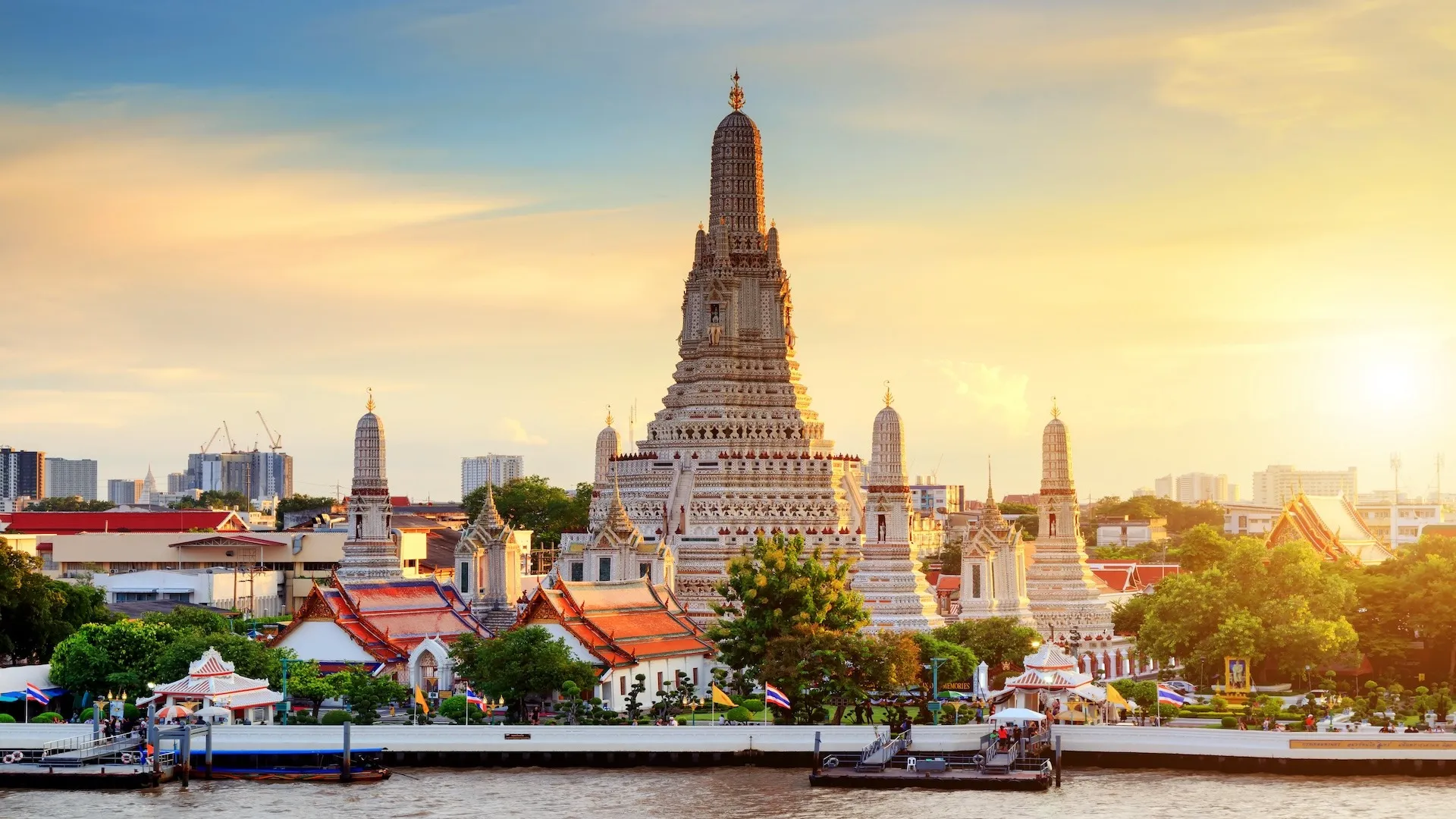
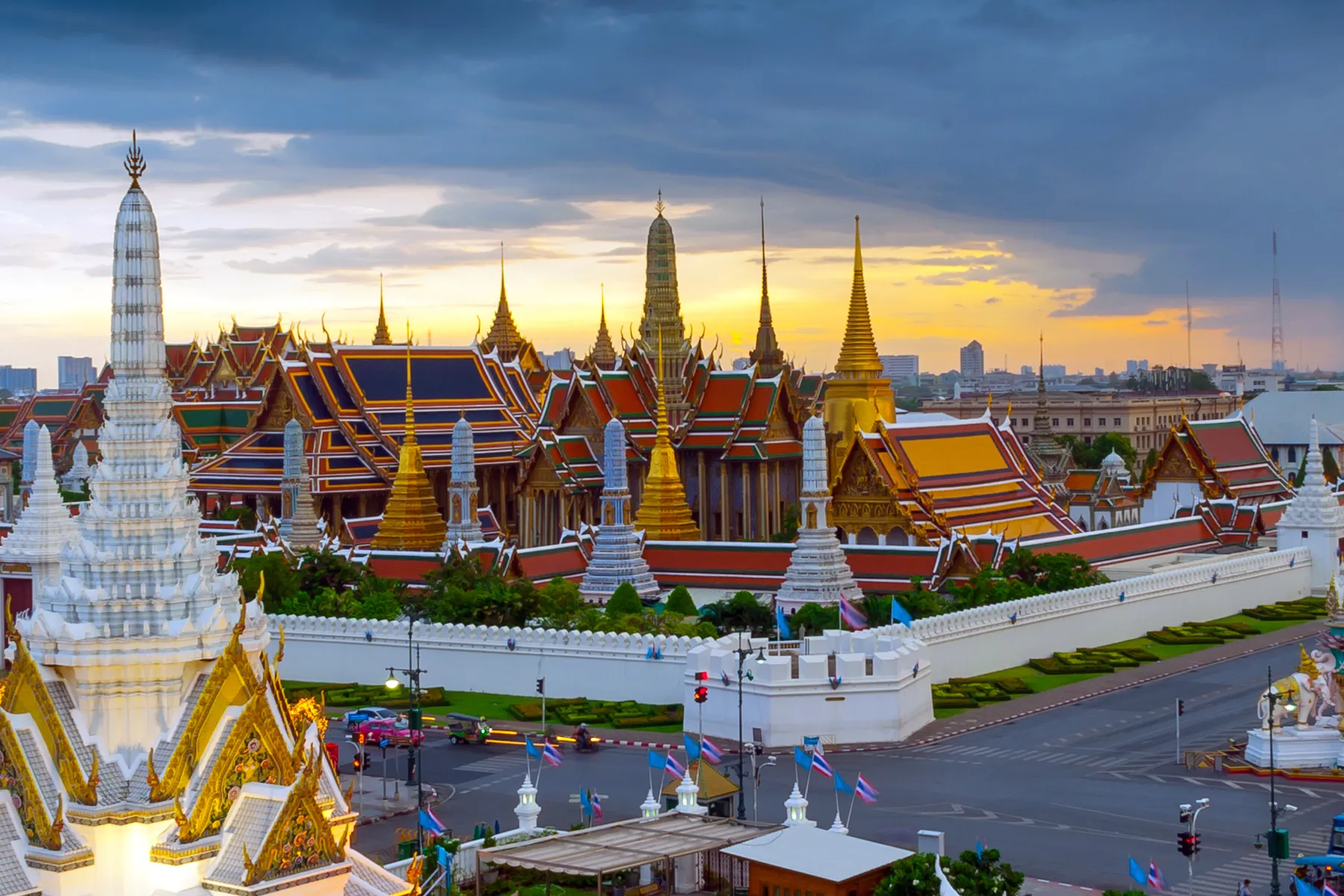
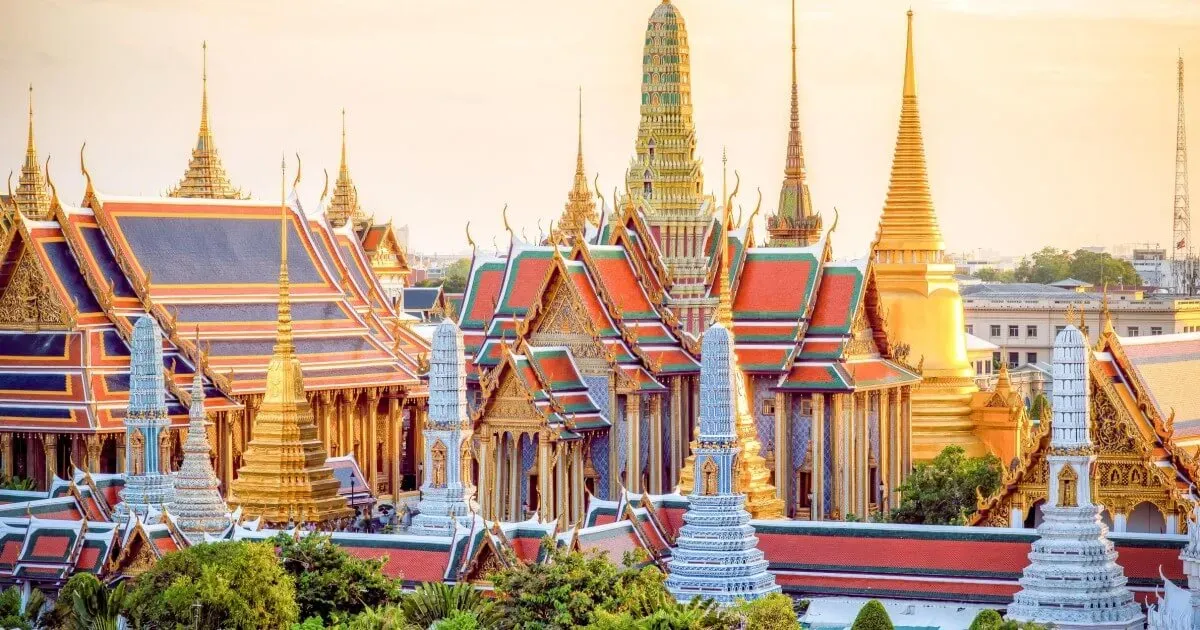
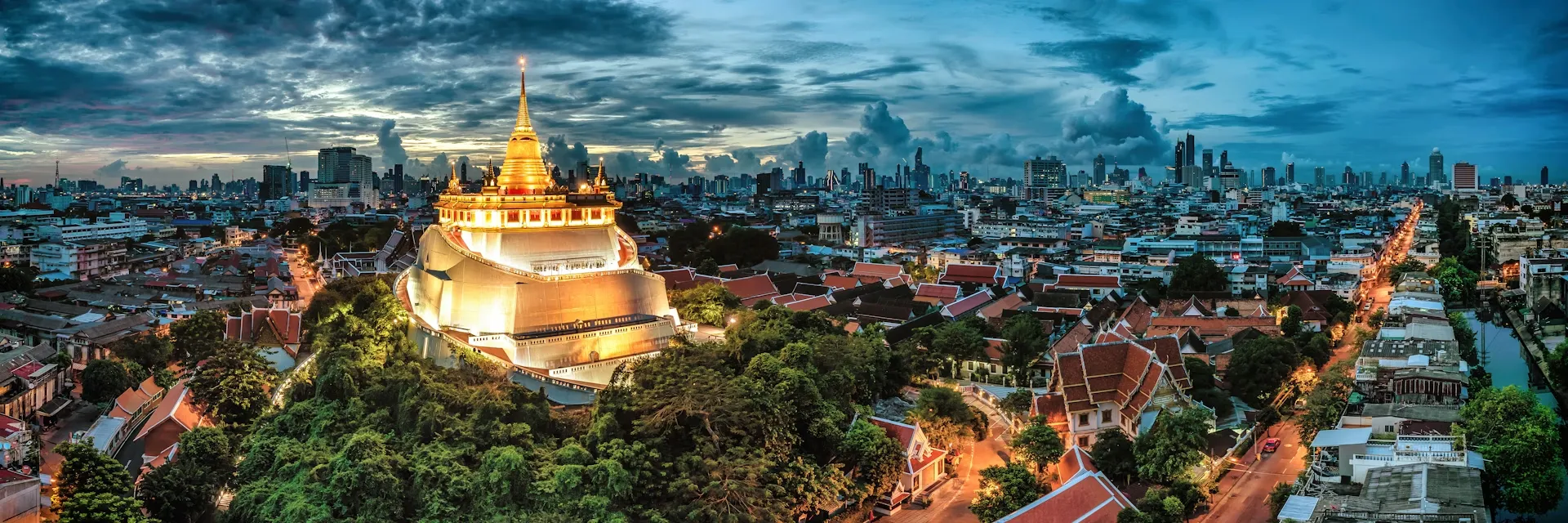
These destinations are in close proximity to Wat Benchamabophit and can be visited on the same trip.
Visit Information
Opening Hours
Entry Fee
Best Time to Visit
November to February
Location
Bangkok, Thailand
Contact
For inquiries: N/A
Best Time to Visit
Recommended: November to February
Jan
32°/21°C
peakFeb
33°/22°C
highMar
35°/24°C
highApr
36°/25°C
moderateMay
34°/25°C
lowJun
33°/25°C
lowJul
33°/25°C
lowAug
33°/25°C
lowSep
32°/24°C
lowOct
32°/24°C
moderateNov
31°/23°C
highDec
31°/21°C
peakWat Benchamabophit - Frequently Asked Questions
More temples Spots & Nearby Attractions
Wat Arun
Bangkok, Thailand
Wat Phra Kaew
Bangkok, Thailand
Wat Pho
Bangkok, Thailand
Wat Saket (Golden Mount)
Bangkok, Thailand
Wat Rong Khun (White Temple)
Chiang Rai, Thailand
Wat Rong Suea Ten (Blue Temple)
Chiang Rai, Thailand
Dream World — Bangkok
Bangkok, Thailand
Safari World & Marine Park — Bangkok
Bangkok, Thailand
SEA LIFE Bangkok Ocean World — Bangkok
Bangkok, Thailand
Siam Amazing Park — Bangkok
Bangkok, Thailand
Snow Town Bangkok — Bangkok
Bangkok, Thailand
Fantasia Lagoon Water Park — Bangkok
Bangkok, Thailand
Discover More About Bangkok
Top Picks
Also Worth Reading
Plan Your Trip Around Wat Benchamabophit
Best Time to Visit Bangkok
Thailand Trip Ideas
Eat & Celebrate in Bangkok
Share this destination:
