 Translate
Hellfire Pass Memorial
About Hellfire Pass Memorial
Introduction: A Sacred Memorial to Endurance and Sacrifice
Located in Sai Yok District, approximately 80 kilometers northwest of Kanchanaburi town, the Hellfire Pass Memorial Complex (known in Thai as Khao Kut) is one of Thailand's most poignant, deeply moving, and historic Remembrance landmarks. Dedicated to the tens of thousands of Allied Prisoners of War (POWs) and Asian civilian laborers (Rusha) who suffered and died during World War II while constructing the infamous Thai-Burma "Death Railway," Hellfire Pass stands as a solemn testament to human endurance, courage, and memory.
Built by the Australian Government's Department of Veterans' Affairs in cooperation with the Royal Thai Armed Forces, the state-of-the-art memorial center and walking trail preserve the actual rock cutting where Allied POWs cleared a passage through 17 meters of solid limestone using only hand drills, hammers, crowbars, and dynamite during 1943.
The History of Konyu Cutting & The Memorial Complex
The name Hellfire Pass originated from the ghostly, tormented scene created by torchlight and fires during night shifts:
1. The Konyu Cutting (Hellfire Pass)
To meet aggressive military deadlines, Imperial Japanese engineers forced POWs—primarily Australian, British, Dutch, and American troops alongside Asian laborers—to work grueling 18-hour shifts during the "Speedo" period of 1943. At night, the deep rock cutting lit by bamboo flares, oil lamps, and burning fires created a haunting image that emulated the jaws of hell, giving the pass its name.
2. The Award-Winning Interpretive Centre
Perched high above the Tenasserim hills overlooking the Kwai Noi Valley, the Museum Interpretive Centre features interactive historical displays, authentic POW artifacts, personal oral history audio recordings, historical photographs, and a memorial theater explaining the construction of the 415-kilometer railway.
3. The 4-Kilometer Walking Trail
A preserved section of the former railway bed extending down into Konyu Cutting and along the abandoned track, passing dramatic rock cuttings, wooden trestle bridge foundations (like the famous "Pack-of-Cards" bridge site), and quiet jungle valleys.
Key Highlights & Attraction Summary
- Konyu Cutting (Hellfire Pass): The actual 110-meter long, 17-meter deep limestone rock cut excavated by hand in 1943.
- Audio Guide Experience: Immersive audio headset tour featuring real voices and diary excerpts of surviving POWs.
- Memorial Interpretive Centre: World-class museum detailing WWII Pacific history and the Death Railway construction.
- ANZAC Day Dawn Service: Annual international memorial ceremony held every April 25th at dawn inside the pass.
How to Reach Hellfire Pass
Hellfire Pass is located along Highway 323, roughly 80 km northwest of central Kanchanaburi.
By Local Bus / Minivan from Kanchanaburi
Frequent public buses and minivans departing from Kanchanaburi Bus Terminal toward Sangkhlaburi / Sai Yok drop passengers off directly at the Hellfire Pass Memorial entrance gate along Highway 323 (approx. 1.5-hour drive, costing 60–100 THB).
By Train & Taxi Combination
Take the historic **Death Railway train** from Kanchanaburi Railway Station across the Bridge over the River Kwai and Wang Po Trestle Bridge to **Nam Tok Railway Station** (the current terminus). From Nam Tok, take a local songthaew or taxi 18 km further north to Hellfire Pass.
By Private Car / Day Tour
Private taxis, rental cars, or organized day tours from Kanchanaburi town or Bangkok reach Hellfire Pass via Highway 323 in about 1 hour 15 minutes from Kanchanaburi town.
Best Time to Visit
Weather conditions and morning temperatures dictate walking comfort along the open jungle trail.
Best Season: Cool Dry Season (November to February)
Brings dry, sunny weather and cooler morning breezes (20°C–30°C). Perfect for walking the 4 km trail through Konyu Cutting.
Best Time of Day (Early Morning)
Visit between **09:00 AM and 11:30 AM** to walk the cutting in cooler temperatures before the intense midday heat sets in inside the stone ravine.
Top Nearby Attractions
1. Sai Yok Noi & Sai Yok Yai Waterfalls (15–30 km away)
Picturesque jungle waterfalls set within Sai Yok National Park, popular for swimming, bamboo rafting, and picnicking.
2. Bridge over the River Kwai & Kanchanaburi War Cemetery (80 km southeast)
The iconic steel bridge in Kanchanaburi town and the immaculate Commonwealth War Graves cemetery holding over 6,900 Allied soldiers.
3. Krasae Cave & Wooden Trestle Bridge (35 km away)
A dramatic section of the Death Railway where trains hug a cliffside wooden trestle bridge overlooking the Kwai Noi River.
Things to Do at Hellfire Pass
- Walk the Audio Guide Tour: Pick up a free audio headset at the museum and listen to harrowing firsthand accounts while walking through Konyu Cutting.
- Pay Respects at the Memorial Plaque: Leave a poppy or moment of silence at the brass memorial plaque inside the cutting.
- Trek the Abandoned Railway Bed: Walk along the 4 km trail past Hintok cutting and wooden bridge sites (sturdy footwear required).
- Attend ANZAC Day Dawn Service: Participate in the solemn international dawn ceremony held annually on April 25th.
Local Food and Culinary Delights
Dining around Sai Yok features local Thai countryside restaurants and floating river venues.
Must-Try Culinary Specialties
- Kanchanaburi Jungle Curry (Gaeng Pa): A fiery, herbal curry prepared without coconut milk, filled with wild vegetables and local herbs.
- Deep-Fried River Fish with Chili-Garlic Dip: Fresh Andaman or Kwai River fish fried crisp with Thai herbs.
- Sai Yok Street Food: Mango sticky rice, grilled chicken satay, and cold coconut water sold near Nam Tok station.
Where to Stay: Accommodation Options
Sai Yok District offers unique floating jungle raft resorts along the Kwai Noi River.
Floating Raft & Eco-Resorts ($50 – $200 USD / 1,800 – 7,000 THB per night)
- The FloatHouse River Kwai / River Kwai Jungle Rafts / Hintok River Camp: Luxury safari tents and floating wooden rafts set right on the river surrounded by rainforest, located just 15 minutes from Hellfire Pass.
Budget Travel Guide for Hellfire Pass
- Free Museum Admission: Admission to the Hellfire Pass Interpretive Centre, the walking trail, and audio guide rentals is **100% Free** (donations to the museum trust are welcomed).
- Cheap Public Transit: Take the local bus from Kanchanaburi Bus Terminal for under **100 THB** ($3 USD) each way.
- Audio Headset Deposit: Carry a passport or photo ID card to deposit when borrowing the free audio guide headsets.
Sample 1-Day Itinerary
- 07:30 AM: Depart Kanchanaburi town via private car, tour, or local bus along Highway 323.
- 09:00 AM: Arrive at Hellfire Pass Interpretive Centre; collect your free audio guide headset.
- 09:30 AM: Descend the stairs into **Konyu Cutting (Hellfire Pass)** and walk the historic railway line with audio commentary.
- 11:30 AM: Explore the indoor museum galleries, historical photographs, and memorial theater.
- 01:00 PM: Enjoy a traditional Thai lunch of jungle curry and grilled chicken at a riverside restaurant near Sai Yok.
- 02:30 PM: Visit **Sai Yok Noi Waterfall** or ride the afternoon Death Railway train from **Nam Tok Station** across the cliffside wooden trestle bridge back to Kanchanaburi town.
Essential Rules and Visitor Guidelines
- Solemn Decorum Required: Hellfire Pass is a sacred memorial site and war cemetery grounds—maintain quiet, respectful behavior and refrain from loud shouting, playing music, or running.
- Sturdy Footwear Mandatory: Walking down to the cutting involves steep stairs and uneven gravel paths—wear closed athletic shoes or hiking boots (do not wear flip-flops).
- Carry Water & Sun Protection: The rock cutting can get hot and humid—carry bottled water, a hat, and sunscreen.
- Trail Registration: If hiking the extended 4 km trail beyond Konyu Cutting, register your name with museum rangers at the desk before starting.
Frequently Asked Questions (FAQs)
1. Where is Hellfire Pass located?
Hellfire Pass (Konyu Cutting) is located in Sai Yok District, Kanchanaburi Province, Western Thailand, about 80 km northwest of Kanchanaburi town.
2. Why is it called Hellfire Pass?
Allied POWs named it Hellfire Pass because the tormented, torch-lit scene of thousands of emaciated men working at night under Japanese guard resembled the imagery of hell.
3. How much is the entrance fee for Hellfire Pass?
Entrance to the museum, audio guide, and walking trail is **100% Free** (maintained by the Australian Government and Thai Armed Forces).
4. How do you get to Hellfire Pass from Kanchanaburi?
Take a direct local bus/minivan toward Sangkhlaburi from Kanchanaburi terminal, or combine the Death Railway train to Nam Tok with a local taxi.
5. Are audio guides available at Hellfire Pass?
Yes, excellent personal audio guides featuring real accounts from surviving POWs are provided free of charge at the museum desk (ID deposit required).
6. How long does a visit to Hellfire Pass take?
Plan for **2 to 3 hours** to explore the museum galleries, walk through Konyu Cutting, and listen to the audio guide.
7. What is ANZAC Day at Hellfire Pass?
On April 25th each year, an official international Dawn Service is held inside Konyu Cutting to honor Australian, New Zealand, Allied POWs, and civilian laborers.
8. Can you walk the entire 4-km trail?
Yes, the preserved walking trail extends past Hintok cutting and trestle sites. Hikers must wear sturdy shoes and register with park staff.
9. What local food should I try near Hellfire Pass?
Must-try dishes include Kanchanaburi jungle curry (*Gaeng Pa*), fresh fried river fish, and mango sticky rice.
10. What is the best season to visit Hellfire Pass?
The cool dry season from **November to February** offers optimal sunny weather and comfortable walking temperatures.
Conclusion
Hellfire Pass Memorial stands out as a deeply moving, sacred monument to historical memory, where the dramatic 17-meter limestone Konyu Cutting, world-class audio accounts from surviving Allied POWs, floating Kwai river resorts, and solemn ANZAC traditions converge in Western Thailand. From wearing audio headsets through the quiet rock cutting and honoring fallen soldiers to exploring Sai Yok waterfalls and floating on the Kwai River, Hellfire Pass delivers an unmissable and humbling historical journey. Plan your visit, wear sturdy footwear, and pay tribute at Hellfire Pass Memorial Kanchanaburi!
Photo Gallery
What you'll experience
- 1
Walking through the pass
- 2
Museum visit
- 3
Listening to audio history guides
- 4
Honoring WWII history
Nearby Destinations
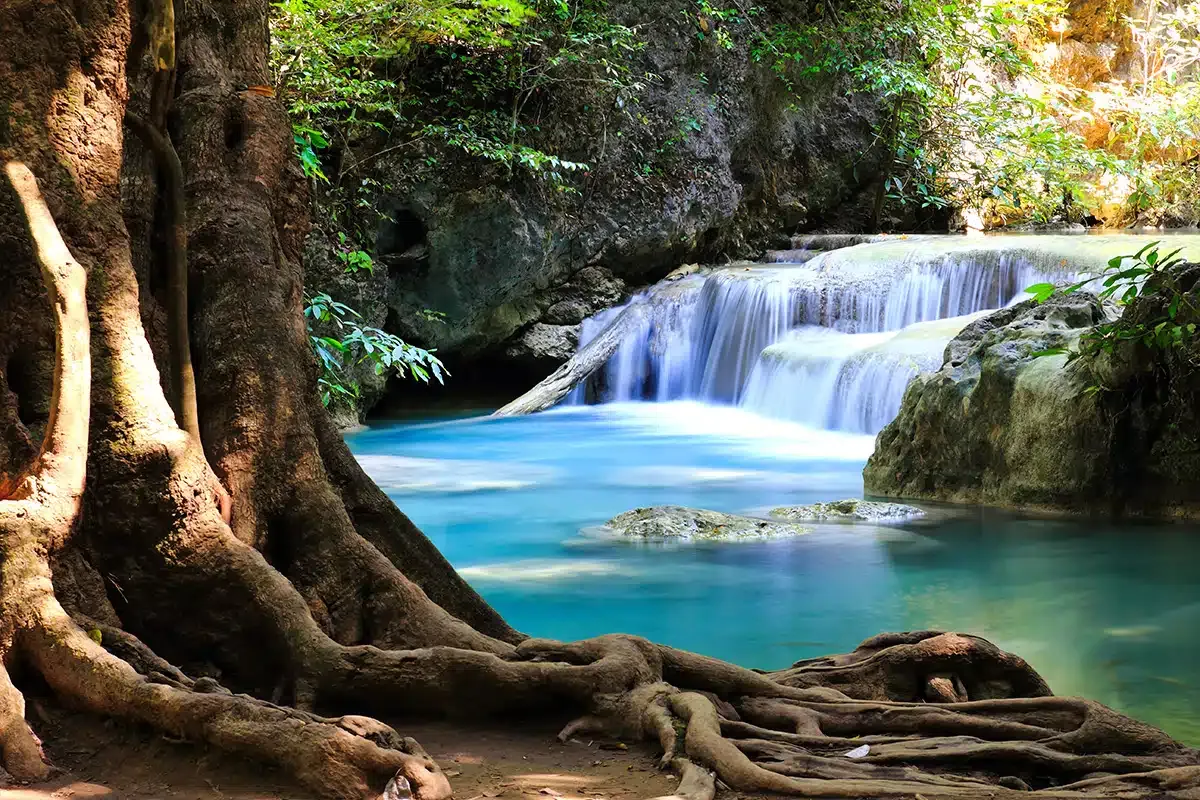
Erawan National Park
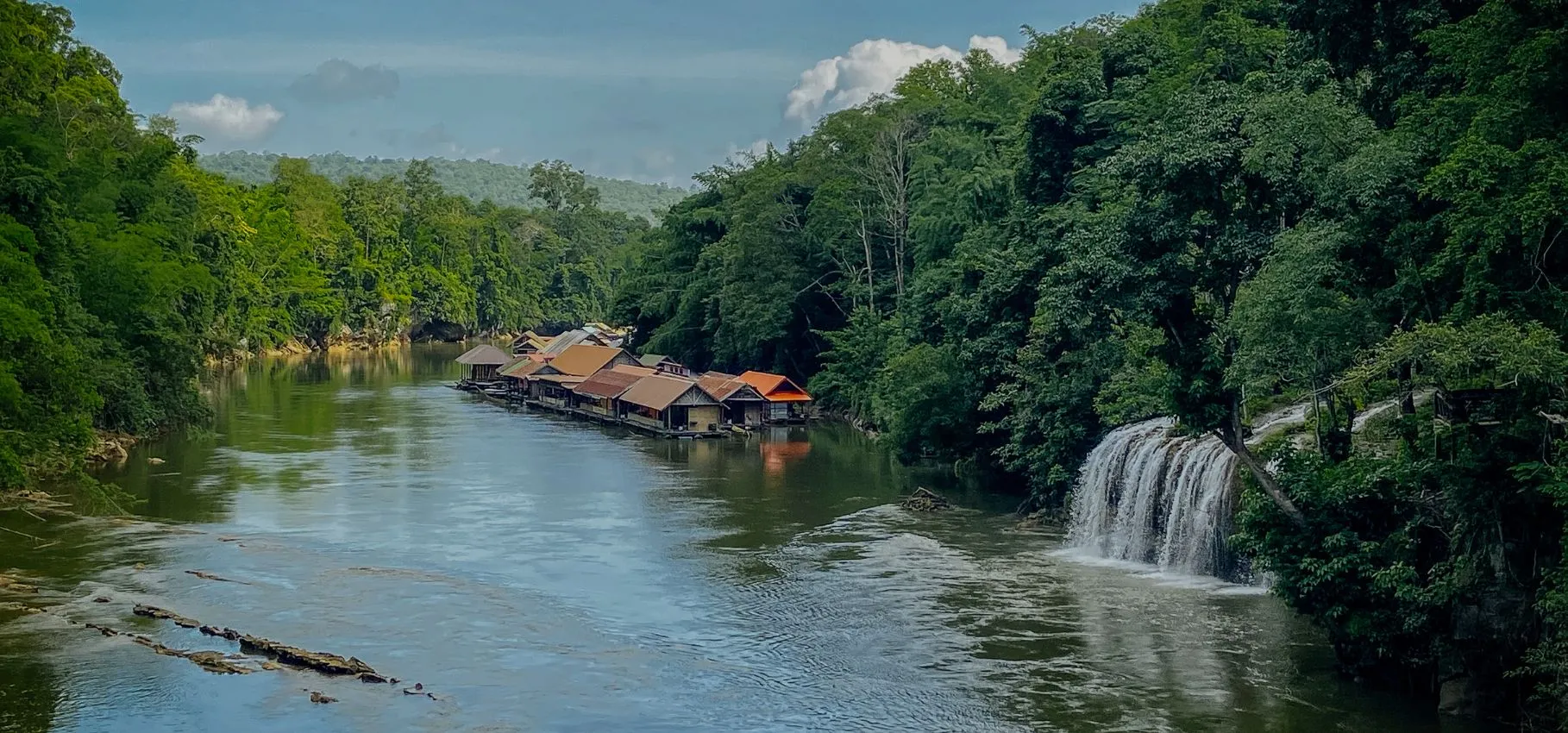
Sai Yok National Park

Khao Laem National Park

Bridge on the River Kwai
These destinations are in close proximity to Hellfire Pass Memorial and can be visited on the same trip.
Visit Information
Opening Hours
Entry Fee
Best Time to Visit
November to February
Location
Kanchanaburi, Thailand
Contact
For inquiries: N/A
Best Time to Visit
Recommended: November to February
Jan
32°/21°C
peakFeb
33°/22°C
highMar
35°/24°C
highApr
36°/25°C
moderateMay
34°/25°C
lowJun
33°/25°C
lowJul
33°/25°C
lowAug
33°/25°C
lowSep
32°/24°C
lowOct
32°/24°C
moderateNov
31°/23°C
highDec
31°/21°C
peakHellfire Pass Memorial - Frequently Asked Questions
More historical Spots & Nearby Attractions
Kanchanaburi
Western Thailand
Ayutthaya Historical Park
Ayutthaya, Thailand
Sukhothai Historical Park
Sukhothai, Thailand
Ancient City (Muang Boran)
Samut Prakan, Thailand
Bang Pa-In Royal Palace
Ayutthaya, Thailand
Jim Thompson House
Bangkok, Thailand
Erawan National Park — Kanchanaburi
Kanchanaburi, Thailand
Sai Yok National Park — Kanchanaburi
Kanchanaburi, Thailand
Khao Laem National Park — Kanchanaburi
Kanchanaburi, Thailand
Discover More About Kanchanaburi
Top Picks
Also Worth Reading
Plan Your Trip Around Hellfire Pass Memorial
Best Time to Visit Kanchanaburi
Thailand Trip Ideas
Compare Hellfire Pass Memorial & Read More
Share this destination:
