 Translate
Bridge on the River Kwai
About Bridge on the River Kwai
Introduction: The Historic WWII Railway Landmark
Spanning the Mae Klong River (renamed the Khwae Yai River) in central Kanchanaburi town, the Bridge on the River Kwai is Thailand's most famous World War II landmark. Built in 1943 by Allied Prisoners of War (POWs) and Asian forced laborers under Imperial Japanese army supervision, it formed a vital link in the 415-kilometer Thai-Burma "Death Railway" built to supply Japanese troops in the Myanmar campaign.
Immortally mythologized in Pierre Boulle's 1952 novel and David Lean's 1957 Oscar-winning film, the real steel-and-concrete bridge remains an active railway line and a solemn memorial honoring the estimated 12,000 Allied soldiers and over 90,000 Asian laborers who perished during the railway's construction.
History, Architectural Structure, and WWII Heritage
The bridge represents a complex blend of wartime history, engineering, and enduring memory:
1. The Wooden vs. Steel Bridges
Two bridges were originally constructed at this site in 1943: a temporary wooden trestle bridge and a permanent iron-and-steel bridge brought from Java by Japanese forces. While the wooden bridge was destroyed after the war, the steel bridge was repaired and continues to stand today.
2. Curved vs. Angular Spans
The bridge features distinct architectural spans. The curved arched steel spans are original 1943 Japanese constructions, while the square angular spans in the center replace two sections destroyed by Allied aerial bombing raids in 1945.
3. Active Death Railway Line
Unlike many historic ruins, the bridge is fully functional. Visitors can walk directly across the railway tracks on wooden planks, stepping into safety alcoves built along the trusses when local passenger trains slowly cross the bridge.
Key Highlights & Attraction Summary
- Active WWII Railway Bridge: Walk across the iron track planks and ride the train over the river.
- Kanchanaburi War Cemetery: Immaculate Commonwealth War Graves cemetery holding over 6,900 Allied soldiers.
- JEATH War Museum: Riverside museum detailing POW living conditions with authentic wartime photos and bamboo huts.
- River Kwai Bridge Festival: Annual late-November festival featuring light-and-sound shows and fireworks reenactments.
How to Reach the Bridge on the River Kwai
The bridge is located roughly 130 km west of Bangkok in central Kanchanaburi.
By Train from Bangkok (Most Authentic Route)
Passenger trains depart twice daily from Bangkok's **Thonburi Railway Station** directly to **River Kwai Bridge Station** (approx. 2.5 to 3 hours, costing 100 THB for third-class foreign tickets). Riding this train takes you directly across the bridge and along the cliffside wooden trestle at Krasae Cave.
By Bus / Minivan
Air-conditioned minivans and buses depart regularly from Bangkok's **Mochit Bus Terminal** or **Southern Bus Terminal (Sai Tai Mai)** to Kanchanaburi Bus Terminal (approx. 2 hours, costing 100–150 THB). From Kanchanaburi terminal, local songthaew taxis reach the bridge in 10 minutes.
Best Time to Visit
Weather and train crossing schedules dictate the best times to visit.
Best Season: Cool Dry Season (November to February)
Brings sunny, pleasant weather (22°C–31°C). Ideal for walking the bridge and taking river boat trips.
Best Time of Day
Visit early in the morning (**07:30 AM – 09:30 AM**) before large tour buses arrive, or visit near sunset (**05:00 PM**) to catch golden light over the Kwai Yai River and dine at riverside restaurants.
Top Nearby Attractions
1. Kanchanaburi War Cemetery (Don-Rak) (2 km away)
The peaceful, immaculately maintained burial ground for 6,982 Commonwealth and Dutch POWs.
2. Krasae Cave & Wooden Trestle Bridge (45 km away)
A dramatic section of the Death Railway where trains hug a cliffside wooden trestle bridge overlooking the Kwai Noi River.
3. Hellfire Pass Memorial Complex (80 km away)
A sacred memorial and walking trail through a 17-meter deep limestone rock cut excavated by hand by POWs in 1943.
Things to Do at the River Kwai Bridge
- Walk Across the Track Planks: Walk across the bridge trusses to the opposite riverbank.
- Ride the Death Railway Train: Board the train at River Kwai Bridge Station to ride across the river toward Nam Tok.
- Visit JEATH War Museum: View historical WWII artifacts, weapons, and POW letters housed in bamboo huts.
- Dine on a Floating River Restaurant: Enjoy local Thai seafood on floating rafts with direct views of the illuminated bridge.
Local Food and Culinary Delights
Kanchanaburi features delicious regional Western Thai culinary specialties.
Must-Try Culinary Specialties
- Kanchanaburi Jungle Curry (Gaeng Pa): A fiery herbal curry prepared without coconut milk, filled with wild herbs and fresh local fish.
- Fried River Fish with Chili-Garlic Dip: Fresh Kwai River snapper or catfish fried crisp with Thai garlic.
- Mango Sticky Rice & Thai Iced Tea: Served at local market stalls surrounding the railway station plaza.
Where to Stay: Accommodation Options
Kanchanaburi is famous for floating raft resorts along the Kwai River.
Riverside & Resort Stays ($40 – $180 USD / 1,400 – 6,000 THB per night)
- Felix River Kwai Resort / U Inchantree Kanchanaburi / Good Times Resort: Boutique properties located right next to the bridge offering river views, lush gardens, and swimming pools.
Budget Travel Guide
- Free Bridge Access: Walking across the Bridge on the River Kwai is **100% Free** of charge.
- Cheap Train Travel: The train from Bangkok costs just **100 THB** ($3 USD) each way.
- Combine Historical Sites: The Kanchanaburi War Cemetery and Thailand-Burma Centre are located within walking distance of Kanchanaburi main station.
Sample 1-Day Itinerary
- 07:50 AM: Board the morning train from Bangkok Thonburi Station to Kanchanaburi.
- 10:45 AM: Arrive at **River Kwai Bridge Station**; walk across the historic steel bridge.
- 11:30 AM: Visit the nearby **JEATH War Museum** to learn about WWII POW conditions.
- 01:00 PM: Enjoy lunch at a floating river restaurant with views of the bridge.
- 02:30 PM: Take a short songthaew ride to pay respects at the **Kanchanaburi War Cemetery**.
- 04:30 PM: Explore local market stalls for snacks before taking the return train or bus to Bangkok.
Essential Rules and Visitor Guidelines
- Mind Active Trains: Trains cross the bridge multiple times daily at slow speeds—listen for warnings and step into pedestrian safety alcoves when trains approach.
- Respect Memorial Sites: Maintain respectful behavior when visiting the War Cemetery and memorial sites.
- Sun Protection: The open iron bridge offers no shade—carry a hat, sunglasses, and bottled water.
Frequently Asked Questions (FAQs)
1. Where is the Bridge on the River Kwai located?
It is located in central Kanchanaburi town, Western Thailand, approximately 130 km west of Bangkok.
2. Is there an entrance fee for the Bridge on the River Kwai?
No, walking across the bridge is **completely free** to the public 24/7.
3. Is the bridge still in use?
Yes, local passenger trains still run across the bridge daily as part of the active State Railway of Thailand network.
4. How do you get there from Bangkok?
Take a 2.5 to 3-hour train from Bangkok Thonburi Station directly to River Kwai Bridge Station, or an AC minivan from Mochit terminal.
5. Was the movie filmed here?
No, the famous 1957 film *The Bridge on the River Kwai* was filmed in Kitulgala, Sri Lanka, though the real bridge stands here in Kanchanaburi.
Conclusion
The Bridge on the River Kwai stands as an iconic symbol of World War II history and human resilience, where historic arched steel trusses, active Death Railway trains, floating Kwai river dining, and solemn Commonwealth war cemeteries converge in Western Thailand. From walking across the railway tracks and riding the train to Hellfire Pass to paying respects at Don-Rak Cemetery, Kanchanaburi delivers an unmissable historical journey. Plan your trip, hop on the train, and explore the Bridge on the River Kwai!
Photo Gallery
What you'll experience
- 1
Walking across the historic bridge
- 2
River cruise
- 3
Visiting war museums
- 4
Photography
Nearby Destinations
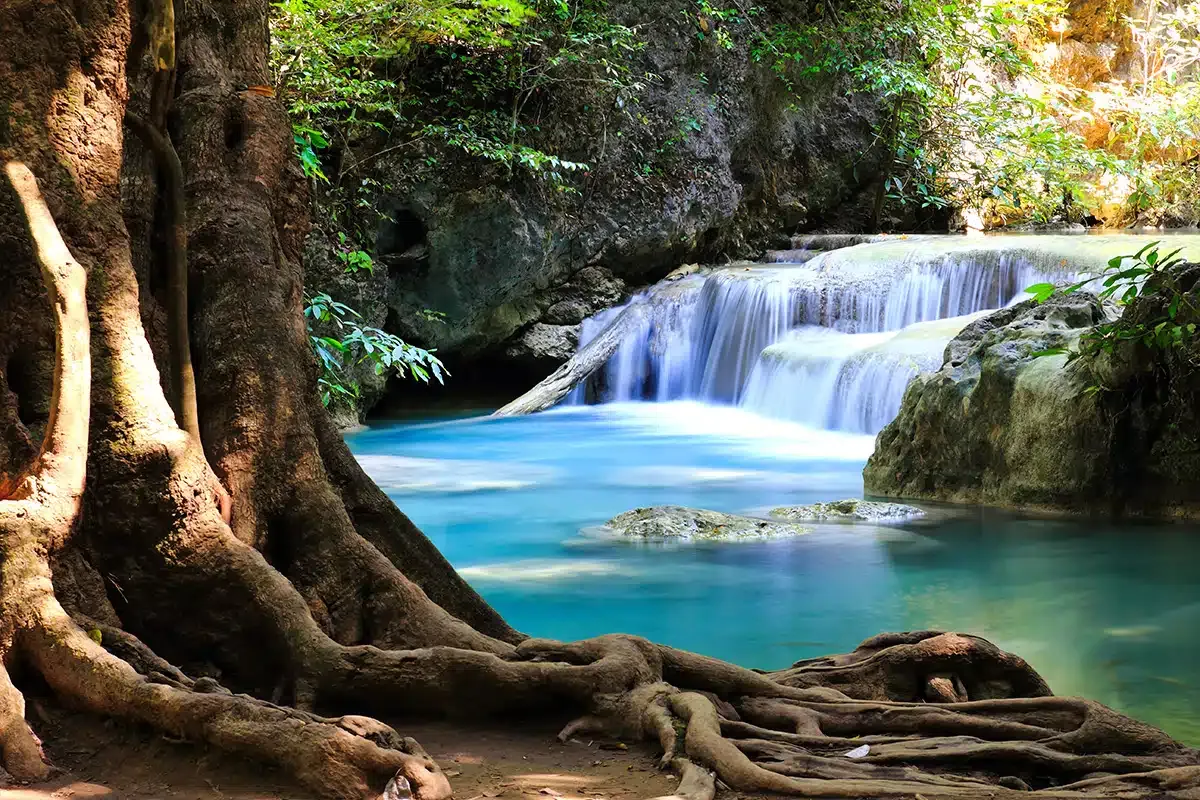
Erawan National Park
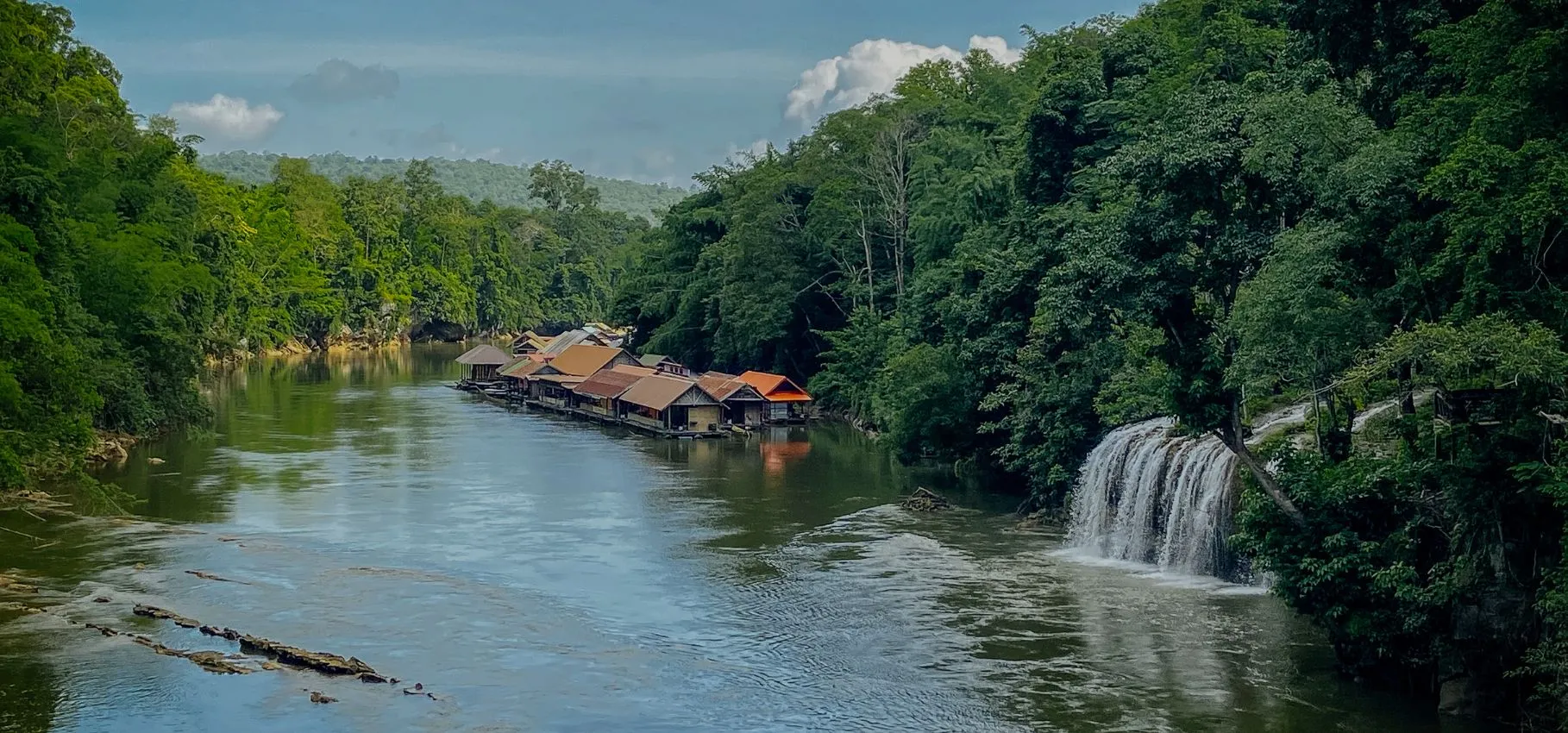
Sai Yok National Park
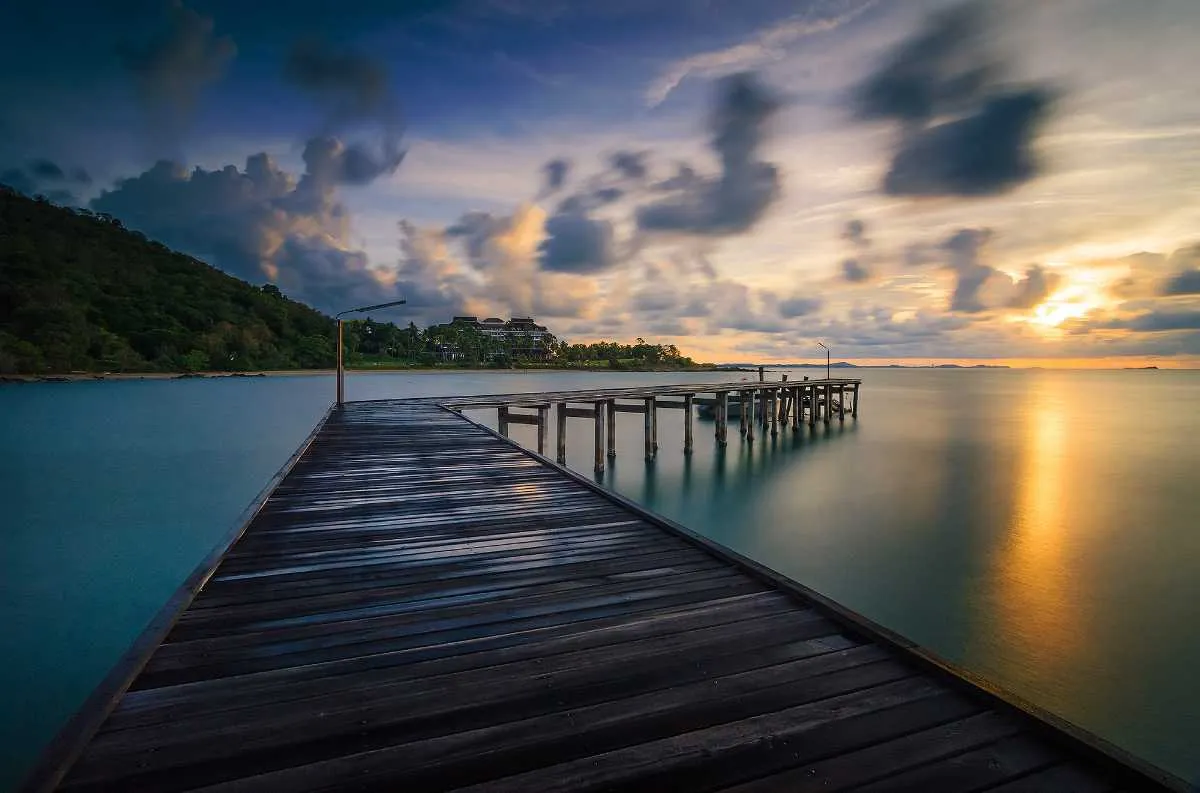
Khao Laem National Park

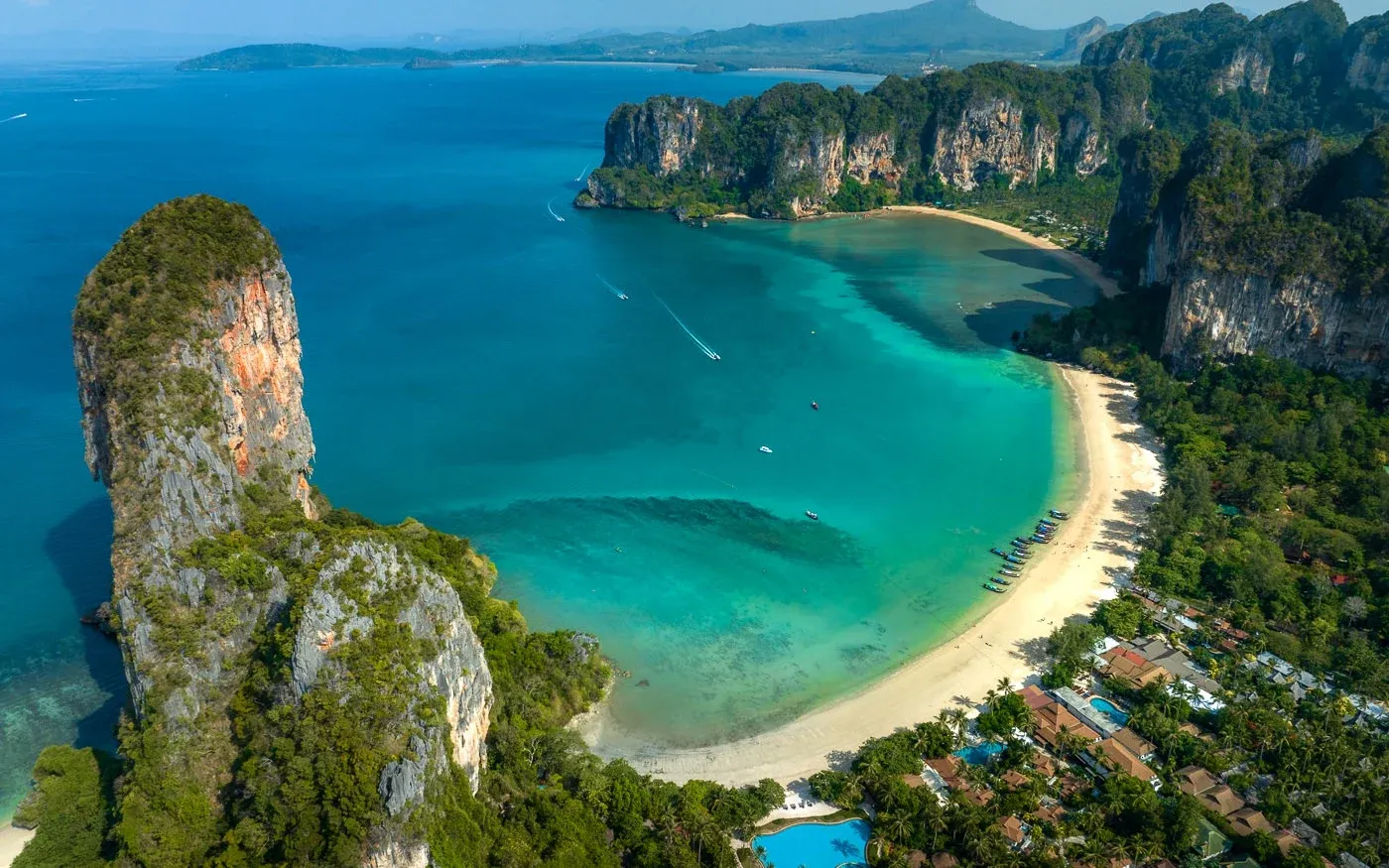
Hellfire Pass Memorial
These destinations are in close proximity to Bridge on the River Kwai and can be visited on the same trip.
Visit Information
Opening Hours
Entry Fee
Best Time to Visit
November to February
Location
Kanchanaburi, Thailand
Contact
For inquiries: N/A
Best Time to Visit
Recommended: November to February
Jan
32°/21°C
peakFeb
33°/22°C
highMar
35°/24°C
highApr
36°/25°C
moderateMay
34°/25°C
lowJun
33°/25°C
lowJul
33°/25°C
lowAug
33°/25°C
lowSep
32°/24°C
lowOct
32°/24°C
moderateNov
31°/23°C
highDec
31°/21°C
peakBridge on the River Kwai - Frequently Asked Questions
More historical Spots & Nearby Attractions
Kanchanaburi
Western Thailand
Ayutthaya Historical Park
Ayutthaya, Thailand
Sukhothai Historical Park
Sukhothai, Thailand
Ancient City (Muang Boran)
Samut Prakan, Thailand
Bang Pa-In Royal Palace
Ayutthaya, Thailand
Jim Thompson House
Bangkok, Thailand
Erawan National Park — Kanchanaburi
Kanchanaburi, Thailand
Sai Yok National Park — Kanchanaburi
Kanchanaburi, Thailand
Khao Laem National Park — Kanchanaburi
Kanchanaburi, Thailand
Discover More About Kanchanaburi
Top Picks
Also Worth Reading
Plan Your Trip Around Bridge on the River Kwai
Best Time to Visit Kanchanaburi
Thailand Trip Ideas
Compare Bridge on the River Kwai & Read More
Share this destination:
