 Translate
Doi Mae Salong
About Doi Mae Salong
Introduction: Little Yunnan on the Mountain Ridge
Situated along the Daen Lao Range in Mae Fah Luang District, approximately 80 kilometers (a 1.5-hour drive) northwest of Chiang Rai city center, Doi Mae Salong (officially named Santikhiri, meaning "Hill of Peace") is one of Northern Thailand's most captivating cultural mountain villages. Perched at an elevation of 1,200 to 1,367 meters above sea level, this misty ridge top is famous for its unique Chinese Yunnanese heritage, sweeping oolong tea plantations, cool mountain climate, and authentic highland cuisine.
Settled in the 1960s by soldiers of the Kuomintang (KMT) 93rd Division after their retreat from China, Doi Mae Salong transformed from a turbulent opium-producing region into Thailand's premier high-altitude tea-growing center. Today, white-walled Chinese tea houses, red lanterns, Yunnanese noodle shops, and terraced tea bushes cover the rolling hillsides, creating a distinct blend of Chinese traditions and Northern Thai mountain scenery.
Key Attractions & Cultural Landmarks
Doi Mae Salong offers scenic tea estates, sacred stupas, and rich historical monuments:
1. Phra Borommathat Chedi Srinakarindra Sawat
Perched on the highest peak above Santikhiri village, this magnificent golden Lanna-style chedi was built to honor the Princess Mother (Srinagarindra). Reached via a winding mountain road or a steep 718-step dragon staircase, the temple platform delivers breathtaking 360-degree panoramic views over surrounding tea plantations, mountain ridges, and the Myanmar border.
2. World-Class Oolong Tea Plantations & Tasting Houses
Doi Mae Salong produces some of the finest high-altitude Oolong tea in Southeast Asia (notably Oolong No. 12 and No. 17). Major estates like **Choui Fong Tea Plantation**, **101 Tea Plantation**, and **Wang Put Tan Tea** offer free tea-tasting sessions where visitors can sample hand-brewed teas, walk through manicured tea terraces, and watch traditional leaf-drying processing.
3. Tomb of General Tuan & KMT Memorial Museum
Dedicated to General Tuan Shi-wen, the leader of the 93rd Division who established the original settlement. The memorial features traditional Chinese architecture, historic photographs, and museum exhibits detailing the migration, battles, and agricultural transformation of the Kuomintang soldiers in Thailand.
4. Wild Himalayan Cherry Blossom Trails (Jan – Feb)
During January and February, the mountain roads surrounding Santikhiri village bloom with thousands of pink Wild Himalayan Cherry Blossom trees ("Thailand's Sakura"), framing Chinese tea houses and temples in soft pink hues.
Key Highlights & Attraction Summary
- Yunnanese Chinese Cultural Heritage: Authentic Kuomintang heritage, red lanterns, and Chinese architecture.
- Premium Oolong Tea Estates: Famous tea-tasting shops and terraced tea plantations covering rolling ridges.
- Golden Hilltop Stupa: Phra Borommathat Chedi offering 360-degree views over Northern Thailand.
- Seasonal Sakura Blooms: Pink wild cherry blossoms lining mountain roads in Jan/Feb.
How to Reach Doi Mae Salong
Located in Mae Fah Luang District, accessible via Highway 1, Route 1130, and Route 1234 from Chiang Rai.
By Rental Car / Private Driver (Most Recommended)
Driving north from Chiang Rai city or Chiang Rai International Airport (CEI) takes roughly 1.5 hours via Highway 1, turning onto Route 1130 or 1234. Roads are paved and well-maintained, though steep mountain switchbacks require careful driving.
By Public Bus & Yellow Songthaew Shuttle
Take an intercity bus or local songthaew from Chiang Rai Bus Terminal 1 north to **Pasang Junction** or **Mae Chan**. From there, transfer to a local yellow songthaew shared truck that climbs directly up the mountain to Santikhiri village center.
Best Time to Visit
Mountain weather varies by season, providing distinct highland atmospheres.
Cool Season & Cherry Blossom Season (November to February)
The peak travel window! Morning temperatures drop to 10°C–16°C, skies are crisp blue, sea-of-mist clouds fill valley basins, and wild pink cherry blossoms bloom in January and February.
Tea Harvest Season (Year-Round / Best in Monsoon & Winter)
Tea picking occurs year-round, but green hillsides are most lush and fragrant following seasonal rains from August to November.
Top Nearby Attractions in Chiang Rai
1. Choui Fong Tea Plantation (Mae Chan Branch) (25 km east)
A famous large-scale tea plantation featuring modern glass-walled cafes and terraced tea field views.
2. Doi Tung Royal Villa & Mae Fah Luang Garden (35 km northeast)
The former highland residence of the Princess Mother featuring Swiss-style teak chalets, botanical gardens, and canopy walks.
3. Golden Triangle (Sop Ruak) (60 km northeast)
The historic border point where Thailand, Laos, and Myanmar meet along the Mekong River.
Things to Do at Doi Mae Salong
- Sample Premium Oolong Teas: Sit at traditional wooden tea tables to sip freshly brewed Oolong No. 12 and Jin Xuan tea.
- Walk Terraced Tea Fields: Photograph tea pickers wearing traditional conical hats harvesting leaves at 101 Tea Plantation.
- Climb to the Golden Chedi: Enjoy sunset panoramas over mountain ranges from Phra Borommathat Stupa.
- Explore the Morning Market: Visit the village market at 06:00 AM to see Akha, Lisu, and Yunnanese villagers trading fresh produce and spices.
Local Food and Culinary Delights
Doi Mae Salong is famous across Thailand for authentic Yunnanese Chinese cuisine cooked with local herbs and tea leaves.
Must-Try Culinary Specialties
- Yunnanese Stewed Pork Leg with Mantou Buns (Kha Mu Mantou): Tender, slow-braised pork trotter served with sweet soy sauce and soft steamed or fried mantou buns.
- Yunnanese Noodle Soup (Khao Soi Noi / Yunnan Noodles): Handmade egg noodles served in rich savory pork broth topped with ground meat, chili oil, and pickled mustard greens.
- Green Tea Fried Chicken & Tea Leaf Salad: Fresh tea leaves stir-fried or tossed with herbs, sesame oil, and crispy fried chicken.
- Local Fruit Wines & Ginseng Tea: Handcrafted sweet plum wines, peach liqueurs, and herbal ginseng teas sold in village shops.
Where to Stay: Accommodation Options
Visitors stay in mountain resorts, Chinese-style chalets, or boutique tea estate lodges in Santikhiri village.
Tea Resort Chalets & Mountain Lodges ($25 – $110 USD / 800 – 4,000 THB per night)
- Mae Salong Villa / Hongfu Teahouse Resort / Maesalong Mountain Home / Phumuang Resort: Charming resorts and wooden chalets offering private tea-tasting balconies, valley views, and on-site Yunnanese dining.
Budget Travel Guide & Entry Fees
- FREE Village & Tea Tasting Access: Wandering Santikhiri village, exploring 101 Tea Plantation, and tasting teas in local shops is completely **FREE**.
- Minimal Historical Site Fees: Entrance to the Tomb of General Tuan costs **20 THB**, and entry to Phra Borommathat Chedi platform is **FREE** (donations welcome).
- Affordable Dining: Generous portions of Yunnan noodles, steamed mantou, and hot tea pots cost under 60–150 THB per dish.
Sample 2-Day / 1-Night Itinerary
- 09:00 AM (Day 1): Depart Chiang Rai city center via rental car or private driver toward Mae Chan.
- 10:30 AM: Stop at **Choui Fong Tea Plantation** for green tea cake and matcha lattes overlooking tea terraces.
- 12:00 PM: Ascend Route 1234 to **Doi Mae Salong**; check into a mountain tea chalet.
- 01:00 PM: Enjoy a Yunnanese lunch of braised pork leg (*Kha Mu*) with fried mantou buns and green tea salad.
- 02:30 PM: Visit **101 Tea Plantation** to walk through tea terraces and join a free oolong tea-tasting session.
- 05:00 PM: Drive up to **Phra Borommathat Chedi Srinakarindra Sawat** to watch the sunset over the mountains.
- 06:00 AM (Day 2): Explore the bustling **Santikhiri Morning Market** to see hill-tribe vendors and eat hot rice porridge.
- 08:30 AM: Visit the **Tomb of General Tuan** before heading to nearby **Doi Tung Royal Villa**.
Essential Rules and Visitor Guidelines
- Drive Carefully on Mountain Switchbacks: Routes 1130 and 1234 feature steep hairpin turns—use low gear (engine braking) on downhill sections.
- Cool Evening Gear Required: Mountain ridge winds make evenings chilly (10°C–16°C) from November to February—bring a jacket or warm sweater.
- Respect Cultural Customs: Remove shoes before entering temple platforms and tea-tasting rooms when requested.
Frequently Asked Questions (FAQs)
1. Where is Doi Mae Salong located?
It is located in Mae Fah Luang District, Chiang Rai Province, Northern Thailand, about 80 km (1.5 hours drive) northwest of Chiang Rai city.
2. Why is Doi Mae Salong famous for Chinese culture?
It was settled in the 1960s by Kuomintang (KMT) 93rd Division Chinese soldiers who migrated from Yunnan, creating a vibrant Yunnanese tea-growing village.
3. What is the official name of the village?
The central mountain village is officially named **Santikhiri** ("Hill of Peace").
4. What type of tea is produced here?
High-altitude **Oolong tea** (primarily Oolong No. 12, Oolong No. 17, and Jin Xuan oolong).
5. Is tea tasting free?
Yes, most teahouses and plantations in Santikhiri offer free tea-tasting demonstrations where you can sample various brews.
6. What local food should I try?
Yunnanese stewed pork leg with fried mantou buns (*Kha Mu Mantou*), Yunnan noodle soup, and fresh tea leaf salads.
7. When do the cherry blossoms bloom?
Wild Himalayan Cherry Blossoms ("Thailand's Sakura") bloom during **January and February**.
8. How do you reach Doi Mae Salong from Chiang Rai?
Take a 1.5-hour drive via Highway 1 and Route 1130/1234 by rental car, private driver, or local yellow songthaew from Pasang.
9. What nearby attractions can be combined?
**Doi Tung Royal Villa**, **Choui Fong Tea Plantation**, and the **Golden Triangle**.
10. How cold does it get at night?
During the cool season (Nov–Feb), night temperatures routinely drop between **10°C and 16°C**.
Conclusion
Doi Mae Salong stands out as Northern Thailand's premier Chinese cultural and tea sanctuary, where Kuomintang military history, terraced oolong tea estates, hilltop golden stupas, pink cherry blossom trails, and savory Yunnanese pork leg dinners converge in Chiang Rai. From sipping hot hand-brewed oolong tea and walking through tea terraces to watching mountain sunsets and exploring morning hill-tribe markets, Doi Mae Salong delivers an unmissable cultural journey. Plan your mountain getaway, pack a jacket, and explore Doi Mae Salong Chiang Rai!
Photo Gallery
What you'll experience
- 1
Tea plantation walks
- 2
Mountain photography
- 3
Cultural exploration
- 4
Cool weather relaxation
Nearby Destinations
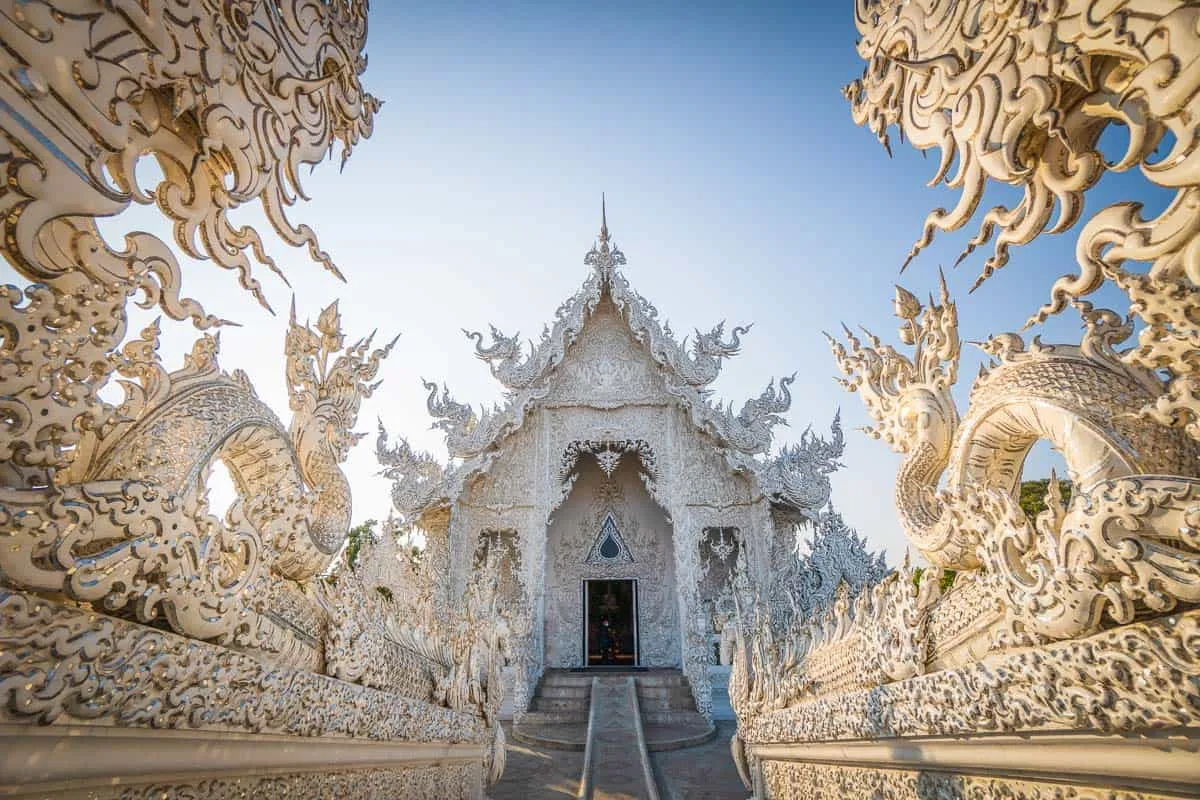
Wat Rong Khun (White Temple)
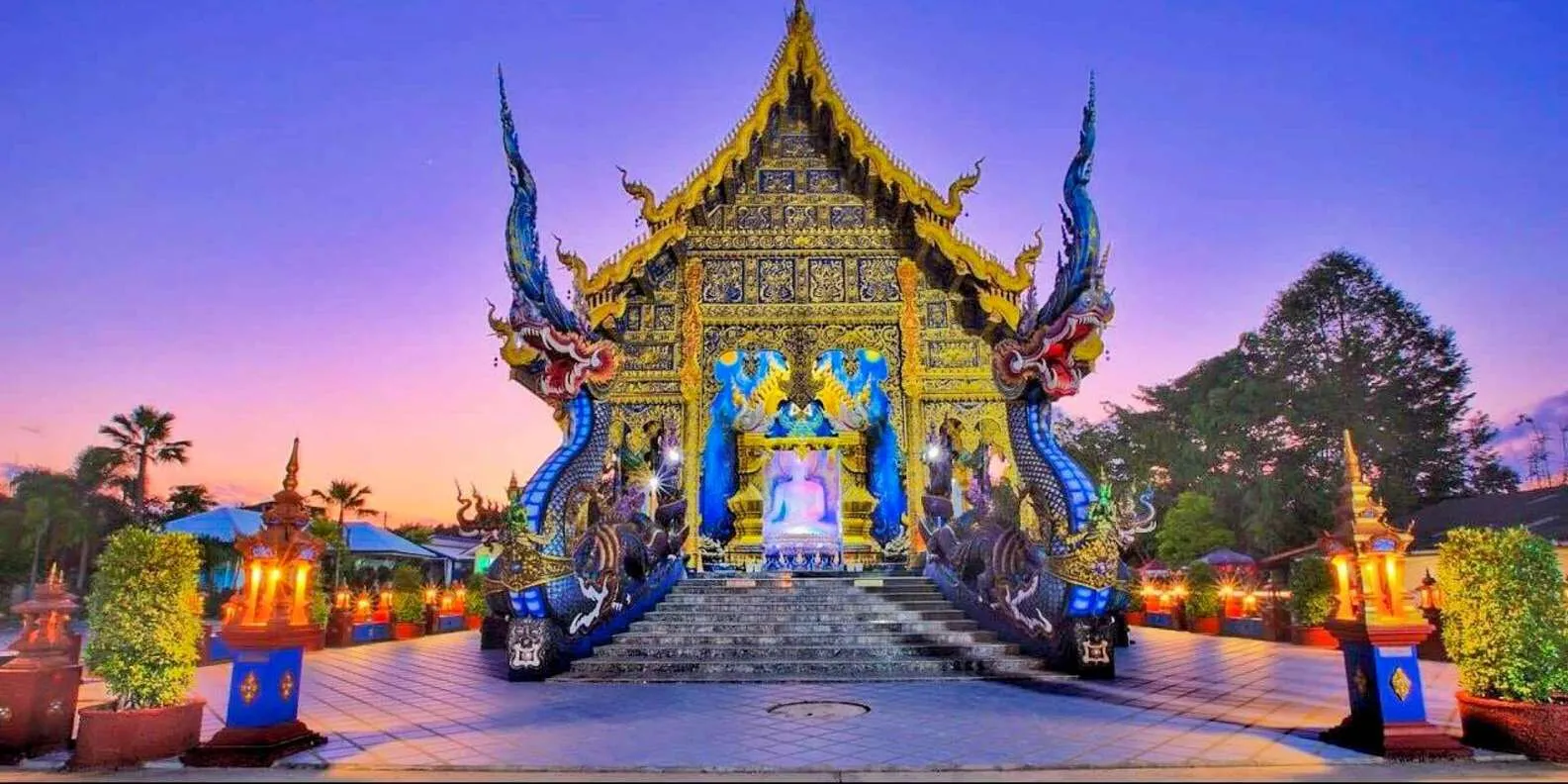
Wat Rong Suea Ten (Blue Temple)
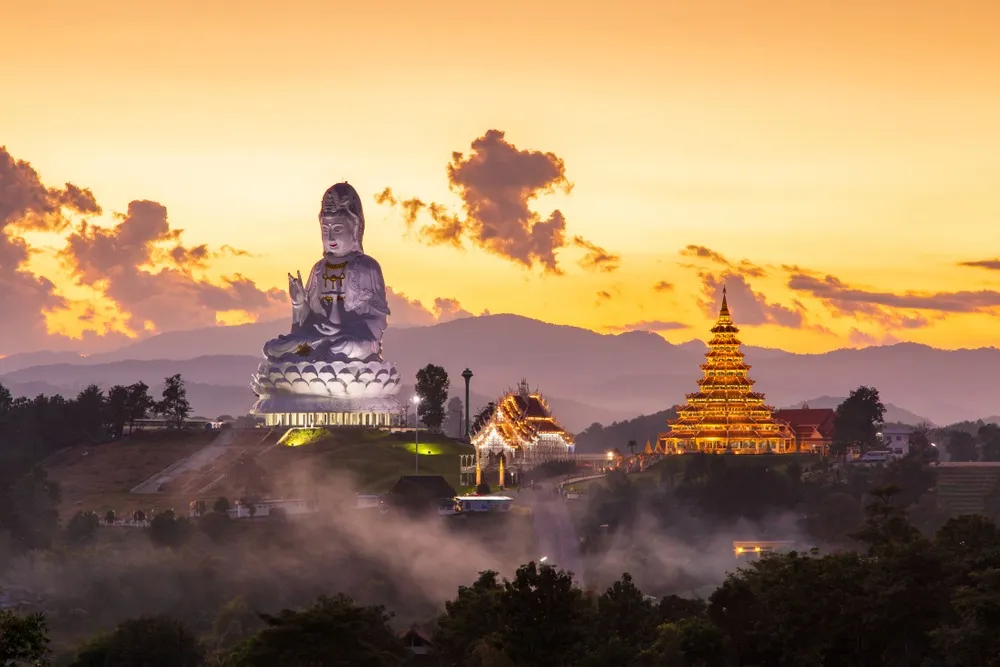
Wat Huay Pla Kang
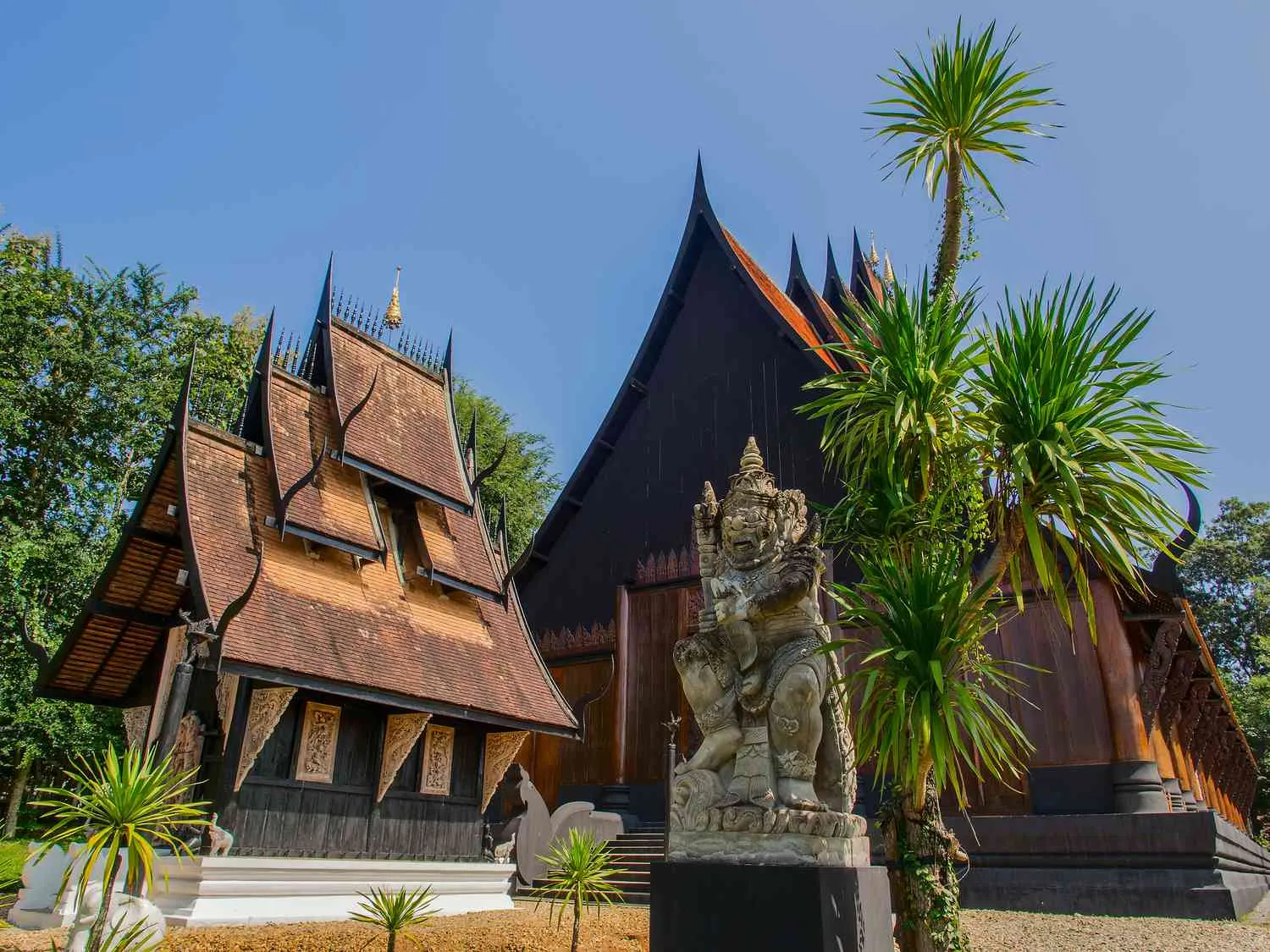
Black House (Baan Dam Museum)
These destinations are in close proximity to Doi Mae Salong and can be visited on the same trip.
Visit Information
Opening Hours
Entry Fee
Best Time to Visit
December to February
Location
Chiang Rai, Thailand
Contact
For inquiries: N/A
Best Time to Visit
Recommended: December to February
Jan
32°/21°C
peakFeb
33°/22°C
highMar
35°/24°C
highApr
36°/25°C
moderateMay
34°/25°C
lowJun
33°/25°C
lowJul
33°/25°C
lowAug
33°/25°C
lowSep
32°/24°C
lowOct
32°/24°C
moderateNov
31°/23°C
highDec
31°/21°C
peakDoi Mae Salong - Frequently Asked Questions
More mountains Spots & Nearby Attractions
Doi Inthanon
Chiang Mai, Thailand
Phu Kradueng
Loei, Thailand
Phu Chi Fa
Chiang Rai, Thailand
Phu Tub Berk
Phetchabun, Thailand
Doi Ang Khang
Chiang Mai, Thailand
Phu Hin Rong Kla
Phetchabun, Thailand
Wat Rong Khun (White Temple) — Chiang Rai
Chiang Rai, Thailand
Wat Rong Suea Ten (Blue Temple) — Chiang Rai
Chiang Rai, Thailand
Wat Huay Pla Kang — Chiang Rai
Chiang Rai, Thailand
Black House (Baan Dam Museum) — Chiang Rai
Chiang Rai, Thailand
Phu Chi Fa Nature Area — Chiang Rai
Chiang Rai, Thailand
Chiang Saen Ancient City — Chiang Rai
Chiang Rai, Thailand
Discover More About Chiang Rai
Top Picks
Also Worth Reading
Plan Your Trip Around Doi Mae Salong
Best Time to Visit Chiang Rai
Thailand Trip Ideas
Compare Doi Mae Salong & Read More
Share this destination:
