 Translate
Chiang Saen Ancient City
About Chiang Saen Ancient City
Introduction: The Historic Lanna Gateway on the Mekong
Located on the tranquil banks of the Mekong River in Chiang Rai Province, Chiang Saen Ancient City is one of Northern Thailand's oldest and most historically significant Lanna urban settlements. Founded in 1328 by King Saen Phu, the grandson of King Mangrai (the legendary founder of the Lanna Kingdom), Chiang Saen served as a formidable royal fortress, trade port, and spiritual capital guarding the northern frontier of Siam.
Situated in the heart of the Golden Triangle region near the borders of Laos and Myanmar, Chiang Saen preserves ancient red-brick earthen ramparts, defensive city moats, and over 70 ruined temples scattered both inside and outside its city walls. Celebrated for its distinct Chiang Saen-style Buddha art, bell-shaped chedis, and serene riverfront setting, it offers an authentic, uncrowded alternative to Chiang Mai and Chiang Rai.
Lanna Architectural Style & Key Historic Temples
Chiang Saen's unique architectural heritage showcases early Lanna brick craftsmanship with Sukhothai and Burmese-Shan influences:
1. Wat Pa Sak (The Forest of Teak Trees Temple)
Considered the architectural crown jewel of Chiang Saen, built in 1319 by King Saen Phu. Set outside the western city walls, its towering step-pyramidal chedi features intricate stucco relief sculptures of Buddha figures, celestial guardians, and mythical lions that remain remarkably intact under a canopy of teak trees.
2. Wat Chedi Luang
Located in the heart of the ancient city, this is Chiang Saen's largest ruined monastery. Built in the late 14th century, it features a massive 88-meter-high bell-shaped brick chedi set on a high octagonal base, surrounded by the brick pillars of its ruined assembly hall (*Wihan*).
3. Wat Phra That Chom Kitti
Perched atop a hill overlooking the Mekong River, accessible via a 350-step dragon staircase. It houses an ancient golden-slanted chedi containing sacred Buddha relics, offering sweeping views of the Mekong River, Laos, and Myanmar.
4. Chiang Saen National Museum
An essential stop for culture enthusiasts, housing world-class bronze Chiang Saen Buddha images (characterized by round faces, lotus-crest hair knobs, and plump physiques), ancient Lanna stone inscriptions, Lanna ceramics, and hill-tribe ethnographic artifacts.
Key Highlights & Attraction Summary
- 14th-Century City Ramparts: Well-preserved brick and earth defensive walls and city moats.
- Wat Pa Sak Stucco Art: Exceptional early Lanna stucco craftsmanship on a multi-tiered chedi.
- Wat Chedi Luang: Chiang Saen's tallest 88-meter ancient octagonal brick chedi.
- Mekong River Promenade: Scenic riverwalk facing Laos, ideal for evening walks and local seafood.
How to Reach Chiang Saen Ancient City
Chiang Saen is located in northernmost Chiang Rai Province, about 60 km north of Chiang Rai city.
By Bus / Songthaew from Chiang Rai
Frequent green local buses and songthaew trucks depart from **Chiang Rai Bus Terminal 1** (in downtown Chiang Rai) directly to Chiang Saen Ancient City (approx. 1 to 1.5-hour drive, costing 40–60 THB).
By Air via Chiang Rai Airport
The nearest airport is **Mae Fah Luang - Chiang Rai International Airport (CEI)**, located 50 km south. Private taxis, rental cars, or tour shuttles reach Chiang Saen in about 45 to 60 minutes via Highway 1 and Route 1016.
Getting Around the Ancient City
The ancient city layout inside the walls is flat and compact. **Renting a bicycle** (approx. 50 THB/day) or scooter is the most enjoyable way to explore the scattered brick ruins and riverfront paths.
Best Time to Visit
Weather conditions and river lighting vary across seasons in Northern Thailand.
Best Season: Cool Dry Season (November to February)
Brings crisp, dry air, sunny skies, and cool morning mist along the Mekong River (15°C–28°C). Perfect for cycling among forest ruins and riverbank strolls.
Best Time of Day (Early Morning & Late Afternoon)
Explore ruins between **08:00 AM and 10:30 AM** before afternoon heat, or stroll the Mekong promenade after **04:30 PM** to watch sunset light over the mountains of Laos.
Top Nearby Attractions
1. Golden Triangle (Sop Ruak) (9 km north)
The famous geographic confluence of the Ruak and Mekong Rivers where the borders of Thailand, Laos, and Myanmar meet, featuring the Hall of Opium museum and giant golden Buddha boat.
2. Wat Phra That Pha Ngao (4 km south)
An active, revered hilltop temple complex featuring ancient stone Buddhas, white chedis, and the Skywalk viewpoint overlooking the Mekong Valley.
3. Chiang Saen Lake (Nong Bong Kai Non-Hunting Area) (5 km southwest)
A large natural lake and wetland sanctuary popular for birdwatching migratory waterfowl from November to February.
Things to Do at Chiang Saen Ancient City
- Cycle Through Wat Pa Sak Teak Forest: Ride among ancient brick chedis surrounded by towering teak trees.
- Visit Chiang Saen National Museum: Admire masterwork bronze Lanna Buddha statues and ancient stone inscriptions.
- Walk the Mekong River Promenade: Enjoy evening strolls along the river facing Laos and sample street food.
- Hike up Wat Phra That Chom Kitti: Climb the 350-step dragon staircase for panoramic vistas over the Mekong basin.
Local Food and Culinary Delights
Chiang Saen offers a delightful blend of Northern Thai (Lanna) and Mekong riverfront dining.
Must-Try Culinary Specialties
- Fresh Mekong River Fish Dishes: Charcoal-grilled tilapia or spicy *Larb Pla* (herbal fish salad) served at riverfront restaurants.
- Khao Soi: Rich, fragrant Northern Thai coconut curry noodle soup served with chicken or beef, crispy egg noodles, lime, and pickled mustard greens.
- Sai Oua (Northern Thai Herb Sausage): Spicy grilled pork sausage seasoned with kaffir lime, lemongrass, and red curry paste.
- Nam Prik Ong & Sticky Rice: Mild Northern tomato and minced pork chili dip paired with fresh vegetables and sticky rice.
Where to Stay: Accommodation Options
Chiang Saen provides serene riverfront resorts and budget guesthouses along the Mekong.
Riverside Resorts & Hotels ($40 – $180 USD / 1,400 – 6,000 THB per night)
- Athita The Hidden Court Chiang Saen / Siam Triangle Hotel / Gin's Resort: Charming boutique properties offering swimming pools, Lanna teak architecture, and direct views of the Mekong River.
Budget Guesthouses ($15 – $35 USD / 500 – 1,200 THB per night)
- Riverfront streets and city alleys feature clean, family-run guesthouses and bicycle-friendly homestays.
Budget Travel Guide for Chiang Saen
- Free / Cheap Ruin Entry: Most historic temple ruins in Chiang Saen are free to explore; Wat Pa Sak charges a nominal entry fee of **50 THB** ($1.50 USD).
- Cheap Bus Transit: Taking the green local bus from Chiang Rai costs under **50 THB** ($1.50 USD) each way.
- Rent a Bicycle: Renting a bicycle (50 THB/day) is the most budget-friendly way to explore all ruins inside and outside the walls.
Sample 1-Day Itinerary
- 08:00 AM: Take the local bus from Chiang Rai Bus Terminal 1 to Chiang Saen.
- 09:15 AM: Arrive in Chiang Saen; rent a bicycle near the main bus stop.
- 09:30 AM: Explore **Wat Pa Sak** and admire its well-preserved Lanna stucco chedi carvings.
- 11:00 AM: Visit **Wat Chedi Luang** and the **Chiang Saen National Museum** to see bronze Lanna Buddha masterworks.
- 01:00 PM: Enjoy a lunch of *Khao Soi* and fresh fruit smoothie at a local town eatery.
- 02:30 PM: Cycle out to **Wat Phra That Chom Kitti** to climb the dragon stairs for Mekong viewpoints.
- 05:00 PM: Return to the Mekong River Promenade to enjoy grilled river fish and coconut water at sunset before returning to Chiang Rai.
Essential Rules and Visitor Guidelines
- Respectful Dress Code: Shoulders and knees must be covered when exploring ancient temple ruins and active shrines.
- Preserve Ancient Stucco & Bricks: Do not climb, lean on, or touch fragile ancient brick walls, chedis, or Buddha statues.
- Sun Protection & Hydration: Carry a sun hat, sunglasses, sunscreen, and plenty of drinking water while cycling between ruins.
Frequently Asked Questions (FAQs)
1. Where is Chiang Saen Ancient City located?
Chiang Saen Ancient City is located on the Mekong River in Chiang Saen District, Chiang Rai Province, Northern Thailand, about 60 km north of Chiang Rai city.
2. Why is Chiang Saen historically significant?
Founded in 1328, it was a major royal Lanna fortress city and trade hub that developed a distinct style of Lanna Buddha art and architecture.
3. How do you get to Chiang Saen from Chiang Rai?
Take a 1 to 1.5-hour local bus or songthaew from Chiang Rai Bus Terminal 1 directly to Chiang Saen (approx. 40–60 THB).
4. What is the most famous temple in Chiang Saen?
**Wat Pa Sak**, famous for its preserved multi-tiered chedi adorned with 14th-century Lanna stucco carvings under a teak forest canopy.
5. What is the Golden Triangle and how far is it from Chiang Saen?
The Golden Triangle (Sop Ruak) is where Thailand, Laos, and Myanmar meet along the Mekong River, located just 9 km north of Chiang Saen.
6. How much are entrance fees for Chiang Saen ruins?
Most temple ruins are free to visit; Wat Pa Sak charges **50 THB** for foreign visitors, and the museum charges **100 THB**.
7. What local food should I try in Chiang Saen?
Must-try dishes include grilled Mekong river fish, *Khao Soi* curry noodles, *Sai Oua* (Northern pork sausage), and *Larb Pla*.
8. Is a dress code enforced?
Yes, modesty rules apply—shoulders and knees must be covered when exploring ancient temple grounds.
9. What is the best way to get around Chiang Saen Ancient City?
Renting a bicycle (approx. 50 THB/day) is the most convenient, peaceful, and popular way to explore the flat ancient town.
10. What is the best season to visit Chiang Saen?
The cool dry season from **November to February** offers optimal sunny weather, cool morning breezes, and pleasant cycling conditions.
Conclusion
Chiang Saen Ancient City stands as Northern Thailand's serene Lanna treasure, where 14th-century brick ramparts, Wat Pa Sak stucco chedis, world-class bronze Buddha art at the National Museum, and scenic Mekong river vistas converge near the Golden Triangle. From cycling through teakwood forest ruins and climbing Wat Phra That Chom Kitti to savoring grilled Mekong fish and watching sunsets over Laos, Chiang Saen delivers an unmissable heritage journey. Plan your trip, rent a bicycle, and discover Chiang Saen Ancient City!
Photo Gallery
What you'll experience
- 1
Exploring Lanna ruins
- 2
Walking beside ancient walls
- 3
Visiting Mekong River viewpoints
- 4
Learning early Thai history
Nearby Destinations
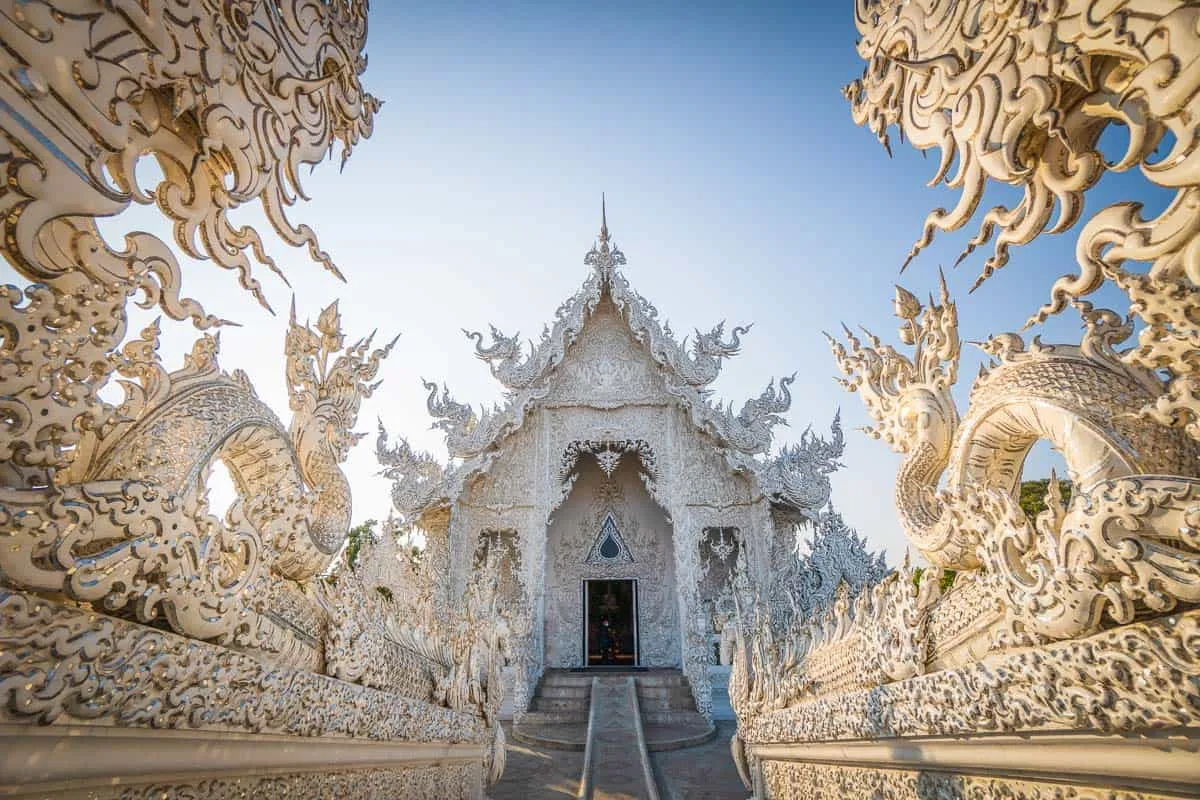
Wat Rong Khun (White Temple)
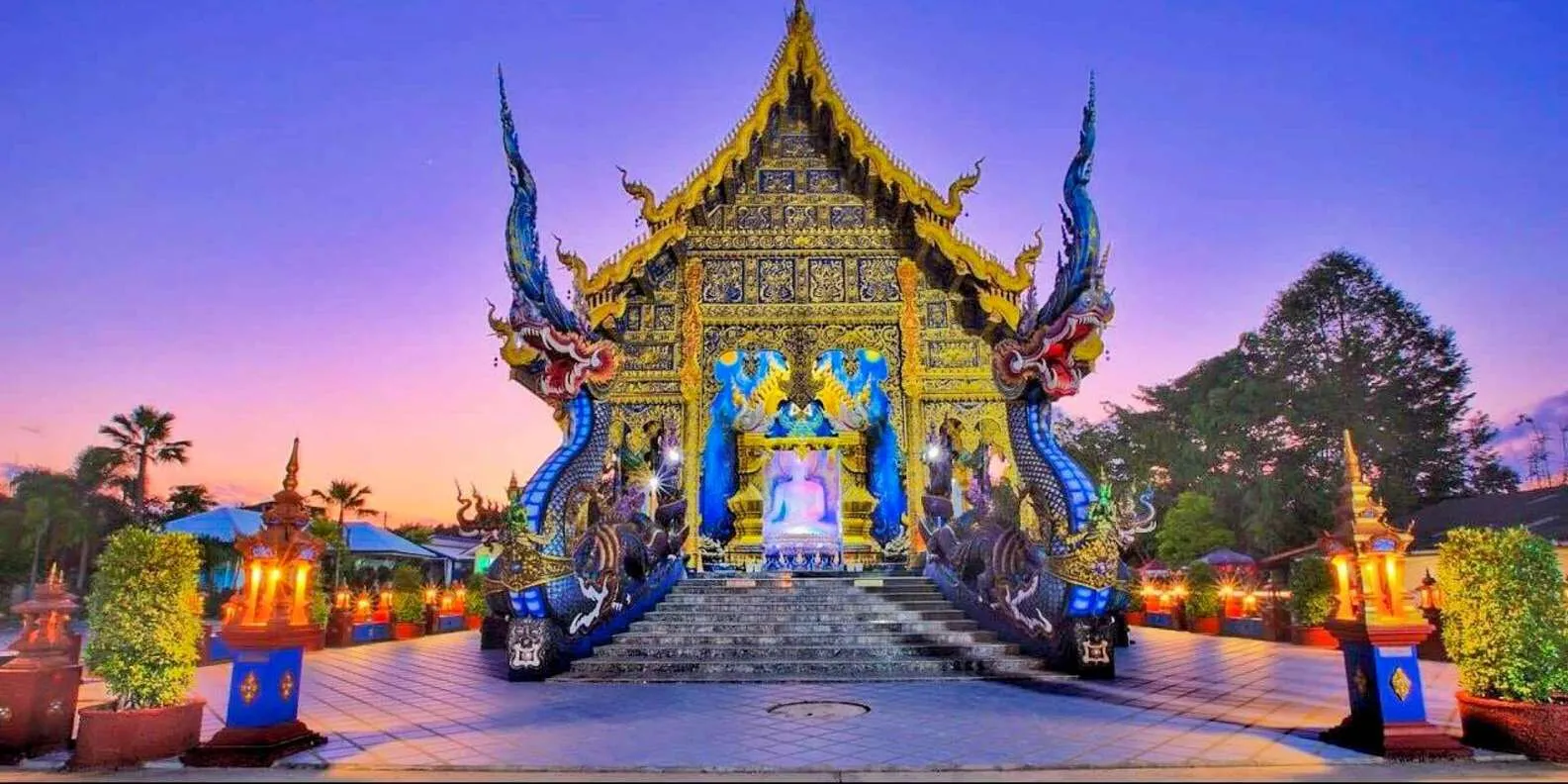
Wat Rong Suea Ten (Blue Temple)

Wat Huay Pla Kang
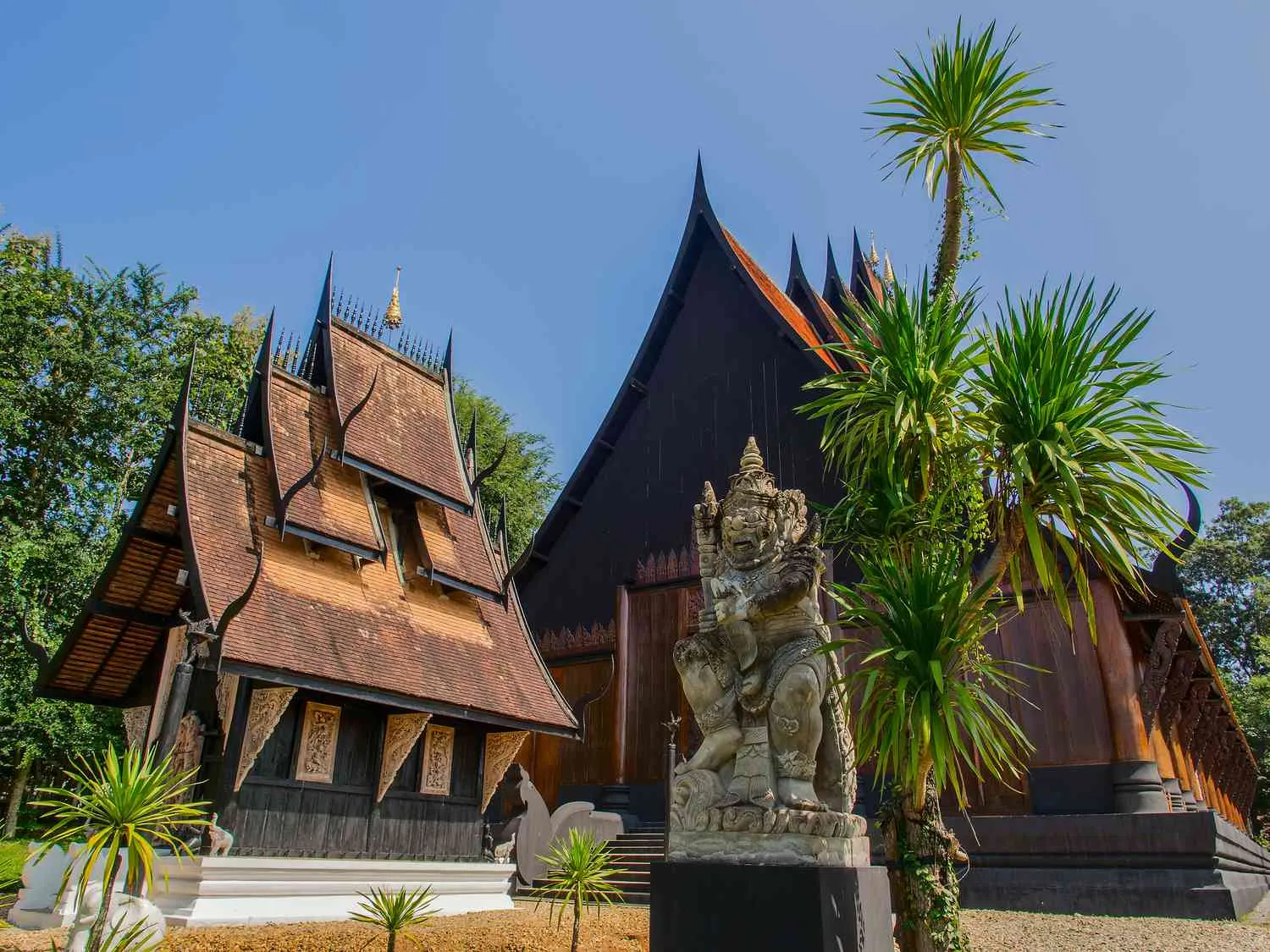
Black House (Baan Dam Museum)
These destinations are in close proximity to Chiang Saen Ancient City and can be visited on the same trip.
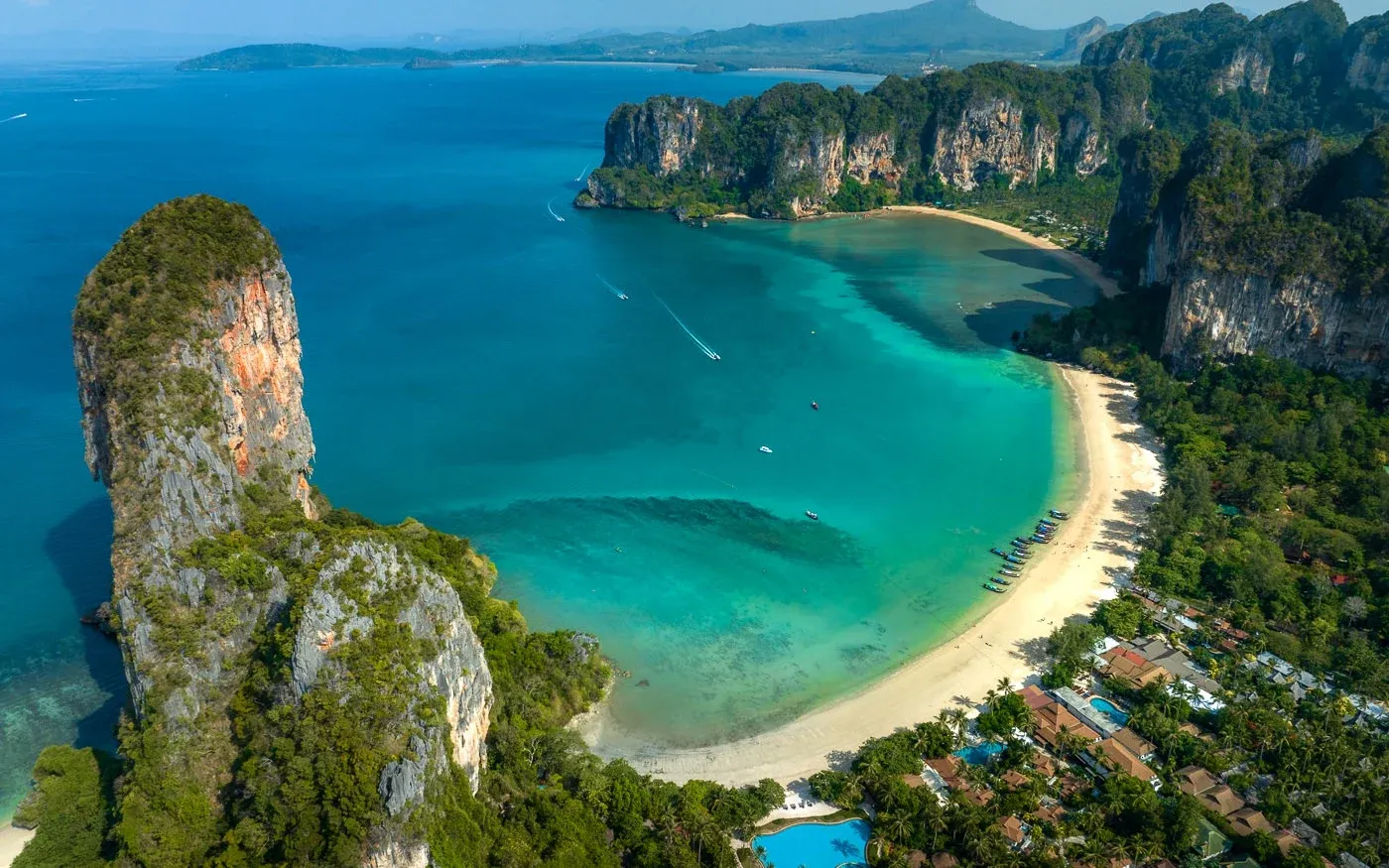
Visit Information
Opening Hours
Entry Fee
Best Time to Visit
November to February
Location
Chiang Rai, Thailand
Contact
For inquiries: N/A
Best Time to Visit
Recommended: November to February
Jan
32°/21°C
peakFeb
33°/22°C
highMar
35°/24°C
highApr
36°/25°C
moderateMay
34°/25°C
lowJun
33°/25°C
lowJul
33°/25°C
lowAug
33°/25°C
lowSep
32°/24°C
lowOct
32°/24°C
moderateNov
31°/23°C
highDec
31°/21°C
peakChiang Saen Ancient City - Frequently Asked Questions
More historical Spots & Nearby Attractions
Kanchanaburi
Western Thailand
Ayutthaya Historical Park
Ayutthaya, Thailand
Sukhothai Historical Park
Sukhothai, Thailand
Ancient City (Muang Boran)
Samut Prakan, Thailand
Bang Pa-In Royal Palace
Ayutthaya, Thailand
Jim Thompson House
Bangkok, Thailand
Wat Rong Khun (White Temple) — Chiang Rai
Chiang Rai, Thailand
Wat Rong Suea Ten (Blue Temple) — Chiang Rai
Chiang Rai, Thailand
Wat Huay Pla Kang — Chiang Rai
Chiang Rai, Thailand
Black House (Baan Dam Museum) — Chiang Rai
Chiang Rai, Thailand
Phu Chi Fa — Chiang Rai
Chiang Rai, Thailand
Doi Mae Salong — Chiang Rai
Chiang Rai, Thailand
Discover More About Chiang Rai
Top Picks
Also Worth Reading
Plan Your Trip Around Chiang Saen Ancient City
Best Time to Visit Chiang Rai
Thailand Trip Ideas
Compare Chiang Saen Ancient City & Read More
Share this destination:
