 Translate
Death Railway Museum
About Death Railway Museum
Introduction: The Premier Memorial to the Thai-Burma Railway
Located in central Kanchanaburi town directly opposite the Kanchanaburi War Cemetery (Don-Rak), the Death Railway Museum (officially known as the Thailand-Burma Railway Centre) is widely recognized as Thailand's most comprehensive, meticulously researched, and emotionally powerful World War II history museum. Opened in 2003, this privately funded research and educational institution is dedicated to preserving the history of the 415-kilometer Thai-Burma Railway constructed between 1942 and 1943 under Japanese military occupation.
Designed and managed by Australian historian Rod Beattie, the museum tells the harrowing story of over 60,000 Allied Prisoners of War (POWs) and more than 180,000 Asian civilian laborers (*Rusha*) who were forced into brutal labor under horrific tropical conditions. Through interactive exhibits, original artifacts, meticulous scale models, and personal diaries, the center provides a deeply moving historical context for any visit to Kanchanaburi.
Key Exhibition Galleries & Core Historical Themes
The museum's air-conditioned, two-story exhibition space is organized chronologically and thematic to guide visitors through every stage of the railway's construction:
1. Timeline & Strategic Context
Exhibits detail the geopolitical background of WWII in Southeast Asia, explaining why the Japanese Imperial Army sought an overland supply line from Thailand to Myanmar to support their frontline operations against British and Allied forces in India.
2. Planning, Engineering & Construction
Displays feature detailed engineering maps, surveys, and scale models illustrating how 415 kilometers of track, massive earthworks, and hundreds of wooden trestle bridges were cut through dense jungle and solid limestone mountains using primitive hand tools.
3. Conditions of Labor & Medical Care
A poignant collection of authentic artifacts—including hand-forged tools, mess tins, makeshift surgical instruments, and medical logs—illustrates the daily fight for survival against starvation, cholera, malaria, dysentery, and tropical ulcers during the forced-pace "Speedo" period of 1943.
4. Personal Stories & The Aftermath
Features personal letters, secret POW sketches, uniforms, and diary entries alongside records of the war graves, postwar railway dismantling, and the building of Commonwealth war cemeteries like Don-Rak across the road.
Key Highlights & Attraction Summary
- World-Class Historical Displays: Internationally acclaimed, objective research detailing both POW and Asian laborer (*Rusha*) history.
- Interactive Scale Models: High-precision models of famous railway cuttings and wooden trestle bridges.
- Personal POW Artifact Collection: Authentic secret artwork, diaries, tools, and medical instruments from the camps.
- Overlooking Kanchanaburi War Cemetery: Second-floor museum cafe offering quiet, reflective views over Don-Rak War Cemetery.
How to Reach the Death Railway Museum
The museum is centrally located along Saeng Chuto Road in central Kanchanaburi town.
By Train from Bangkok
Passenger trains depart twice daily from Bangkok's **Thonburi Railway Station** directly to **Kanchanaburi Railway Station** (approx. 2.5 to 3 hours, costing 100 THB for third-class foreign tickets). From Kanchanaburi station, the museum is located just 200 meters away—a 3-minute flat walk across the main road.
By Bus / Minivan from Bangkok
Air-conditioned minivans depart regularly from Bangkok's **Mochit Bus Terminal** or **Southern Bus Terminal (Sai Tai Mai)** to Kanchanaburi Bus Terminal (approx. 2 hours, 100–150 THB). From the bus terminal, a short 5-minute songthaew or tuk-tuk ride reaches the museum.
By Private Car / Taxi
Driving via Highway 4 and Highway 323 takes about 1.5 to 2 hours from central Bangkok.
Best Time to Visit
Operating hours and tour planning guidelines for a comfortable visit.
Opening Hours & Schedule
The museum is open daily from **09:00 AM to 05:00 PM** (open year-round including public holidays).
Best Time of Day (Morning)
Visit between **09:00 AM and 11:30 AM** to explore the air-conditioned museum galleries before paying respects at the open-air **Kanchanaburi War Cemetery** across the street before peak midday heat.
Top Nearby Attractions
1. Kanchanaburi War Cemetery (Don-Rak) (Directly opposite)
The immaculate Commonwealth War Graves cemetery holding the graves of 6,982 Allied soldiers who died constructing the Death Railway.
2. Bridge on the River Kwai (3 km north)
The famous active WWII railway bridge spanning the Khwae Yai River, accessible via a short 5-minute songthaew ride.
3. Hellfire Pass Memorial Complex (80 km northwest)
The sacred walking trail through the 17-meter deep limestone rock cutting excavated by hand by Allied POWs in 1943.
Things to Do at the Death Railway Museum
- Explore Nine Thematic Galleries: Walk through interactive exhibits detailing the railway's construction and human impact.
- Study Reliquaries & Artifacts: View secret sketches, improvised medical tools, and personal belongings preserved from the camps.
- Reflect at the Second-Floor Cafe: Enjoy a quiet beverage overlooking the manicured grounds of Don-Rak War Cemetery.
- Visit Kanchanaburi War Cemetery: Cross the street after your museum visit to walk among the headstones of fallen Allied soldiers.
Local Food and Culinary Delights
Central Kanchanaburi offers diverse dining, from local street food markets to riverside restaurants.
Must-Try Culinary Specialties
- Kanchanaburi Jungle Curry (Gaeng Pa): A fiery, aromatic curry made without coconut milk, filled with local herbs and river fish.
- Fried Kwai River Fish with Garlic: Crispy whole river snapper or catfish served with seafood chili-lime dip.
- Town Night Market Eats: Mango sticky rice, grilled pork skewers (*Moo Ping*), and iced Thai milk tea at the nearby night market by the railway station.
Where to Stay: Accommodation Options
Kanchanaburi town features cozy guesthouses and floating river resorts.
Riverside & Town Hotels ($25 – $120 USD / 800 – 4,000 THB per night)
- U Inchantree Kanchanaburi / Good Times Resort / Felix River Kwai Resort: Comfortable hotels offering swimming pools, lush riverfront views, and easy access to the Death Railway Museum and River Kwai Bridge.
Budget Travel Guide
- Admission Ticket Rates: Entrance tickets are approximately **160 THB for foreign adults** (80 THB for children), which includes access to all galleries and research resources.
- Cheap Train Travel: Taking the train from Bangkok's Thonburi station costs just **100 THB** ($3 USD) each way.
- Walkable Historical Quarter: The museum, train station, and Don-Rak War Cemetery are all within 200 meters of each other, eliminating local taxi costs.
Sample 1-Day Itinerary
- 07:50 AM: Catch the morning train from Bangkok Thonburi Station to Kanchanaburi.
- 10:30 AM: Arrive at Kanchanaburi Station; walk 200 meters to the **Death Railway Museum (TBRC)**.
- 10:45 AM: Explore the museum's nine thematic galleries and view personal POW artifacts and scale models.
- 12:30 PM: Cross the street to pay respects at **Kanchanaburi War Cemetery (Don-Rak)**.
- 01:15 PM: Enjoy a local lunch of jungle curry or boat noodles at a nearby town eatery.
- 02:30 PM: Take a 5-minute songthaew north to walk across the historic **Bridge on the River Kwai**.
- 04:30 PM: Enjoy drinks at a floating river cafe before catching the evening return train or bus to Bangkok.
Essential Rules and Visitor Guidelines
- Solemn Decorum Required: Maintain quiet, respectful behavior throughout the museum and war cemetery grounds out of respect for WWII victims.
- Photography Protocol: Photography without flash is generally permitted inside main galleries, but video recording and commercial filming are restricted.
- Allow Adequate Time: Allocate at least **1.5 to 2 hours** to thoroughly read the historical displays and view artifacts.
Frequently Asked Questions (FAQs)
1. Where is the Death Railway Museum located?
The Death Railway Museum (Thailand-Burma Railway Centre) is located in central Kanchanaburi town, Thailand, directly opposite Kanchanaburi War Cemetery and 200 meters from the train station.
2. What is the difference between this museum and the JEATH War Museum?
The Death Railway Museum (TBRC) is an air-conditioned, world-class educational research facility with extensive text, maps, and artifacts. The JEATH War Museum is an outdoor bamboo-hut museum located near the riverbank.
3. How much is the entrance fee for the Death Railway Museum?
Admission is approximately **160 THB for foreign adults** and 80 THB for children under 14.
4. What are the museum's opening hours?
The museum is open daily from **09:00 AM to 05:00 PM** year-round.
5. How long should you spend at the Death Railway Museum?
Plan for **1.5 to 2.5 hours** to fully read the exhibition panels and view the artifact displays.
6. How do you reach the museum from Bangkok?
Take a 2.5-hour train from Bangkok Thonburi Station directly to Kanchanaburi Station, or an AC minivan from Mochit / Southern Bus Terminal.
7. Is the museum accessible for wheelchairs?
Yes, the museum features ramps, spacious elevator access, and air-conditioned galleries suitable for visitors with mobility needs.
8. What nearby sites can you visit on the same day?
Kanchanaburi War Cemetery (Don-Rak), the Bridge on the River Kwai, and JEATH War Museum are all located nearby in town.
9. What local food should I try in Kanchanaburi?
Kanchanaburi jungle curry (*Gaeng Pa*), fresh fried river fish, and mango sticky rice at the night market.
10. What is the best season to visit Kanchanaburi?
The cool dry season from **November to February** offers pleasant temperatures for exploring indoor museums and outdoor war cemeteries.
Conclusion
The Death Railway Museum stands out as Kanchanaburi's essential historical compass, where rigorous historical research, authentic POW artifacts, personal survival diaries, and quiet reflection over Don-Rak War Cemetery converge in Western Thailand. From studying scale models of railway cuttings and reading secret POW journals to crossing the street to honor fallen soldiers and visiting the Bridge on the River Kwai, this museum delivers an unmissable and humbling educational journey. Plan your visit, take the train, and explore the Death Railway Museum Kanchanaburi!
Photo Gallery
What you'll experience
- 1
Learning WWII railway history
- 2
Viewing artifacts & exhibits
- 3
Museum tours
- 4
Visiting nearby war cemetery
Nearby Destinations
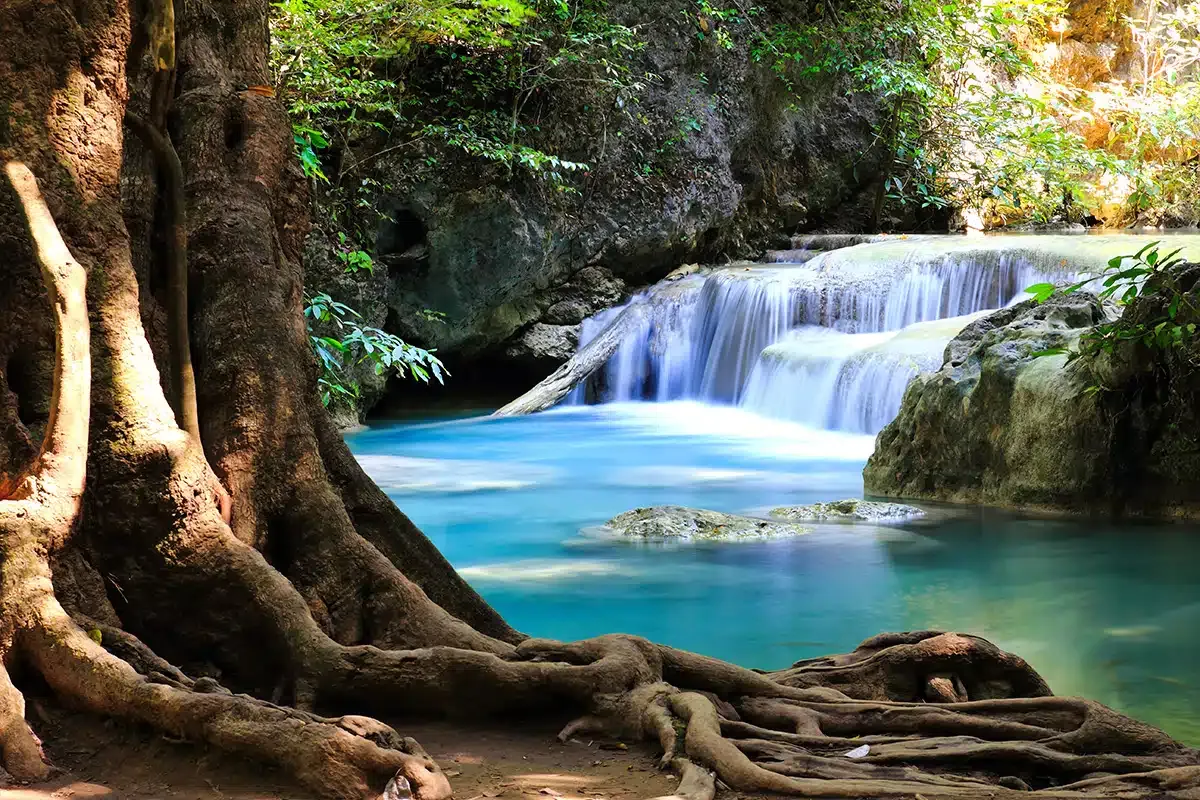
Erawan National Park
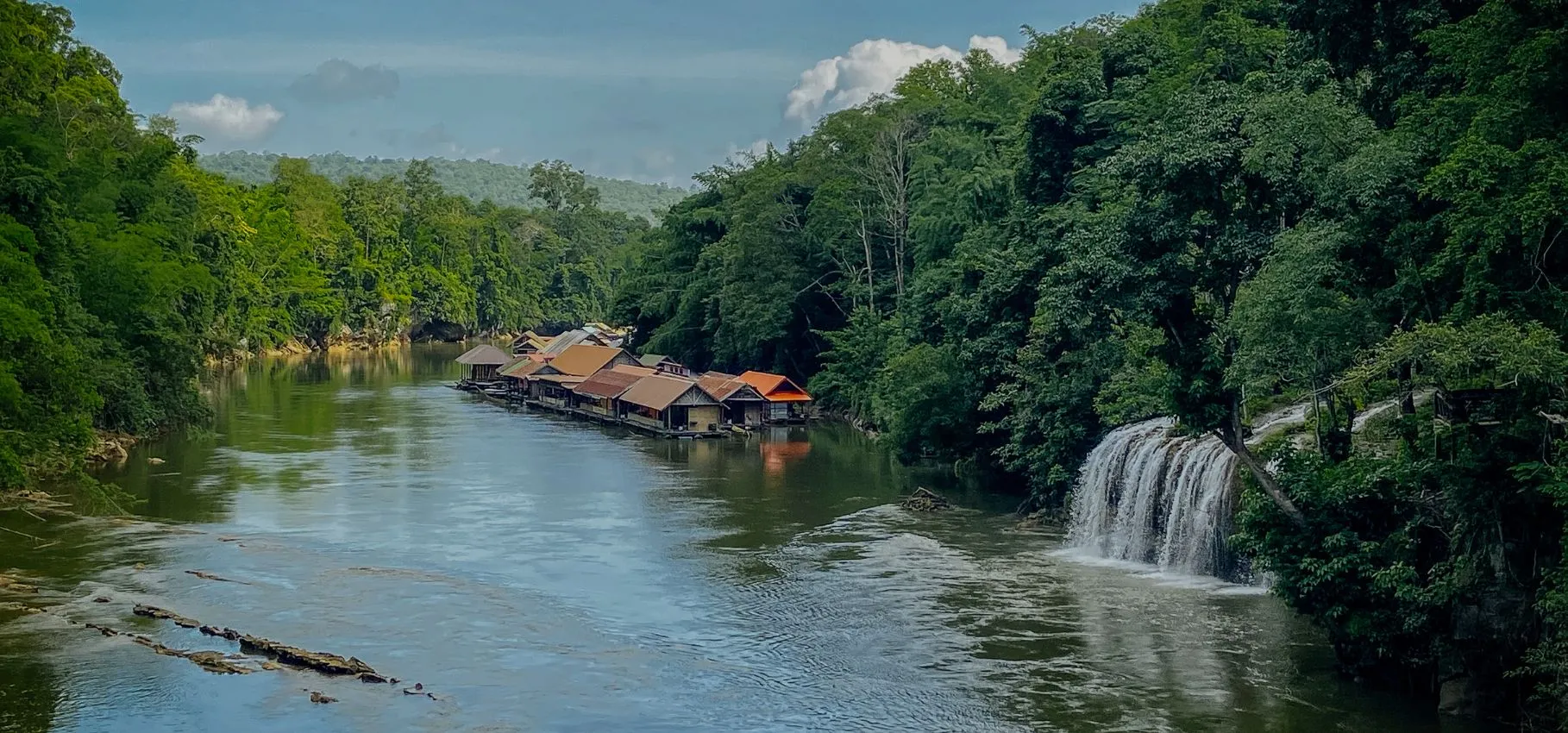
Sai Yok National Park
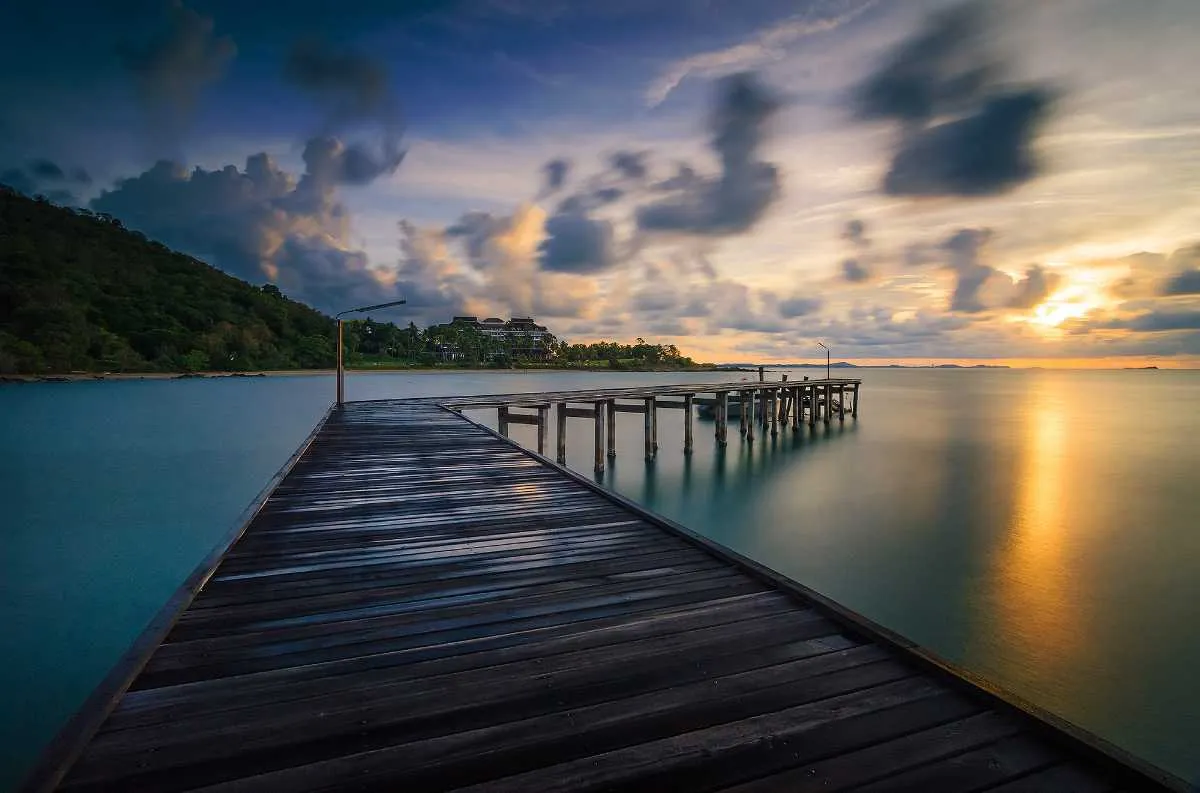
Khao Laem National Park

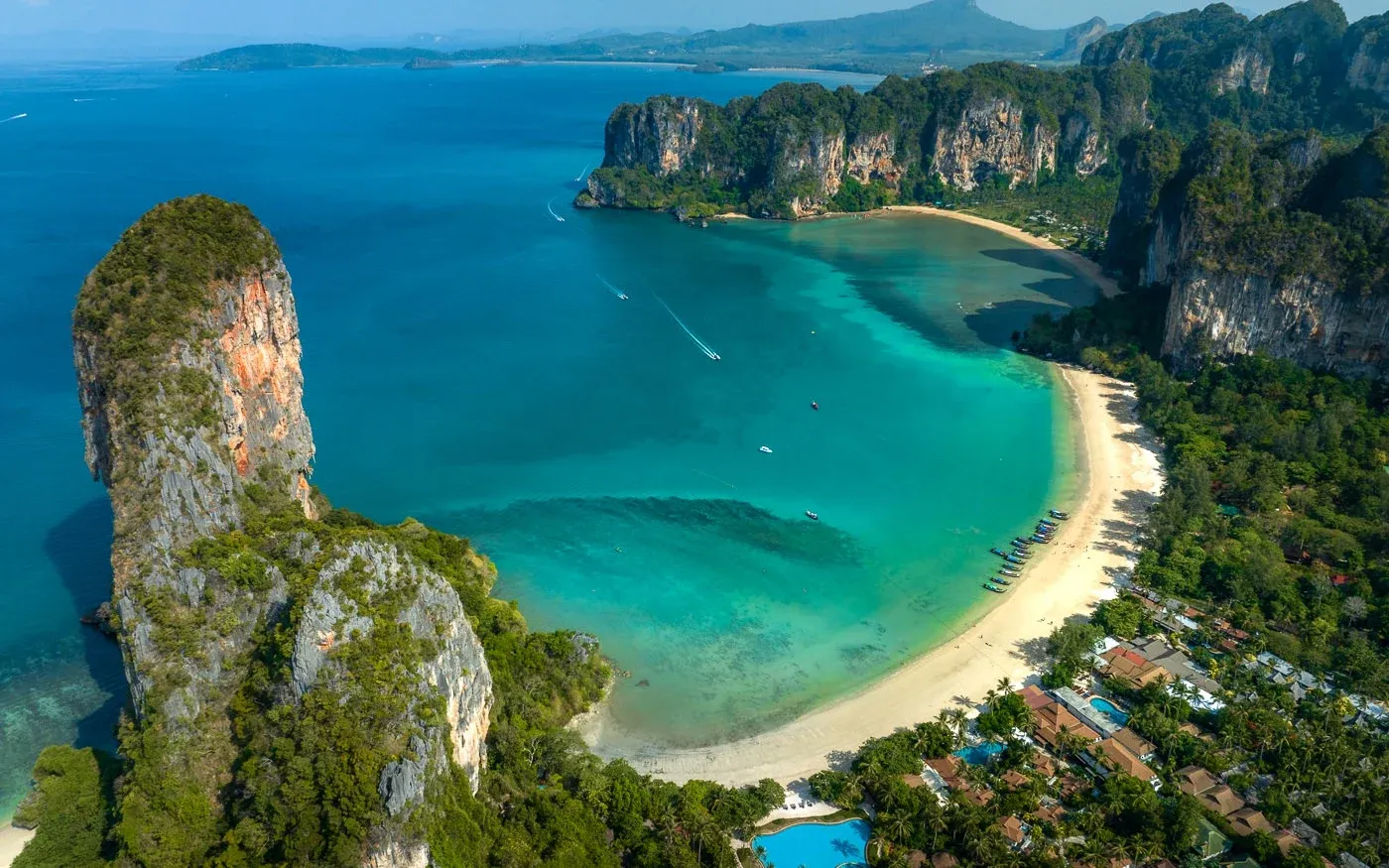
Hellfire Pass Memorial
These destinations are in close proximity to Death Railway Museum and can be visited on the same trip.
Visit Information
Opening Hours
Entry Fee
Best Time to Visit
November to February
Location
Kanchanaburi, Thailand
Contact
For inquiries: N/A
Best Time to Visit
Recommended: November to February
Jan
32°/21°C
peakFeb
33°/22°C
highMar
35°/24°C
highApr
36°/25°C
moderateMay
34°/25°C
lowJun
33°/25°C
lowJul
33°/25°C
lowAug
33°/25°C
lowSep
32°/24°C
lowOct
32°/24°C
moderateNov
31°/23°C
highDec
31°/21°C
peakDeath Railway Museum - Frequently Asked Questions
More historical Spots & Nearby Attractions
Kanchanaburi
Western Thailand
Ayutthaya Historical Park
Ayutthaya, Thailand
Sukhothai Historical Park
Sukhothai, Thailand
Ancient City (Muang Boran)
Samut Prakan, Thailand
Bang Pa-In Royal Palace
Ayutthaya, Thailand
Jim Thompson House
Bangkok, Thailand
Erawan National Park — Kanchanaburi
Kanchanaburi, Thailand
Sai Yok National Park — Kanchanaburi
Kanchanaburi, Thailand
Khao Laem National Park — Kanchanaburi
Kanchanaburi, Thailand
Discover More About Kanchanaburi
Top Picks
Also Worth Reading
Plan Your Trip Around Death Railway Museum
Best Time to Visit Kanchanaburi
Thailand Trip Ideas
Compare Death Railway Museum & Read More
Share this destination:
