Thai Etiquette & Cultural Tips
Understanding Thai culture and customs will greatly enrich your travel experience. Thai people are warm and forgiving of cultural missteps, but showing respect goes a long way.
The Wai Greeting
The traditional Thai greeting (wai) involves pressing your palms together at chest level and bowing slightly. You don't need to wai everyone — return a wai when someone greets you this way, but you don't need to wai service staff or children.
Temple Etiquette
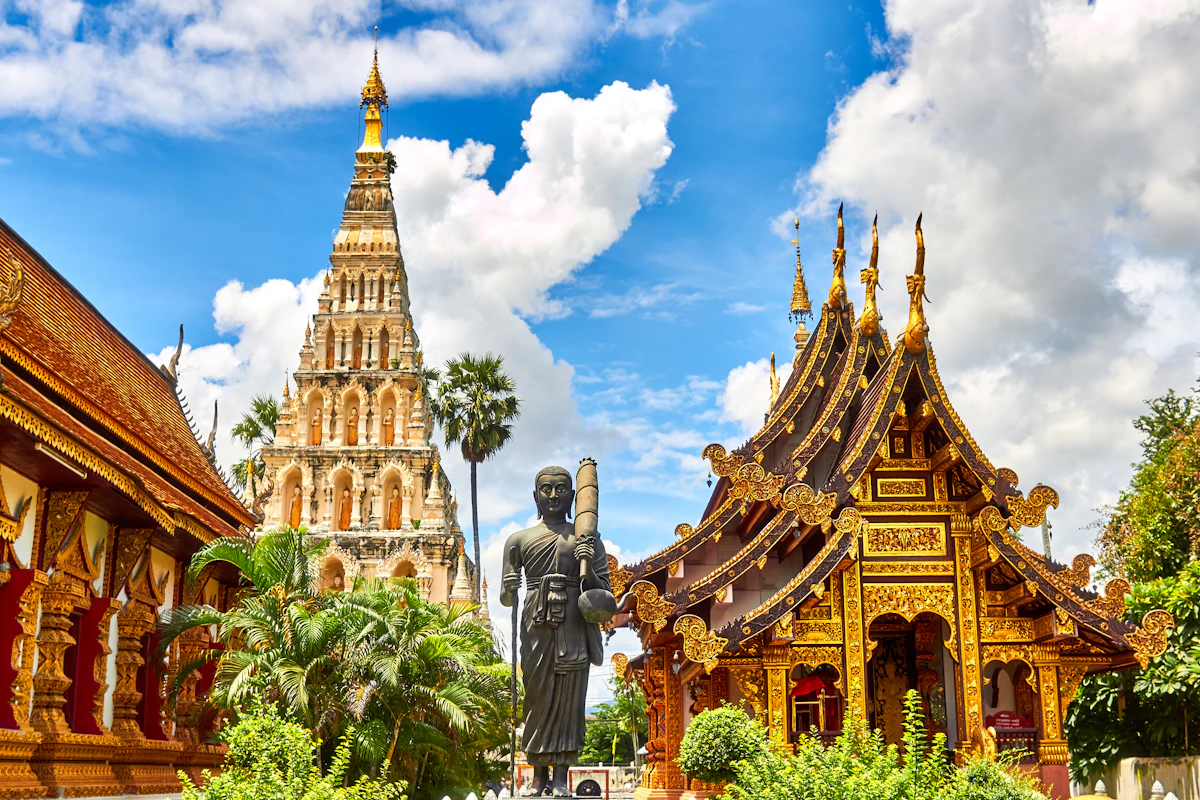
Remove shoes before entering temple buildings. Cover shoulders and knees — no shorts, tank tops, or revealing clothing. Women should never touch a monk or hand items directly to them. Sit with feet pointed away from Buddha images.
Respect for the Royal Family
The Thai royal family is deeply revered. Lèse-majesté laws make it illegal to insult or criticize the monarchy. Stand when the royal anthem plays (before movies in cinemas). Never step on Thai currency — it bears the King's image.
Social Customs
The head is considered sacred — never touch someone's head. Feet are considered the lowest part of the body — don't point them at people or religious objects. Public displays of anger are frowned upon; Thais value keeping "face" and staying calm.
Dining Etiquette
Thai food is typically eaten with a spoon (right hand) and fork (left hand) — chopsticks are mainly for noodle soups. It's polite to let the eldest person at the table start eating first. Tipping is appreciated but not obligatory (10-20 THB at restaurants).
Thai Etiquette & Cultural Tips - FAQ
More Travel Tips
Ultimate Thailand Packing List
Packing for Thailand requires balancing light, breathable clothing with practica
Common Thailand Scams & How to Avoid Them
Thailand is generally very safe for tourists, but like any popular destination,
Thailand Money & Budget Tips
Thailand offers incredible value for money, but knowing how to manage your finan
Getting Around Thailand – Transport Guide
Thailand has an extensive and affordable transportation network. From modern sky