 Translate
Wat Yai Chai Mongkhon
About Wat Yai Chai Mongkhon
Introduction: The Monument of Royal Victory
Situated in the southeastern corner of Phra Nakhon Si Ayutthaya Province, just outside the central island city, Wat Yai Chai Mongkhon (meaning "The Monastery of Auspicious Victory") is one of Ayutthaya's most striking, active, and architecturally complete ancient temple complexes. Founded in 1357 by King U-Thong (the first monarch of the Ayutthaya Kingdom) to accommodate monks returning from religious studies in Sri Lanka, it was originally named Wat Pa Kaeo.
Renamed Wat Yai Chai Mongkhon in 1592 following King Naresuan the Great's legendary victory in single combat on elephant-back against the Burmese Crown Prince, this magnificent complex is famous for its towering central bell-shaped chedi, long rows of stone Buddha statues draped in vibrant saffron robes, and a massive outdoor reclining Buddha.
Architectural Masterpieces & Historic Highlights
Wat Yai Chai Mongkhon's landscape offers a blend of historical monumentality and active Buddhist worship:
1. Phra Chedi Chaimongkhon (The Great Victory Stupa)
The undisputed centerpiece of the monastery is the soaring bell-shaped chedi constructed by King Naresuan the Great in 1592. Designed to rival and surpass the Burmese-style Phra Chedi Sri Suriyothai, its massive square base and steep brick staircases allow visitors to climb up to a high viewing gallery for panoramic views over the surrounding temple gardens.
2. The Saffron-Draped Buddha Galleries
Surrounding the Great Victory Chedi is a fully restored square gallery featuring hundreds of stone seated Buddha statues in the *Maravijaya* (subduing Mara) posture. Each statue is traditionally wrapped in bright saffron silk robes, creating one of the most recognizable and photographed sights in Ayutthaya.
3. The Outdoor Reclining Buddha (Phra Buddha Saiyat)
Located near the eastern entrance ruins, this 15-meter-long brick-and-stucco reclining Buddha image was constructed during King Naresuan's reign for royal prayer and meditation. Draped in golden cloth, its soles are traditionally touched by devotees placing gold leaf for good fortune.
4. Shrine of King Naresuan the Great
A modern memorial hall located within the manicured rear gardens, built to honor King Naresuan. Surrounded by thousands of rooster figurines (commemorating the King's famous cockfighting victories during his youth), it remains an active place of national tribute.
Key Highlights & Attraction Summary
- Phra Chedi Chaimongkhon: Towering 16th-century victory stupa built by King Naresuan the Great.
- Saffron-Draped Buddha Rows: Hundreds of stone Buddha statues wrapped in yellow silk surrounding the chedi.
- 15-Meter Reclining Buddha: Historic outdoor white-and-gold reclining Buddha shrine.
- King Naresuan Rooster Shrine: Active memorial shrine surrounded by rooster offerings.
How to Reach Wat Yai Chai Mongkhon
Wat Yai Chai Mongkhon is located in the southeastern subdistrict of Ayutthaya, east of the Pa Sak River.
By Train from Bangkok (Most Popular Route)
Take a commuter train from Bangkok's **Krung Thep Aphiwat Central Terminal** or **Don Mueang Station** directly to **Ayutthaya Railway Station** (1.5 to 2 hours, costing 15–20 THB). From the station, Wat Yai Chai Mongkhon is located just 3 km southeast, reachable in 5 to 10 minutes via a frog-nosed tuk-tuk or rented scooter.
By Minivan / Bus / Taxi
Air-conditioned minivans from Bangkok's **Mochit Bus Terminal** drop passengers near the main city limits (approx. 1 hour, 70–100 THB). Private taxis reach the temple gates directly via Highway 32 and Route 3477 in about 60 minutes.
Getting Around the Temple Area
Visitors exploring Ayutthaya by **rented bicycle** (50 THB/day) or scooter can easily cross the Naresuan Bridge from the main island city to reach Wat Yai Chai Mongkhon and neighboring Wat Maheyong.
Best Time to Visit
Temperature, photography lighting, and crowd levels vary across the day.
Best Season: Cool Dry Season (November to February)
Brings dry, sunny skies and pleasant morning temperatures (22°C–31°C). Ideal for climbing the steep stairs of the victory chedi.
Best Time of Day (Early Morning)
Visit between **08:00 AM and 10:00 AM** to climb the chedi in cooler temperatures, view resident monks receiving morning alms, and photograph the saffron-draped Buddha rows before afternoon heat and tour buses arrive.
Top Nearby Attractions
1. Wat Phanan Choeng (1.5 km southwest)
One of Ayutthaya's oldest active temples, housing a colossal 19-meter seated golden Buddha statue (*Luang Pho To*) highly revered by Thai-Chinese worshippers.
2. Wat Maheyong (2 km north)
A tranquil 15th-century forest temple ruin famous for its elephant-supported chedi base and active vipassana meditation retreat center.
3. Ayutthaya Historical Park Island (3 km west)
The central UNESCO World Heritage island featuring Wat Mahathat, Wat Phra Si Sanphet, and Wat Ratchaburana.
Things to Do at Wat Yai Chai Mongkhon
- Climb Phra Chedi Chaimongkhon: Ascend the steep brick staircase into the central gallery chamber for elevated garden views.
- Photograph the Saffron Buddha Rows: Capture stunning perspective photos along the square stone galleries.
- Pay Respects at the Reclining Buddha: Place gold leaf on the soles of the outdoor 15-meter Buddha statue.
- Explore King Naresuan Shrine: Walk through the rear gardens filled with thousands of colorful rooster statues.
Local Food and Culinary Delights
The area surrounding Wat Yai Chai Mongkhon is famous across Thailand for classic Ayutthaya street food.
Must-Try Culinary Specialties
- Ayutthaya Giant River Prawns (Goong Mae Nam): Charcoal-grilled freshwater king prawns served with orange head fat sauce at nearby riverside restaurants along the Pa Sak River.
- Roti Sai Mai (Cotton Candy Roti): Freshly spun palm sugar threads wrapped in thin pandan crepes—numerous famous stalls line the road outside the temple entrance.
- Ayutthaya Boat Noodles (Kuay Teow Ruea): Rich, herbal pork or beef noodle soup served in small bowls with fresh basil and pork cracklings.
Where to Stay: Accommodation Options
Staying overnight allows visitors to experience evening temple illuminations without day-trip rushes.
Boutique & Riverside Hotels ($40 – $180 USD / 1,400 – 6,000 THB per night)
- Sala Ayutthaya / Baan Pomphet / Kantary Hotel Ayutthaya / Classic Kameo Hotel: Premier hotels featuring swimming pools, riverside dining, and easy access to both the central island and Wat Yai Chai Mongkhon.
Budget Travel Guide for Wat Yai Chai Mongkhon
- Entrance Fee: Official admission ticket costs **50 THB** ($1.50 USD) for foreign adults (free for Thai citizens).
- Combination Temple Pass: Covered under the official **220 THB Combination Pass** that includes 6 major historical sites.
- Cheap Transport: Third-class train from Bangkok costs 15–20 THB, and a short tuk-tuk ride from Ayutthaya station costs under 80–100 THB.
Sample 1-Day Itinerary
- 07:30 AM: Take the morning train from Bangkok (Krung Thep Aphiwat / Don Mueang) to Ayutthaya Station.
- 09:15 AM: Arrive in Ayutthaya; take a quick 10-minute tuk-tuk directly to **Wat Yai Chai Mongkhon**.
- 09:30 AM: Climb the Great Victory Stupa, photograph the saffron-robed Buddha galleries, and visit the Reclining Buddha.
- 11:30 AM: Visit nearby **Wat Phanan Choeng** to marvel at the 19-meter colossal golden Buddha.
- 01:00 PM: Enjoy a lunch of Ayutthaya boat noodles and buy fresh **Roti Sai Mai** outside the temple gates.
- 02:30 PM: Head onto the main island to explore **Wat Mahathat** and **Wat Phra Si Sanphet**.
- 05:00 PM: Catch the evening return train or taxi back to Bangkok.
Essential Rules and Temple Guidelines
- Active Religious Site Dress Code: Wat Yai Chai Mongkhon is a practicing monastery—shoulders and knees must be covered (no tank tops, short skirts, or sleeveless shirts).
- Staircase Caution: The brick steps leading up the central chedi are steep and narrow—use handrails and wear sturdy walking shoes.
- Respect Worshippers: Do not step over offerings or interrupt monks and locals praying in front of Buddha statues.
- Sun Protection: The open courtyards have minimal shade—carry a sun hat, sunglasses, and bottled water.
Frequently Asked Questions (FAQs)
1. Where is Wat Yai Chai Mongkhon located?
Wat Yai Chai Mongkhon is located in Phra Nakhon Si Ayutthaya District, Ayutthaya Province, Thailand, approximately 3 km southeast of the main railway station.
2. Why is Wat Yai Chai Mongkhon famous?
It is famous for its towering 1592 Great Victory Chedi built by King Naresuan, rows of saffron-draped stone Buddha statues, and its 15-meter outdoor reclining Buddha.
3. How much is the entrance fee for Wat Yai Chai Mongkhon?
The admission fee is **50 THB for foreign adults** (free for Thai nationals).
4. Can you climb the central chedi?
Yes, visitors can walk up the steep outer brick staircase into the central chamber of Phra Chedi Chaimongkhon.
5. How do you get there from Ayutthaya Railway Station?
Take a 5 to 10-minute tuk-tuk or songthaew ride southeast from the station (approx. 80–100 THB).
6. Is Wat Yai Chai Mongkhon an active temple?
Yes, unlike many pure archaeological ruins in Ayutthaya, it is an active Buddhist monastery with resident monks and active shrines.
7. Why are there rooster statues everywhere inside the temple?
Roosters honor King Naresuan the Great, commemorating his legendary victorious cockfight during his youth while held hostage in Burma.
8. Is a dress code enforced?
Yes, modest clothing covering shoulders and knees is strictly required for all visitors.
9. What local food should I try near Wat Yai Chai Mongkhon?
Ayutthaya giant grilled river prawns (*Goong Mae Nam*), *Roti Sai Mai* (spun sugar crepes), and boat noodles.
10. What is the best season to visit?
The cool dry season from **November to February** offers optimal sunny weather and comfortable temperatures for outdoor exploring.
Conclusion
Wat Yai Chai Mongkhon stands out as one of Ayutthaya's most magnificent and culturally vibrant monuments, where King Naresuan's 1592 victory chedi, rows of saffron-draped stone Buddhas, outdoor reclining shrines, and classic Roti Sai Mai treat stalls converge. From climbing the Great Victory Stupa for panoramic garden views to honoring King Naresuan at the rooster shrine and tasting giant grilled river prawns, Wat Yai Chai Mongkhon delivers an unmissable heritage journey. Plan your trip, observe temple dress etiquette, and discover Wat Yai Chai Mongkhon Ayutthaya!
Photo Gallery
What you'll experience
- 1
Climbing the giant chedi
- 2
Seeing the reclining Buddha
- 3
Photography
- 4
Learning Ayutthaya history
Nearby Destinations
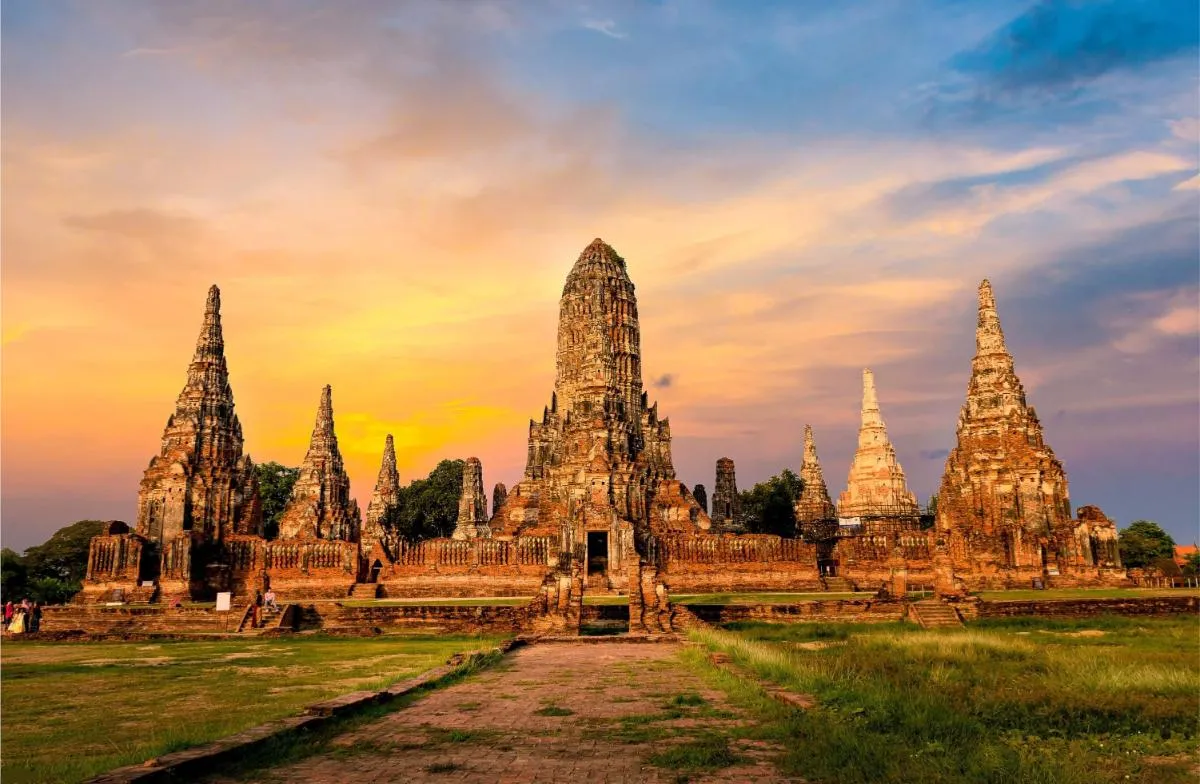
Ayutthaya Historical Park

Bang Pa-In Royal Palace

Wat Mahathat

Wat Ratburana
These destinations are in close proximity to Wat Yai Chai Mongkhon and can be visited on the same trip.
Visit Information
Opening Hours
Entry Fee
Best Time to Visit
November to January
Location
Ayutthaya, Thailand
Contact
For inquiries: N/A
Best Time to Visit
Recommended: November to January
Jan
32°/21°C
peakFeb
33°/22°C
highMar
35°/24°C
highApr
36°/25°C
moderateMay
34°/25°C
lowJun
33°/25°C
lowJul
33°/25°C
lowAug
33°/25°C
lowSep
32°/24°C
lowOct
32°/24°C
moderateNov
31°/23°C
highDec
31°/21°C
peakWat Yai Chai Mongkhon - Frequently Asked Questions
Discover More About Ayutthaya
Top Picks
Also Worth Reading
Plan Your Trip Around Wat Yai Chai Mongkhon
Best Time to Visit Ayutthaya
Thailand Trip Ideas
Compare Wat Yai Chai Mongkhon & Read More
Share this destination:
