 Translate
Si Satchanalai Historical Park
About Si Satchanalai Historical Park
Introduction: The Peaceful Sister City of Sukhothai
Situated on the banks of the Yom River in Sukhothai Province, approximately 55 kilometers north of Sukhothai Old City, Si Satchanalai Historical Park protects the impressive ruins of the spiritual and royal sister city of the ancient Sukhothai Kingdom. Established in 1250, Si Satchanalai was ruled by the crown princes of Sukhothai and served as the secondary administrative center and prestigious spiritual hub of early Siam.
Set against the backdrop of lush forested hills and natural river bends, Si Satchanalai offers a far more peaceful, uncrowded, and untamed atmosphere than Sukhothai. Designated a UNESCO World Heritage Site in 1991 alongside Sukhothai and Kamphaeng Phet, this 45-square-kilometer park preserves towering bell-shaped chedis, laterite elephant sculptures, and ancient ceramics kilns embedded in quiet teak forests.
Architectural Masterpieces & Key Temples
Si Satchanalai's architecture is renowned for its monumental laterite stone construction and Sri Lankan-influenced stupa design:
1. Wat Chang Lom (The Elephant-Encircled Temple)
The undisputed masterpiece of the central walled city, built by King Ramkhamhaeng the Great in 1286. Its imposing central bell-shaped chedi stands atop a high square base supported by 39 full-sized, hand-sculpted laterite elephant figures standing guard around its perimeter.
2. Wat Chedi Seven Thaeo (The Seven Rows of Stupas)
Located opposite Wat Chang Lom, this royal burial compound contains over 33 secondary chedis built in diverse architectural styles—including Sri Lankan bell stupas, Sukhothai lotus-bud spires, and Pagan-style square towers—housing the ashes of Si Satchanalai's royal governors.
3. Wat Phra Si Rattana Mahathat Chaliang
Situated outside the city walls in a loop of the Yom River, this ancient sanctuary predates the Sukhothai era. It features a majestic Ayutthaya-style central laterite prang, a standing walking Buddha, and a fine stone Naga bridge entrance.
4. Wat Khao Phnom Phloeng & Wat Khao Suwan Giri
Perched atop a natural hill inside the city walls, accessible via steep ancient stone stairways. They offer panoramic views over the forest canopy, river bends, and surrounding ruins.
Key Highlights & Attraction Summary
- UNESCO World Heritage Site: Over 140 historical ruins preserved inside teakwood forests and hills.
- Wat Chang Lom Elephants: 39 carved laterite elephants guarding a towering Sri Lankan-style chedi.
- Royal Stupa Diversity at Wat Chedi Seven Thaeo: A royal necropolis featuring 33 chedis showcasing various ancient Asian architectural styles.
- Sangkhalok Kilns (Ban Ko Noi): Hundreds of ancient 14th-century ceramic kilns along the Yom River that produced Siam's famous glazed celadon pottery.
How to Reach Si Satchanalai Historical Park
Si Satchanalai is located in Northern Sukhothai Province along Route 101.
By Bus / Songthaew from Sukhothai
Frequent local buses and songthaews depart from New Sukhothai Bus Station or Old Sukhothai toward Uttaradit / Si Satchanalai (approx. 1-hour drive, costing 40–60 THB). Get off at the park gates in Muang Kao / Chaliang.
By Air via Sukhothai Airport
Sukhothai Airport (THS) is located just 30 km south of Si Satchanalai, served by daily flights from Bangkok (BKK) via Bangkok Airways.
Getting Around the Historical Park
The shaded, quiet park paths are flat and perfect for exploring. Visitors can **rent bicycles** at the main entrance for roughly **50 THB/day** ($1.50 USD) or hire an open-air electric tram.
Best Time to Visit
Weather and photography conditions vary across seasons in Northern Thailand.
Best Season: Cool Dry Season (November to February)
Brings dry, sunny weather with pleasant morning breezes (18°C–30°C). Ideal for cycling beneath the teak forest canopy.
Best Time of Day (Early Morning)
Visit between **08:00 AM and 11:00 AM** to enjoy the quiet forest ruins before midday heat and to photograph morning mist rising through Wat Chang Lom's laterite chedi.
Top Nearby Attractions
1. Sukhothai Historical Park (55 km south)
The primary UNESCO World Heritage capital featuring Wat Mahathat, Wat Sa Si, and the giant Buddha at Wat Si Chum.
2. Celadon Pottery Kilns at Ban Ko Noi (5 km north)
An open-air museum displaying excavated 14th-century brick kilns where Sangkhalok celadon ceramics were produced for export across Asia.
3. Gold Textile Village (Hat Siao) (10 km away)
A famous local village known for hand-woven Tai Puan silk, traditional silver jewelry, and ornate gold embroidery.
Things to Do at Si Satchanalai
- Cycle Through Forested Ruins: Ride along peaceful paved paths surrounding Wat Chang Lom and Wat Chedi Seven Thaeo.
- Climb Hilltop Viewpoints: Walk up the stone stairs to Wat Khao Phnom Phloeng for vistas of the surrounding valley.
- Examine Sangkhalok Ceramic Kilns: Visit Ban Ko Noi to see where ancient Thai celadon pottery was fired.
- Explore Wat Phra Si Rattana Mahathat Chaliang: Cross the suspension bridge over the Yom River to view the laterite prang.
Local Food and Culinary Delights
Si Satchanalai features regional Sukhothai culinary specialties served at local village stalls.
Must-Try Culinary Specialties
- Sukhothai Noodles (Kuay Teow Sukhothai): Sweet-savory rice noodles served with sliced roasted pork, crispy pork skin, chopped green beans, crushed peanuts, and fresh lime.
- Khao Perb (Steamed Rice Noodle Wrap): A regional specialty of steamed rice flour wrappers filled with minced pork and cabbage in clear broth.
- Fresh Local Coconut Water: Cool young coconuts sold at park entrance stalls.
Where to Stay: Accommodation Options
Most visitors visit Si Satchanalai on a day trip from Sukhothai, though local homestays are available.
Boutique & Riverside Stays ($20 – $70 USD / 700 – 2,500 THB per night)
- Si Satchanalai Heritage Resort / Sawasdee Sukhothai / Old City Homestays: Charming, peaceful resorts set amidst tropical gardens and rice fields along the Yom River.
Budget Travel Guide for Si Satchanalai
- Entrance Fee: The foreign adult entrance fee is **100 THB** ($3 USD), plus **10 THB** for a bicycle permit.
- Cheap Transit: Take the local bus from Sukhothai station for under **60 THB** each way.
- Bring Cash: Carry Thai Baht cash for entry tickets, bicycle rental, and village food stalls as ATMs are limited near the ruins.
Sample 1-Day Itinerary
- 08:00 AM: Catch a morning local bus from Sukhothai to Si Satchanalai Historical Park.
- 09:15 AM: Arrive at the main park gate; rent a bicycle and explore **Wat Chang Lom** and its laterite elephants.
- 10:30 AM: Walk across to **Wat Chedi Seven Thaeo** to admire its 33 royal stupas.
- 11:30 AM: Climb the stone staircase to **Wat Khao Phnom Phloeng** for hill views over the forest.
- 01:00 PM: Enjoy a lunch of Sukhothai noodles and fresh fruit smoothie at a village restaurant.
- 02:30 PM: Cycle over to **Wat Phra Si Rattana Mahathat Chaliang** along the Yom River bend.
- 04:30 PM: Catch the afternoon return bus to Sukhothai or Sukhothai Airport.
Essential Rules and Visitor Guidelines
- Respectful Dress Code: Shoulders and knees must be covered when exploring ancient religious monuments.
- Protect Laterite Carvings: Do not climb, sit on, or touch fragile laterite elephant statues or ancient brick chedis.
- Sun & Forest Essentials: Carry mosquito repellent, a hat, sunscreen, and plenty of drinking water while cycling.
Frequently Asked Questions (FAQs)
1. Where is Si Satchanalai Historical Park located?
Si Satchanalai Historical Park is located in Si Satchanalai District, Sukhothai Province, Northern Thailand, about 55 km north of Sukhothai Old City.
2. What is the difference between Sukhothai and Si Satchanalai?
Sukhothai was the main royal capital, while Si Satchanalai was its spiritual sister city. Si Satchanalai is less crowded, set in dense teak forest, and features impressive laterite elephant chedis.
3. How do you get to Si Satchanalai from Sukhothai?
Take a 1-hour local bus or songthaew from Sukhothai Bus Station toward Uttaradit (approx. 40–60 THB).
4. How much is the entrance fee for Si Satchanalai?
The entry fee is **100 THB for foreign adults**, plus a 10 THB bicycle fee.
5. What is Wat Chang Lom famous for?
It is famous for its towering bell-shaped chedi guarded by **39 full-sized laterite elephant sculptures** at its base.
6. How do you explore the park?
Renting a bicycle (50 THB/day) at the entrance is the most popular, efficient, and enjoyable way to explore the flat, tree-shaded grounds.
7. Are there ceramic kilns nearby?
Yes, the Ban Ko Noi Kiln Center (5 km north) features excavated 14th-century kilns that produced famous Sangkhalok celadon ceramics.
8. Is a dress code enforced?
Yes, modest dress covering shoulders and knees is required at all ancient temple ruins.
9. What local food should I try?
Try authentic **Sukhothai Noodles** (Kuay Teow Sukhothai) with roasted pork, green beans, peanuts, and lime.
10. What is the best season to visit Si Satchanalai?
The cool dry season from **November to February** offers optimal sunny weather and pleasant temperatures for outdoor cycling.
Conclusion
Si Satchanalai Historical Park stands as one of Thailand's most tranquil UNESCO World Heritage treasures, where 13th-century laterite elephant chedis, royal stupas, forested hill views, and rich celadon ceramic traditions converge along the Yom River. From cycling through quiet teak forests and photographing Wat Chang Lom to exploring ancient pottery kilns and tasting Sukhothai noodles, Si Satchanalai delivers an unmissable heritage journey. Plan your trip, rent a bicycle, and discover Si Satchanalai Historical Park!
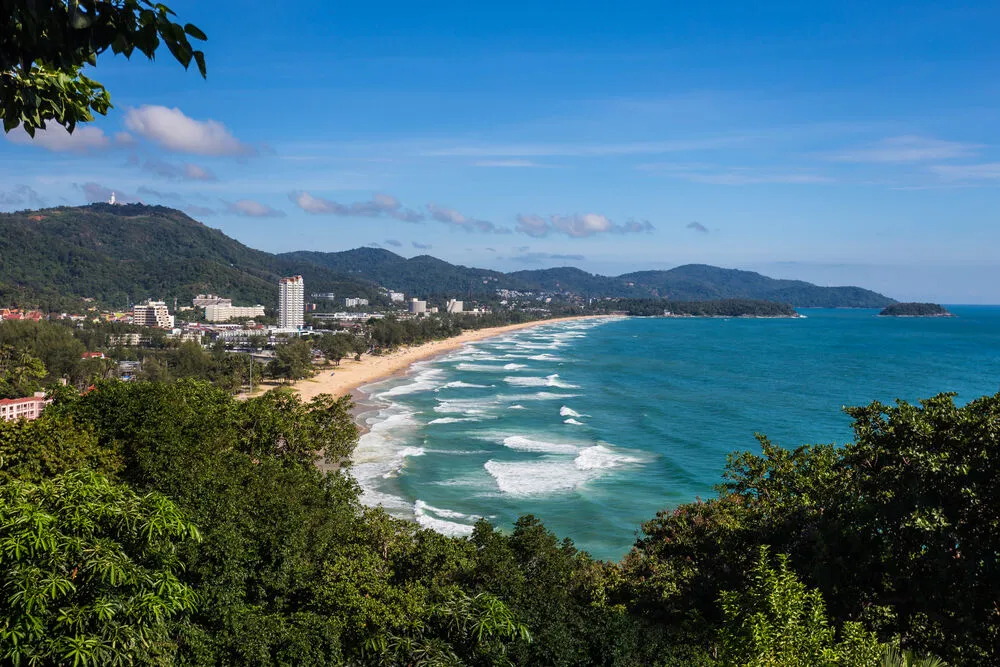
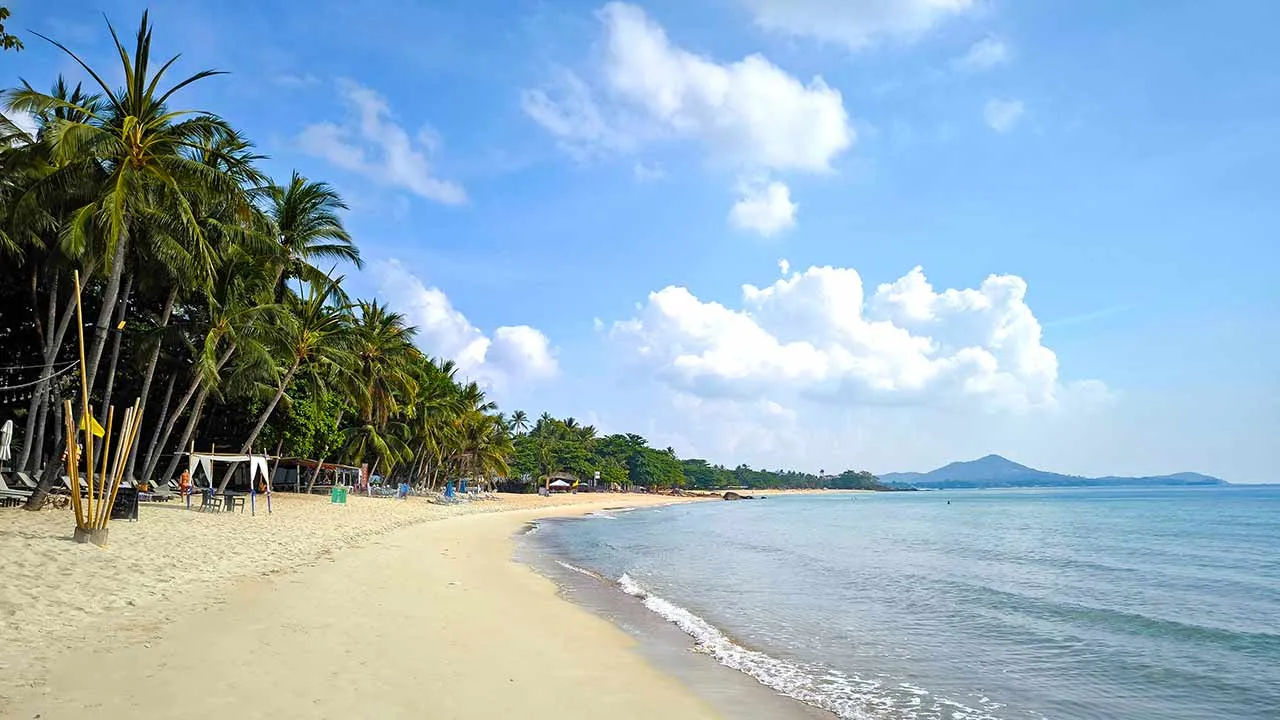
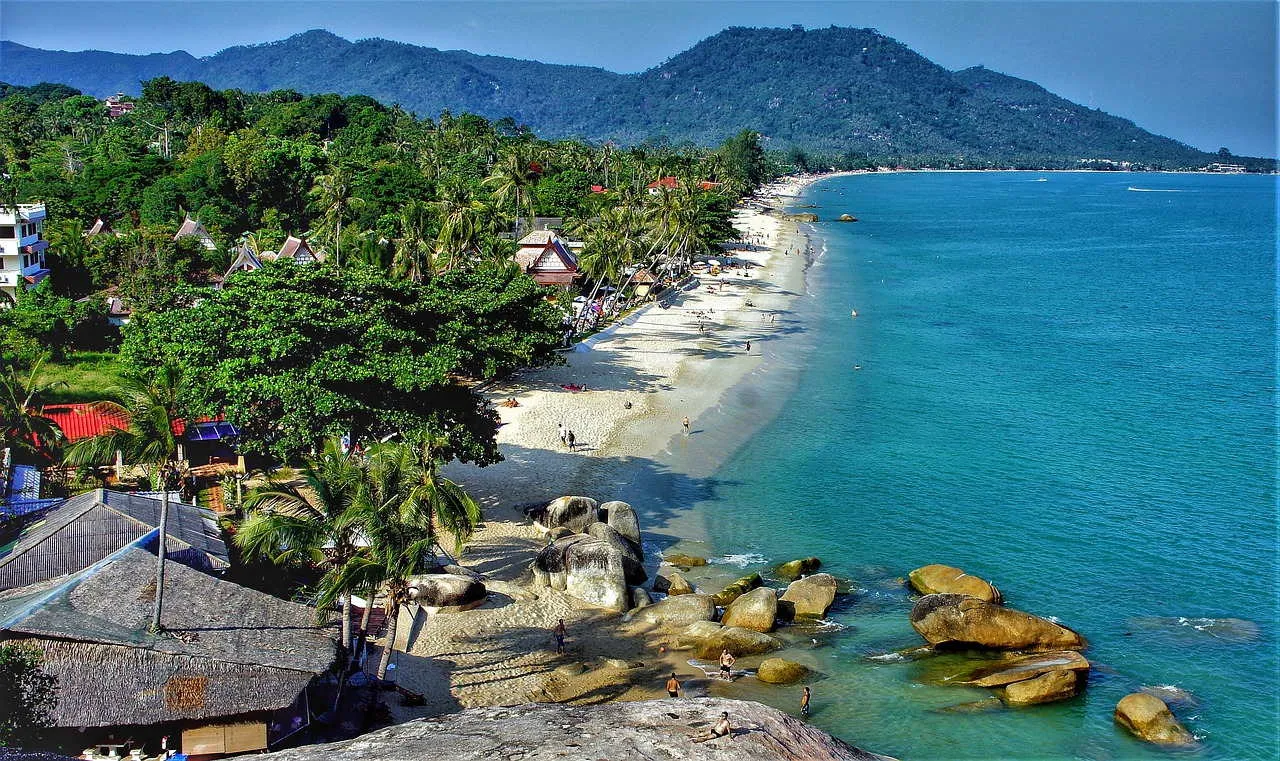
Photo Gallery
What you'll experience
- 1
Cycling through ancient sites
- 2
Exploring old temples
- 3
Nature photography
- 4
Learning early Thai history
Visit Information
Opening Hours
Entry Fee
Best Time to Visit
November to February
Location
Sukhothai Province, Thailand
Contact
For inquiries: N/A
Best Time to Visit
Recommended: November to February
Jan
32°/21°C
peakFeb
33°/22°C
highMar
35°/24°C
highApr
36°/25°C
moderateMay
34°/25°C
lowJun
33°/25°C
lowJul
33°/25°C
lowAug
33°/25°C
lowSep
32°/24°C
lowOct
32°/24°C
moderateNov
31°/23°C
highDec
31°/21°C
peakSi Satchanalai Historical Park - Frequently Asked Questions
Discover More About Sukhothai
Top Picks
Also Worth Reading
Plan Your Trip Around Si Satchanalai Historical Park
Best Time to Visit Sukhothai
Thailand Trip Ideas
Eat & Celebrate in Sukhothai
Compare Si Satchanalai Historical Park & Read More
Share this destination:
