 Translate
Phimai Historical Park
About Phimai Historical Park
Introduction: The Grand Angkorian Sanctuary of Isan
Located in Phimai District, approximately 60 kilometers northeast of Nakhon Ratchasima (Korat) city, Phimai Historical Park protects one of the most magnificent, significant, and best-preserved Khmer temples in Thailand. Built between the 11th and 12th centuries during the height of the Khmer Empire under King Jayavarman VI and King Jayavarman VII, Prasat Hin Phimai served as a major spiritual and administrative center connected directly to Angkor (in modern-day Cambodia) via the ancient 225-kilometer Ancient Khmer Highway.
Surrounded by a rectangular moat fed by the Mun River, Phimai is unique among Khmer sanctuaries for its orientation toward the south (facing Angkor) rather than the traditional east, and for its primary dedication to **Mahayana Buddhism** with Hindu syncretic elements. Covered in exquisite sandstone and laterite carvings, Phimai's central sanctuary served as an architectural blueprint for the construction of Angkor Wat.
Architectural Masterpieces & Key Structures
Phimai's stone architecture represents the pinnacle of classical Khmer design, featuring intricate carvings and multi-layered enclosures:
1. The Naga Bridge & Outer Gopuras
Visitors approach the temple across a ceremonial cruciform **Naga Bridge** guarded by mythic multi-headed cobras (Nagas), symbolizing the crossing from the earthly realm into the sacred celestial world of the gods. Beyond the bridge lie massive laterite boundary walls and outer entry gates (*Gopuras*).
2. The Central White Sandstone Prang
The heart of the complex is the magnificent 28-meter-high white sandstone central tower (*Prang*), constructed without mortar using precision interlocking stone blocks. Its lintels and pediments feature remarkably detailed relief carvings depicting scenes from the Ramayana (Ramakien), the Buddha's life, and tantric Mahayana deities.
3. Prang Brahmadat & King Jayavarman VII Statue
Located to the right of the central tower, this red sandstone tower houses a replica of the famous seated stone statue of King Jayavarman VII in a meditative posture (the original masterwork is preserved in the nearby Phimai National Museum).
4. Prang Hin Daeng (Red Sandstone Tower)
A secondary tower built from reddish sandstone, originally housing Hindu Shivaite symbols (*Lingam* and *Yoni*), illustrating the harmonious blend of Buddhism and Hinduism in ancient Khmer royal culture.
Key Highlights & Attraction Summary
- Angkor Wat Precursor: The architectural template and layout that directly inspired Angkor Wat.
- Unique Southward Alignment: Intentionally built facing south toward Angkor along the Ancient Khmer Highway.
- Exquisite Sandstone Lintels: Perfectly preserved stone relief carvings of Buddha and Ramayana legends.
- Phimai National Museum Proximity: Houses world-class Angkorian stone sculptures, lintels, and royal artifacts excavated from the park.
How to Reach Phimai Historical Park
Phimai is located in Nakhon Ratchasima Province in Isan (Northeastern Thailand).
By Bus / Minivan from Nakhon Ratchasima (Korat)
Frequent local buses and minivans depart from Nakhon Ratchasima Bus Terminal 2 (Korat) directly to Phimai District Bus Station (approx. 1-hour drive, costing 40–60 THB). The historical park entrance is a 5-minute walk from Phimai bus station.
By Air or Train to Korat
Fly or take a Northern Isan Line train from Bangkok's **Krung Thep Aphiwat Central Terminal** to **Nakhon Ratchasima Railway Station** (approx. 4 to 5 hours). From Korat station, take a local songthaew to Bus Terminal 2 for the Phimai bus.
By Private Car / Taxi
Driving via Highway 2 (Mittraphap Road) and Highway 206 from Korat city takes about 50 to 60 minutes, or roughly 3.5 to 4 hours from central Bangkok.
Best Time to Visit
Weather conditions and light for photography vary throughout the day and year.
Best Season: Cool Dry Season (November to February)
Brings dry, sunny skies and comfortable temperatures (20°C–30°C). Perfect for exploring open stone courtyards and manicured lawns.
Best Time of Day (Early Morning or Late Afternoon)
Visit between **08:30 AM and 10:30 AM** to explore before afternoon heat, or visit after **03:30 PM** to capture golden sunlight illuminating the white sandstone central tower.
Top Nearby Attractions
1. Phimai National Museum (1 km away)
A world-class archaeological museum housing original stone statues, carved door lintels, ancient pottery, and the famous stone portrait statue of King Jayavarman VII.
2. Sai Ngam (2 km away)
Thailand's largest and oldest banyan tree grove, forming a massive 350-year-old canopy of interconnected roots and shaded walkways over a peaceful island lake.
3. Phanom Rung Historical Park (130 km southeast)
Buriram's famous Khmer sanctuary set atop an extinct volcano, forming a key stop along Isan's Khmer Heritage Trail.
Things to Do at Phimai Historical Park
- Cross the Naga Bridge: Walk across the ceremonial stone bridge representing the passage into the realm of the gods.
- Examine Sandstone Lintels: Study the detailed carvings above inner stone doorways depicting Buddha's teachings and Ramayana scenes.
- Visit Phimai National Museum: View original Angkorian masterworks and sacred bronze statues excavated from the region.
- Explore Sai Ngam Banyan Grove: Stroll under the massive ancient banyan tree canopy and enjoy local Isan street food nearby.
Local Food and Culinary Delights
Phimai and Nakhon Ratchasima are renowned across Thailand for distinct Isan regional culinary specialties.
Must-Try Culinary Specialties
- Pad Korat (Stir-Fried Korat Noodles): Korat's signature dish—chewy rice noodles stir-fried in a rich, sweet-savory garlic, chili, and palm sugar sauce served with bean sprouts.
- Isan Som Tum & Kai Yang: Spicy green papaya salad paired with charcoal-grilled marinated chicken and sticky rice.
- Sai Krok Isan (Isan Fermented Pork Sausage): Grilled sour pork and rice sausages served with fresh ginger, cabbage leaves, and fresh green chilies.
- Sai Ngam Noodle Stalls: Local noodle shops near the banyan grove serving *Pad Korat* and traditional braised chicken noodles.
Where to Stay: Accommodation Options
Phimai town offers cozy, affordable boutique hotels and guesthouses within walking distance of the ruins.
Boutique & Budget Hotels ($20 – $50 USD / 700 – 1,800 THB per night)
- Phimai Paradise Hotel / Benya Guest House / Moon River Resort: Clean, comfortable local hotels featuring air conditioning, Wi-Fi, garden views, and easy access to the historical park.
Budget Travel Guide for Phimai
- Admission Ticket Rates: Official entrance fee is **100 THB foreign adult** (free for Thai nationals).
- Cheap Local Bus: Taking the local bus from Korat Bus Terminal 2 costs under **60 THB** ($1.80 USD) each way.
- Walkable Town: Phimai town is compact and flat—you can easily walk between the historical park, night market, and Phimai National Museum without taxi expenses.
Sample 1-Day Itinerary
- 08:00 AM: Take the local bus from Korat Bus Terminal 2 to Phimai District (1 hour).
- 09:15 AM: Arrive in Phimai; walk 5 minutes to **Phimai Historical Park**.
- 09:30 AM: Cross the Naga Bridge and explore the central white sandstone prang, lintel carvings, and inner stone courtyards.
- 11:30 AM: Walk 10 minutes to **Phimai National Museum** to see the original King Jayavarman VII statue and Angkor artifacts.
- 01:00 PM: Enjoy a lunch of authentic **Pad Korat** and fresh coconut water at a local restaurant near the museum.
- 02:30 PM: Take a short songthaew ride to **Sai Ngam** to stroll under Thailand's largest banyan tree grove.
- 04:30 PM: Return to Phimai town for the evening local market before taking the bus back to Korat or Bangkok.
Essential Rules and Visitor Guidelines
- Respectful Dress Code: Modest clothing covering shoulders and knees is required when exploring ancient religious sanctuaries.
- Preserve Stone Carvings: Do not touch, lean on, or climb delicate sandstone carvings, lintels, or ruined laterite walls.
- Sun Protection: The open stone courtyards offer limited shade—carry an umbrella, sun hat, sunglasses, and plenty of drinking water.
- Museum Photography: Photography is allowed inside Phra Prasat and the museum, but flash photography is restricted near sensitive ancient stone displays.
Frequently Asked Questions (FAQs)
1. Where is Phimai Historical Park located?
Phimai Historical Park is located in Phimai District, Nakhon Ratchasima (Korat) Province, Isan, Northeastern Thailand, about 60 km northeast of Korat city.
2. Why is Phimai Historical Park famous?
It is famous as Thailand's grandest Khmer stone sanctuary, built between the 11th and 12th centuries, serving as an architectural prototype for Cambodia's Angkor Wat.
3. How do you get to Phimai from Nakhon Ratchasima (Korat)?
Take a 1-hour local bus or minivan from Korat Bus Terminal 2 directly to Phimai town (40–60 THB).
4. How much is the entrance fee for Phimai Historical Park?
The admission ticket is **100 THB for foreign adults**.
5. Why does Phimai face south instead of east?
Unlike most Khmer temples that face east toward the rising sun, Phimai faces south directly toward Angkor, the imperial capital of the Khmer Empire along the Ancient Khmer Highway.
6. What is Sai Ngam?
Sai Ngam is a famous 350-year-old banyan tree grove located 2 km from Phimai park, forming Thailand's largest interconnected banyan tree canopy.
7. What local food is Phimai famous for?
**Pad Korat** (Korat-style stir-fried rice noodles), Isan papaya salad (*Som Tum*), grilled chicken (*Kai Yang*), and Isan pork sausages.
8. Is a dress code enforced at Phimai?
Yes, respectful clothing covering shoulders and knees is required as it remains a revered historical and religious site.
9. How long should you spend at Phimai Historical Park?
Plan for **1.5 to 2.5 hours** to explore the stone towers, courtyards, and lintels, plus another 1 hour for the nearby Phimai National Museum.
10. What is the best season to visit Phimai?
The cool dry season from **November to February** offers comfortable sunny weather for outdoor sightseeing.
Conclusion
Phimai Historical Park stands as Thailand's ultimate Angkorian treasure, where 11th-century white sandstone prangs, ceremonial Naga Bridges, exquisite Ramayana lintel carvings, and rich Isan culinary traditions like Pad Korat converge in Nakhon Ratchasima. From crossing the stone bridge into the inner sanctuary andStudying Jayavarman VII statues at Phimai National Museum to exploring the massive Sai Ngam banyan canopy, Phimai delivers an unmissable historical journey. Plan your trip, hop on the Korat bus, and discover Phimai Historical Park!
Photo Gallery
What you'll experience
- 1
Exploring Khmer ruins
- 2
Learning ancient history
- 3
Photography of stone carvings
- 4
Walking through ancient corridors
Nearby Destinations
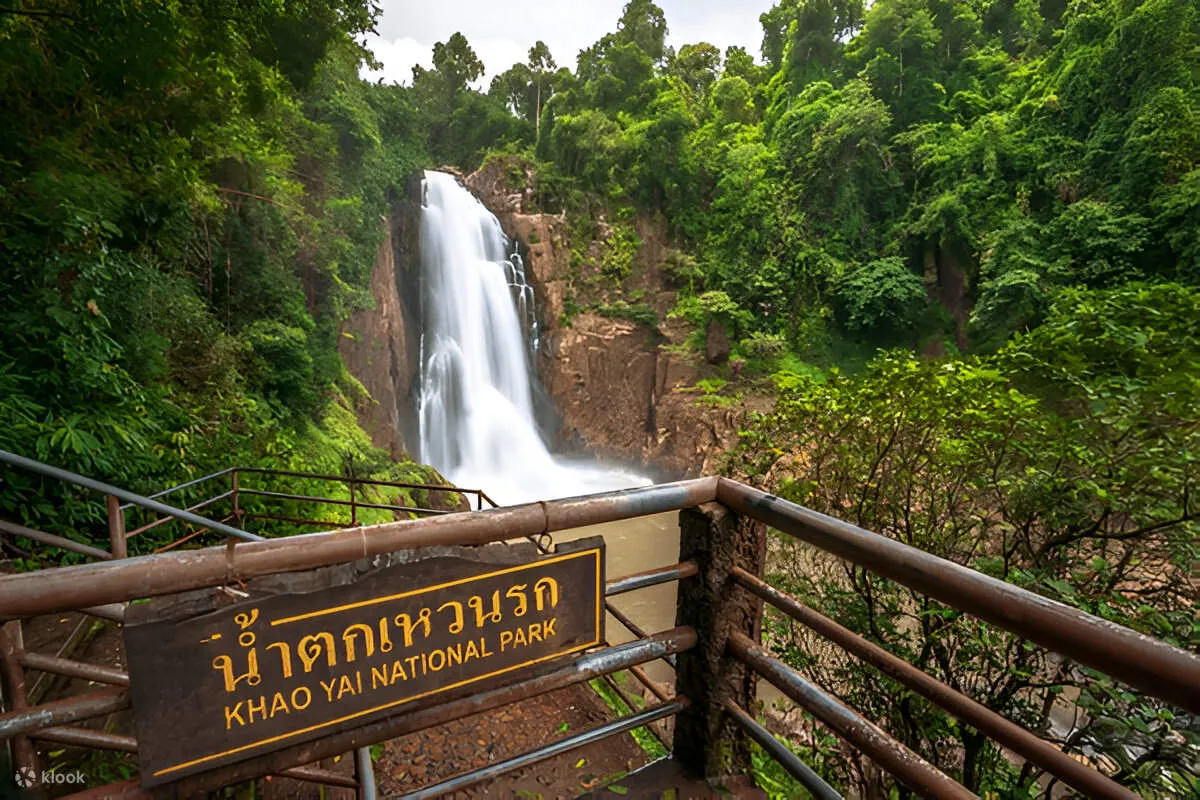
These destinations are in close proximity to Phimai Historical Park and can be visited on the same trip.
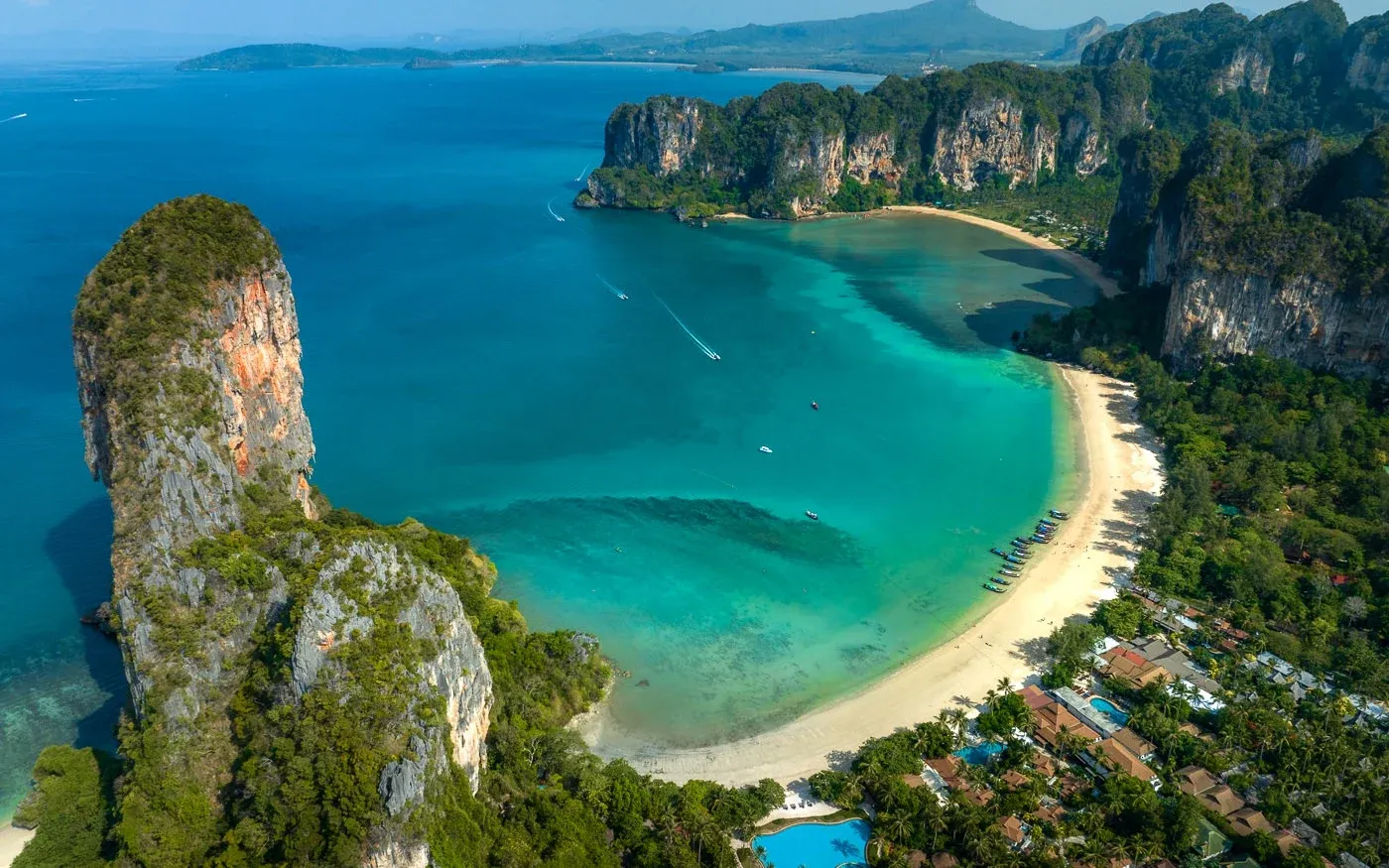
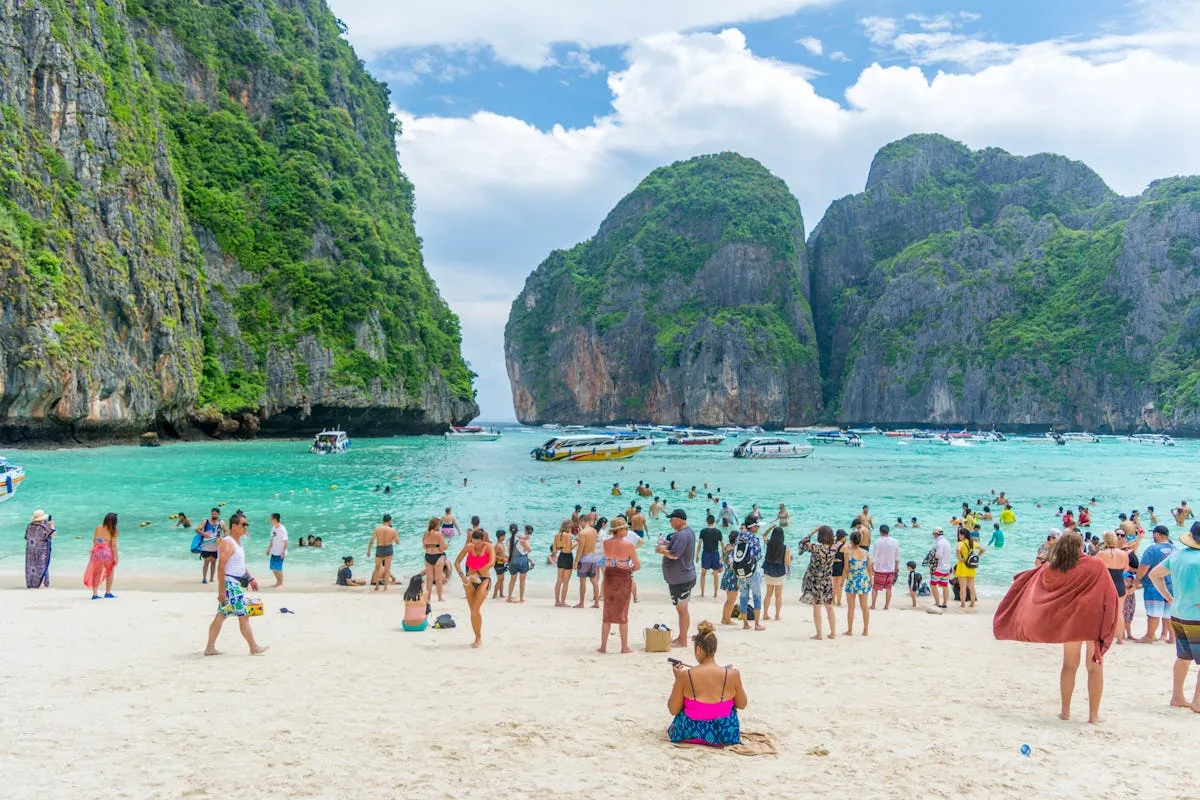
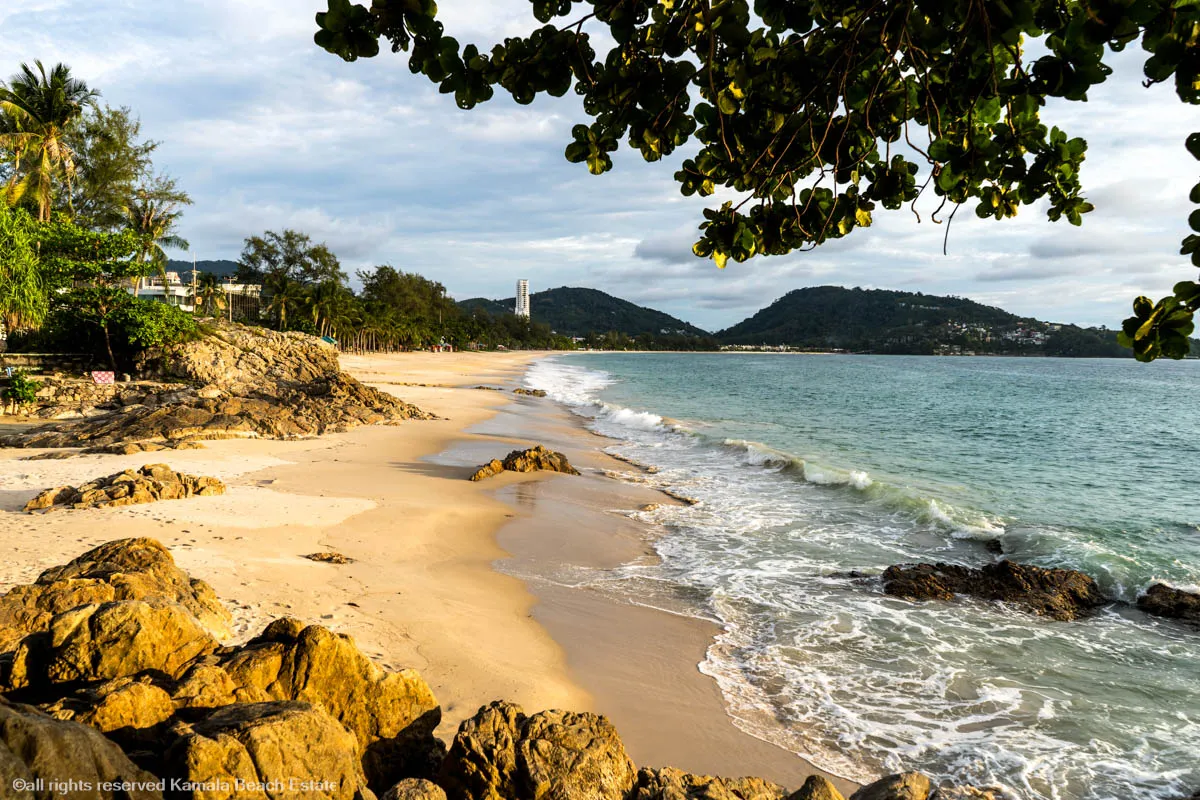
Visit Information
Opening Hours
Entry Fee
Best Time to Visit
November to February
Location
Nakhon Ratchasima, Thailand
Contact
For inquiries: N/A
Best Time to Visit
Recommended: November to February
Jan
32°/21°C
peakFeb
33°/22°C
highMar
35°/24°C
highApr
36°/25°C
moderateMay
34°/25°C
lowJun
33°/25°C
lowJul
33°/25°C
lowAug
33°/25°C
lowSep
32°/24°C
lowOct
32°/24°C
moderateNov
31°/23°C
highDec
31°/21°C
peakPhimai Historical Park - Frequently Asked Questions
Plan Your Visit to Phimai Historical Park
Discover More About Thailand
Plan Your Trip Around Phimai Historical Park
Thailand Trip Ideas
Compare Phimai Historical Park & Read More
Share this destination:
