 Translate
Chiang Rai
About Chiang Rai
Introduction: The Artistic Capital of the Golden Triangle
Situated along the banks of the Kok River in Thailand's northernmost province, approximately 180 kilometers (a 3-hour drive) northeast of Chiang Mai, Chiang Rai is a tranquil, culturally rich city famous for its extraordinary avant-garde art temples, dramatic mountain landscapes, and proximity to the historic Golden Triangle border. Founded in 1262 by King Mangrai as the first capital of the Lanna Kingdom, Chiang Rai serves as the gateway to northern hill-tribe communities, tea plantations, and contemporary Thai fine art.
Unlike its bustling neighbor Chiang Mai, Chiang Rai offers a laid-back, artistically driven experience defined by the visionary masterworks of world-renowned artists like Chalermchai Kositpipat and Thawan Duchanee.
Key Attractions & Architectural Highlights
Chiang Rai features iconic contemporary art temples, dark museums, and hilltop monuments:
1. Wat Rong Khun (White Temple)
Conceived and built by master artist Chalermchai Kositpipat, this all-white contemporary masterpiece is inlaid with mirrored glass fragments symbolizing the purity of the Buddha. Visitors cross the symbolic Bridge of the Cycle of Rebirth over a pit of reaching hands to view surreal pop-culture interior murals.
2. Wat Rong Suea Ten (Blue Temple)
Designed by Putha Kabkaew, a student of Chalermchai Kositpipat, the Blue Temple features vibrant sapphire-blue architecture adorned with elaborate gold-leaf filigree, fierce Naga entrance serpents, and a breathtaking 6.5-meter white seated Buddha statue.
3. Baan Dam Museum (Black House)
The lifelong dark creation of National Artist Thawan Duchanee. A sprawling compound of roughly 40 dark timber structures blending Lanna architecture with avant-garde collections of animal horns, bones, and skins exploring themes of mortality and human nature.
4. Wat Huay Pla Kang (Big Buddha of Chiang Rai)
A hilltop sanctuary featuring a colossal 79-meter white statue of Guanyin (Goddess of Mercy) with an internal elevator rising 23 stories to forehead viewpoints, flanked by a 9-tier dragon pagoda.
Key Highlights & Attraction Summary
- Wat Rong Khun (White Temple): All-white mirror glass masterpiece exploring Buddhist cosmology.
- Wat Rong Suea Ten (Blue Temple): Sapphire-blue and gold temple with a luminous white Buddha.
- Baan Dam Museum (Black House): Surreal compound of 40 dark timber structures and horn artwork.
- Golden Triangle Gateway: Historic border point where Thailand, Laos, and Myanmar meet along the Mekong.
How to Get Around Chiang Rai
Navigating the city and surrounding art circuit is convenient using local transit and ride-hailing services.
By Grab, Tuk-Tuk, or Scooter Rental
Ride-hailing apps like Grab and Bolt provide inexpensive, fixed-rate car and motorbike transit. Tuk-tuks line up near the Night Bazaar, while renting a scooter offers flexible travel along the temple circuit.
By Local Bus & Songthaew
Blue public buses depart regularly from **Chiang Rai Bus Terminal 1** (near the Night Bazaar) to the White Temple (**20 THB**), while northbound songthaews head toward Baan Dam Museum.
Best Time to Visit
Seasonal weather and mountain climates govern the ideal travel experience.
Cool & Dry Season (November to February)
The absolute best time to visit! Temperatures are crisp and pleasant (12°C–28°C), skies are clear for mountain viewpoints, and blooming gardens like Mae Fah Luang at Doi Tung are in full display.
Green Season (July to October)
Features lush green rice terraces, powerful waterfall flows, and peaceful atmosphere with fewer tourists.
Top Nearby Destinations
1. The Golden Triangle (Sob Ruak) (60 km north)
The famous historical confluence where the Ruak and Mekong Rivers meet, forming the tri-border point between Thailand, Laos, and Myanmar.
2. Doi Tung Royal Villa & Mae Fah Luang Garden (50 km north)
A scenic mountain palace featuring Swiss chalet architecture, landscaped temperate flower gardens, and local hill-tribe coffee projects.
3. Choui Fong Tea Plantation (40 km north)
Sweeping terraced green tea fields offering scenic modern cafes, fresh tea tastings, and matcha desserts.
Things to Do in Chiang Rai
- Complete the Art Temple Circuit: Tour the White Temple, Blue Temple, and Black House in a single day.
- Savor Blue Coconut Ice Cream: Enjoy signature butterfly pea coconut ice cream in fresh coconut shells at the Blue Temple.
- Explore the Chiang Rai Night Bazaar: Sample northern street food and watch traditional Lanna dance performances.
- Visit Singha Park: Cycle through tea fields, visit flower gardens, and photograph the giant golden lion statue.
Local Food and Culinary Options
Chiang Rai is celebrated for authentic Northern Thai (Lanna) flavors and fresh mountain produce.
Must-Try Culinary Specialties
- Khao Soi Chiang Rai: Rich coconut curry noodles served with chicken or beef, pickled mustard greens, and crispy egg noodles.
- Sai Oua & Nam Prik Noom: Aromatic grilled herbal pork sausage paired with roasted green chili dip and sticky rice.
Where to Stay: Accommodation Options
Visitors typically stay in central Chiang Rai city, near the Night Bazaar, or along the Kok River.
Chiang Rai Hotels & Resorts ($20 – $180 USD / 700 – 6,000 THB per night)
- The Riverie by Katathani / Le Méridien Chiang Rai Resort / Mora Boutique Hotel / Doowall Hotel: Luxury riverside resorts, stylish city boutique hotels, and art-focused properties near the White Temple.
Budget Travel Guide & Admission Fees
- Temple Admission Fees: White Temple (**200 THB**), Black House (**80 THB**), and Guanyin Elevator (**40 THB**). The Blue Temple is **FREE**.
- Affordable Dining: Hearty bowls of *Khao Soi* and street market snacks cost between **40 to 80 THB**.
- Public Transit: Local buses from Bus Terminal 1 to the White Temple cost only **20 THB** each way.
Sample 2-Day Itinerary
- Day 1 - 08:00 AM: Visit **Wat Rong Khun (White Temple)** before tour crowds arrive; then tour **Baan Dam Museum (Black House)**.
- Day 1 - 01:30 PM: Explore **Wat Rong Suea Ten (Blue Temple)** and enjoy butterfly pea blue ice cream.
- Day 1 - 06:00 PM: Dine at the **Chiang Rai Night Bazaar** and watch traditional Lanna music.
- Day 2 - 08:30 AM: Drive north to **Choui Fong Tea Plantation** for tea tasting overlooking terraced green hills.
- Day 2 - 01:00 PM: Visit **Wat Huay Pla Kang** to ride the 23-story elevator inside the giant white Guanyin statue.
Essential Rules and Visitor Guidelines
- Strict Modest Dress Code: Shoulders, chest, and knees must be fully covered when entering sacred temples.
- No Indoor Photography at White Temple: Photography is strictly prohibited inside the main assembly hall of Wat Rong Khun.
- Cash Required at Ticket Gates: Carry Thai Baht cash notes for ticket counters at the White Temple and Black House.
Frequently Asked Questions (FAQs)
1. Where is Chiang Rai located?
It is located in northernmost Thailand along the Kok River, about 180 km northeast of Chiang Mai.
2. What are the three famous color-themed art sites?
The **White Temple (Wat Rong Khun)**, **Blue Temple (Wat Rong Suea Ten)**, and **Black House (Baan Dam Museum)**.
3. How do you get from Chiang Mai to Chiang Rai?
By a 3 to 3.5-hour drive via Greenbus public coaches, private driver, or organized day tours via Route 118.
4. What is the Golden Triangle?
The historic border area 60 km north of Chiang Rai where Thailand, Laos, and Myanmar meet along the Mekong River.
5. Is the Blue Temple free to enter?
Yes, admission to Wat Rong Suea Ten (Blue Temple) is completely **FREE**.
6. How much is the White Temple entrance fee?
Foreign adult admission is **200 THB** per person.
7. What is the dress code for temples?
Modest attire—shoulders and knees must be completely covered.
8. How do you fly to Chiang Rai?
Via **Mae Fah Luang - Chiang Rai International Airport (CEI)**, located 10 minutes from the city center.
9. What is the signature local dish?
Khao Soi, a rich coconut curry noodle soup served with chicken or beef and crispy egg noodles.
10. How many days should you spend in Chiang Rai?
A minimum of **2 to 3 days** is recommended to explore the city, art temples, tea plantations, and Golden Triangle.
Conclusion
Chiang Rai stands out as Thailand's ultimate artistic and northern frontier landmark, where world-famous white mirror temples, sapphire-blue assembly halls, dark timber museums, terraced tea plantations, and rich Lanna heritage converge. From crossing the Bridge of Rebirth at Wat Rong Khun and enjoying blue coconut ice cream to exploring the Golden Triangle and tasting local Khao Soi, Chiang Rai delivers an unmissable cultural journey. Dress modestly, explore the art circuit, and discover Chiang Rai Thailand!
Photo Gallery
What you'll experience
- 1
White Temple
- 2
Blue Temple
- 3
Golden Triangle
- 4
Hill tribe visits
- 5
Tea plantations
Nearby Destinations

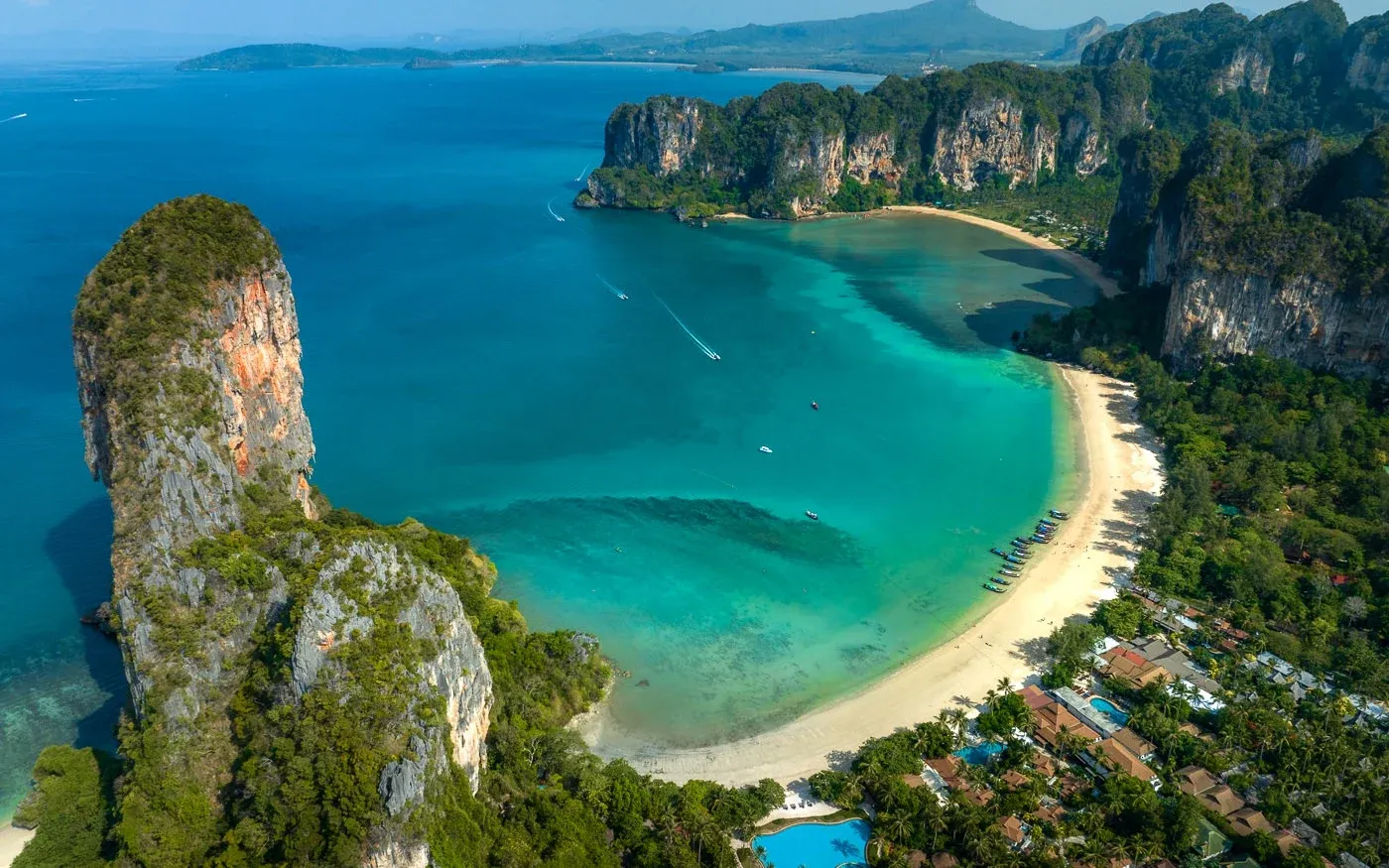
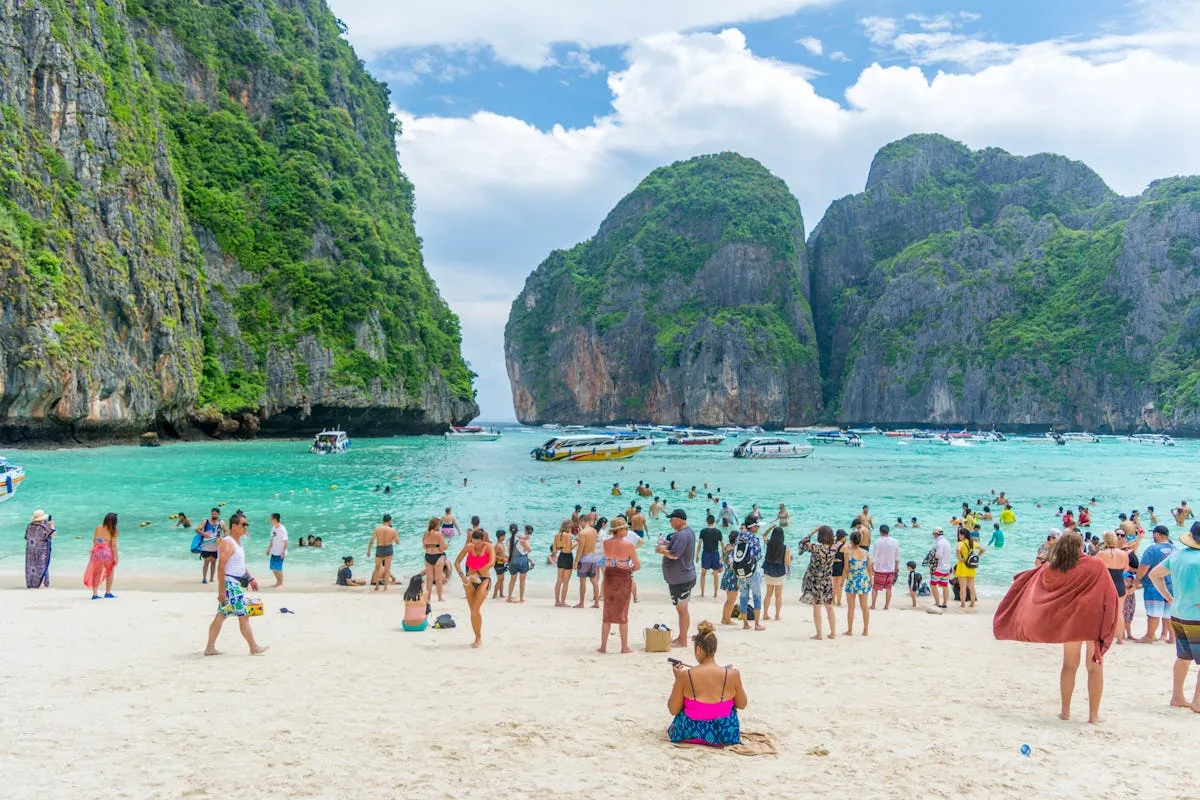
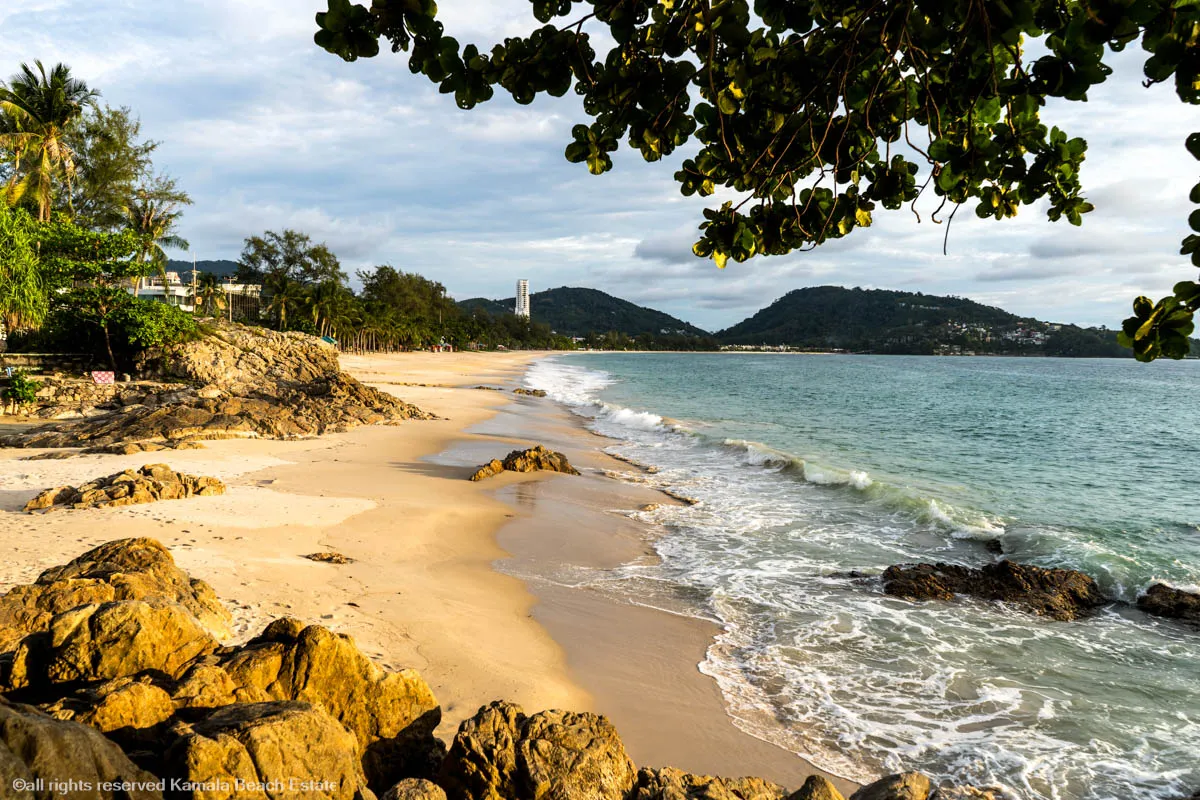
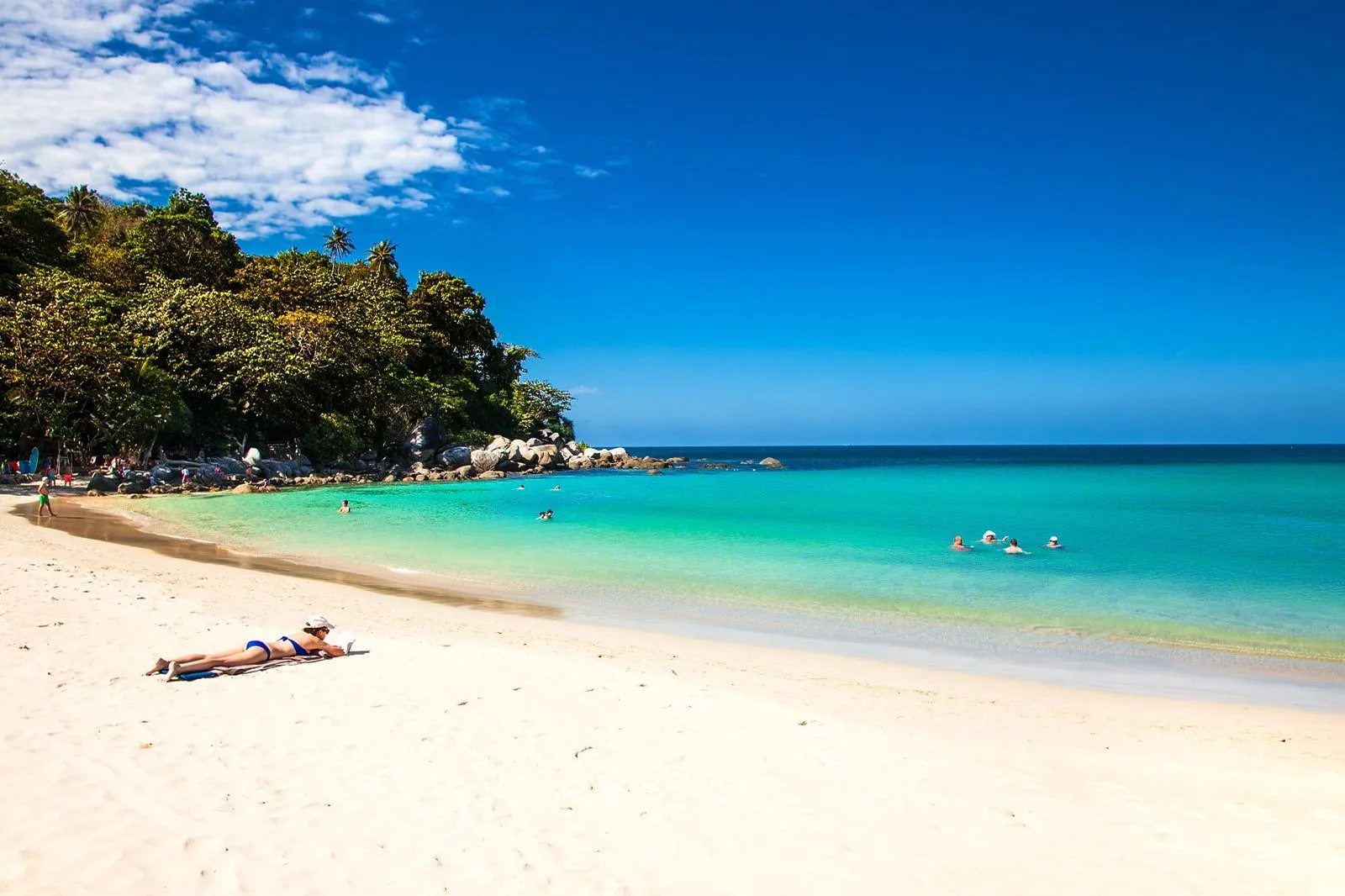
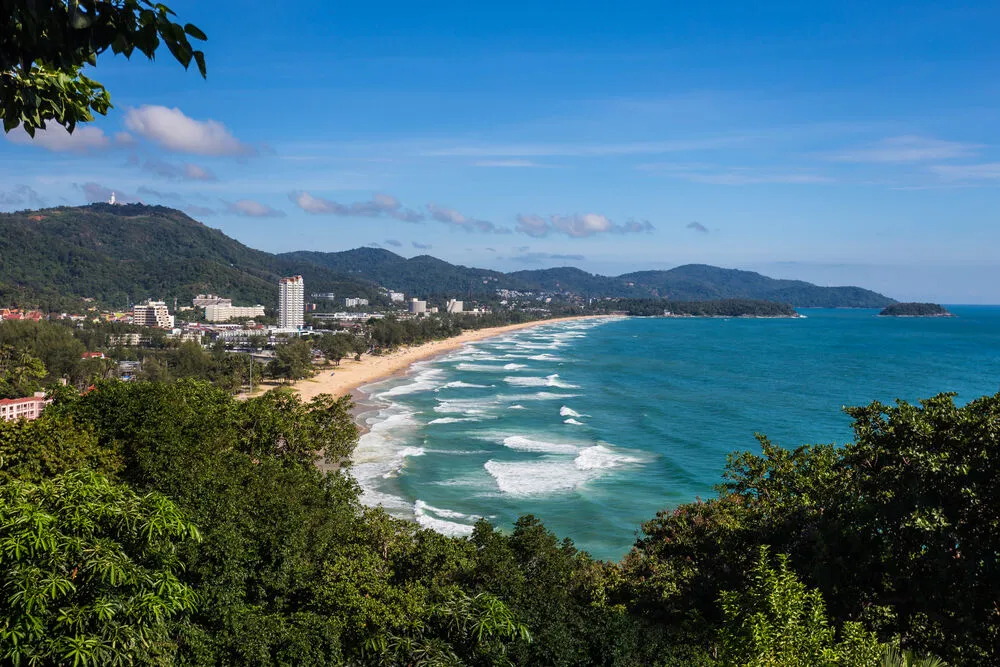
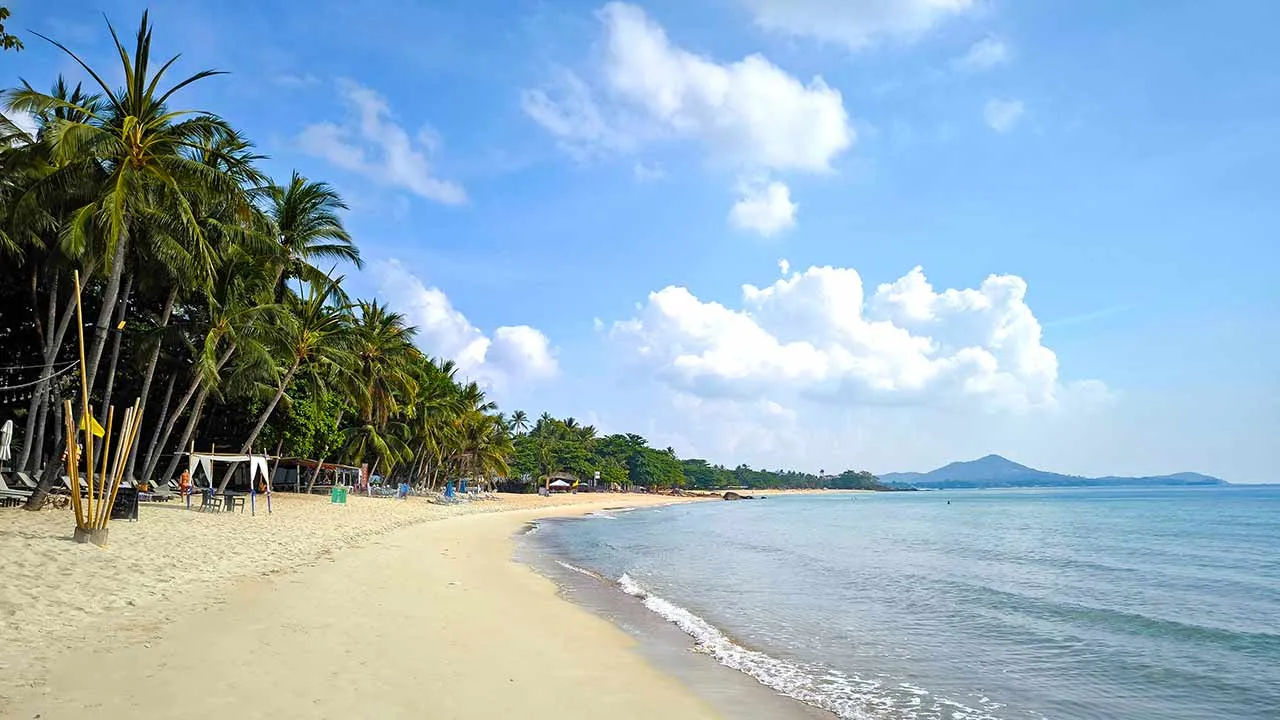
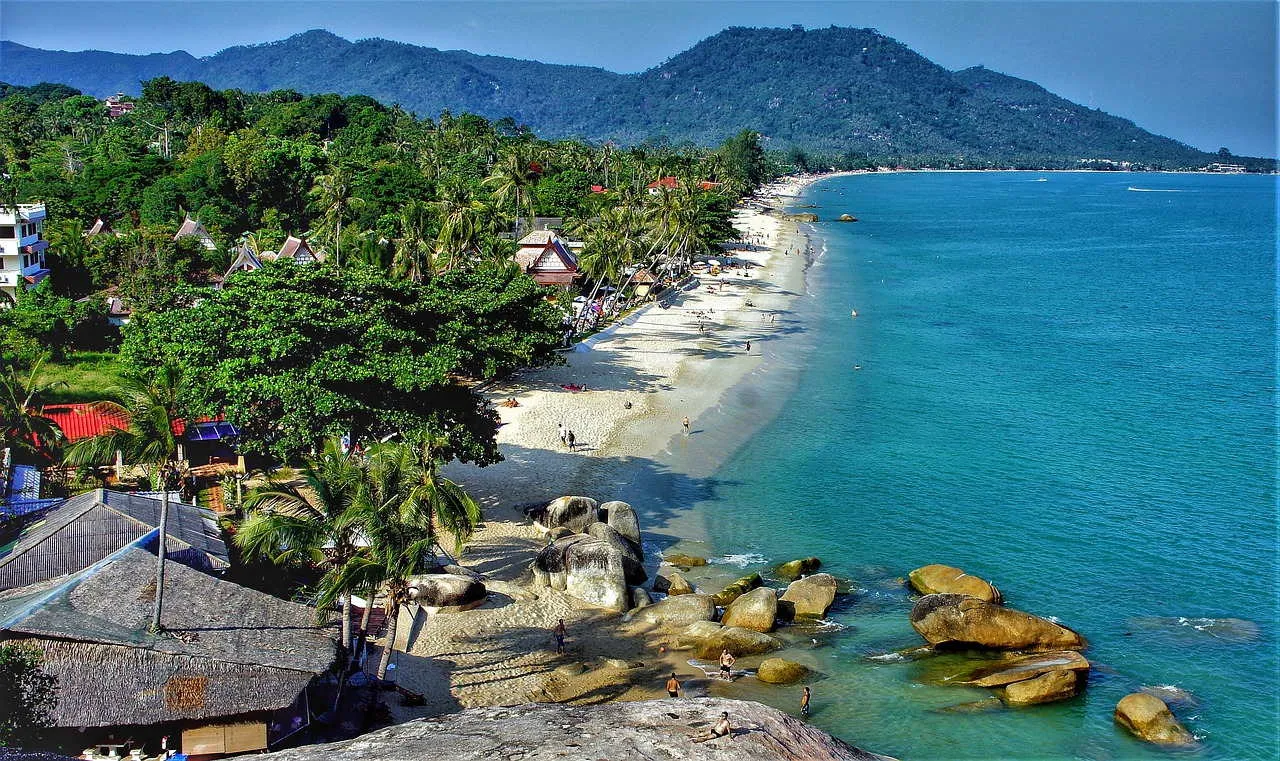
These destinations are in close proximity to Chiang Rai and can be visited on the same trip.
Visit Information
Opening Hours
Entry Fee
Best Time to Visit
November to February
Location
Northern Thailand
Contact
For inquiries: +91 44-2345-6789
Best Time to Visit
Recommended: November to February
Jan
32°/21°C
peakFeb
33°/22°C
highMar
35°/24°C
highApr
36°/25°C
moderateMay
34°/25°C
lowJun
33°/25°C
lowJul
33°/25°C
lowAug
33°/25°C
lowSep
32°/24°C
lowOct
32°/24°C
moderateNov
31°/23°C
highDec
31°/21°C
peakChiang Rai - Frequently Asked Questions
Plan Your Visit to Chiang Rai
More cities Spots & Nearby Attractions
Discover More About Thailand
Plan Your Trip Around Chiang Rai
Share this destination:
